

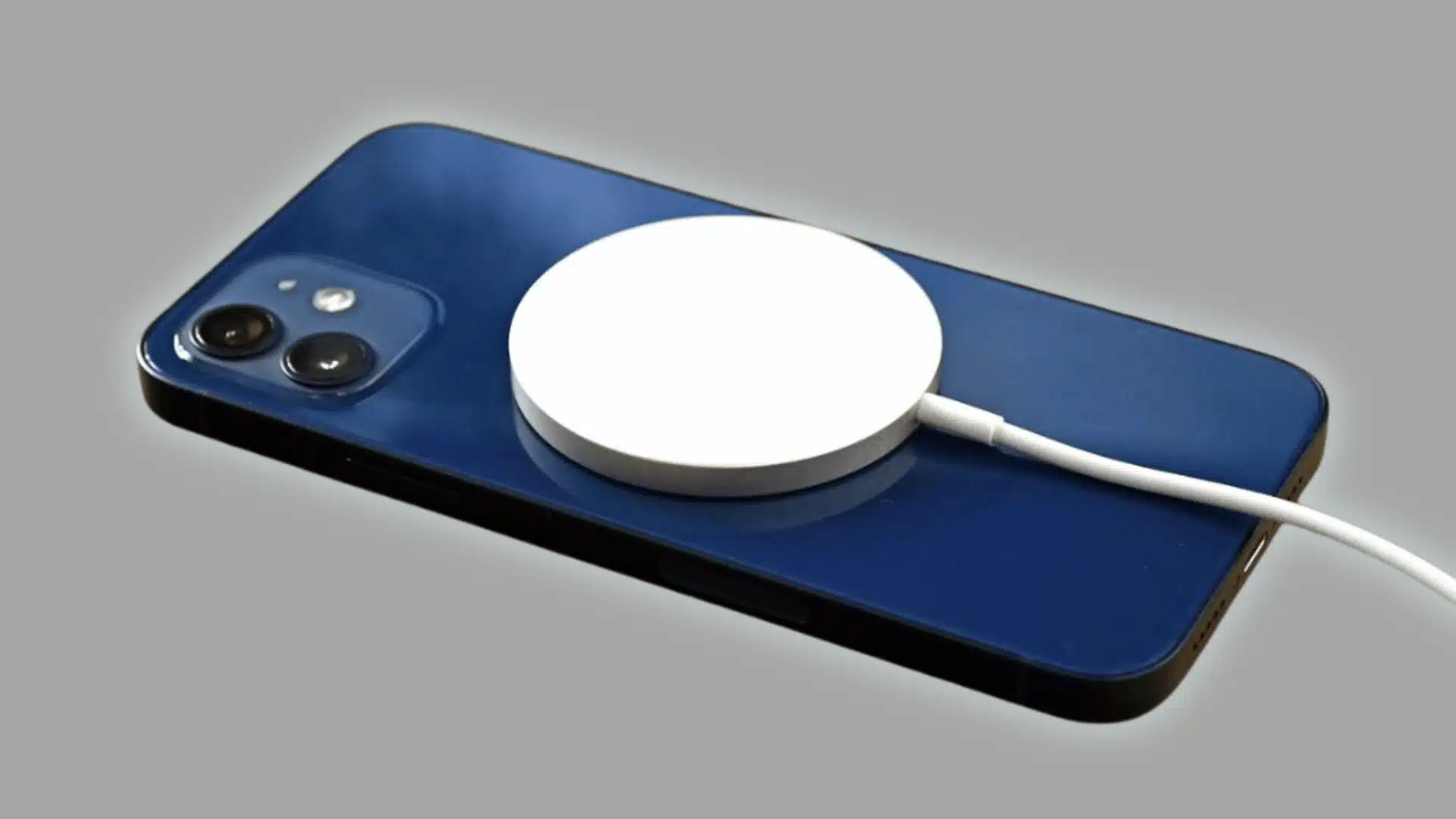
MagSafe can look like a simple ring of magnets on the back of an iPhone, but there is more happening behind that snap. I use MagSafe for charging and accessories, and the small details make a difference once you start using it regularly.
The magnets help keep compatible chargers aligned with the iPhone, while the same system lets wallets, battery packs, stands, and other accessories attach to the phone.
But what is MagSafe really, and how does it work? Understanding the system can help you choose compatible accessories, avoid weak magnetic connections, and get more from your iPhone without adding complexity.
What Is MagSafe?
MagSafe is Apple’s magnetic accessory and wireless charging system for supported iPhone models.
Apple introduced it with the iPhone 12 lineup in 2020. It uses an array of magnets around the iPhone’s wireless charging coil to help compatible chargers and accessories attach in the right position.
MagSafe works with accessories such as chargers, wallets, battery packs, stands, and mounts, and the same magnetic layout extends to AirPods charging cases, which helps if you’re already set up for locating misplaced AirPods.
The magnets hold these accessories in place without clips or adhesives. Apple also uses the MagSafe name for MacBook charging, but the two systems work differently.
iPhone MagSafe combines magnetic attachment with wireless charging, while MacBook MagSafe uses a magnetic connector to deliver power to the laptop. Both systems use magnets, but they serve different purposes.
How Does MagSafe Work?
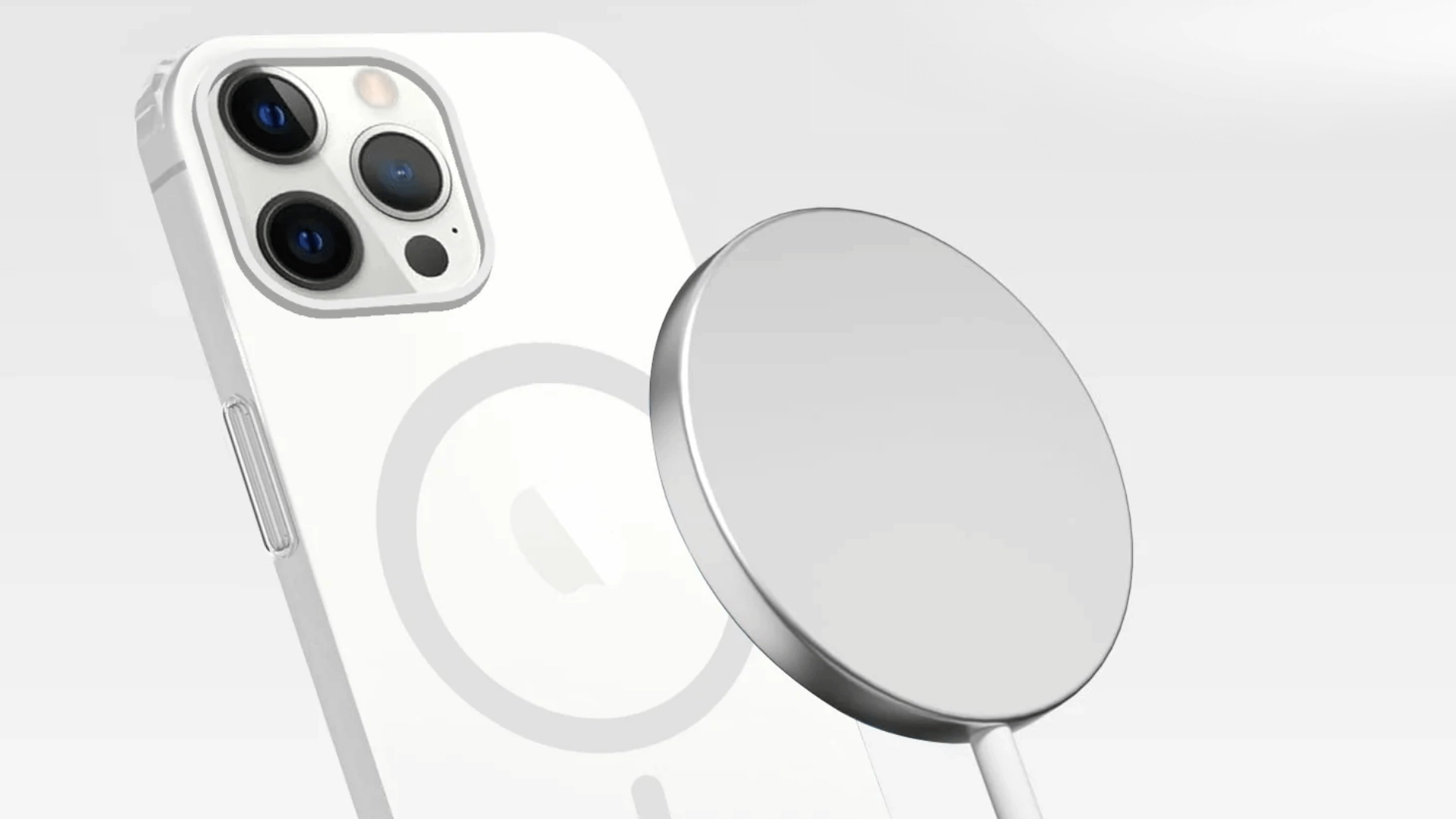
MagSafe combines magnets with wireless charging to keep a compatible charger correctly positioned on the iPhone. Supported iPhones have an array of magnets around the wireless charging coil, while compatible MagSafe chargers have a matching magnetic design.
When you bring the charger near the back of the iPhone, the magnets pull it into the correct position and keep the two charging coils aligned. The magnets do not provide the charging power.
Instead, they help maintain the proper position while wireless charging transfers power between the two coils through magnetic induction.
This alignment can make charging more consistent than using a flat wireless charging pad. The same magnetic system also lets compatible accessories attach securely to the iPhone.
Which iPhones Support MagSafe?
MagSafe was introduced with the iPhone 12 lineup and has continued on many newer iPhone models. However, not every iPhone released after the iPhone 12 has MagSafe, so checking the specific model is important.
| iPhone Generation | MagSafe Support |
|---|---|
| iPhone 12 series | Yes |
| iPhone 13 series | Yes |
| iPhone 14 series | Yes |
| iPhone 15 series | Yes |
| iPhone 16 series | Yes, except iPhone 16e |
| iPhone 17 series | Yes |
| iPhone 17e | Yes |
Note: The iPhone 16e supports Qi wireless charging but does not have MagSafe. Apple later added MagSafe to the iPhone 17e, which supports both MagSafe and Qi2 wireless charging.
What is a MagSafe Phone Case?
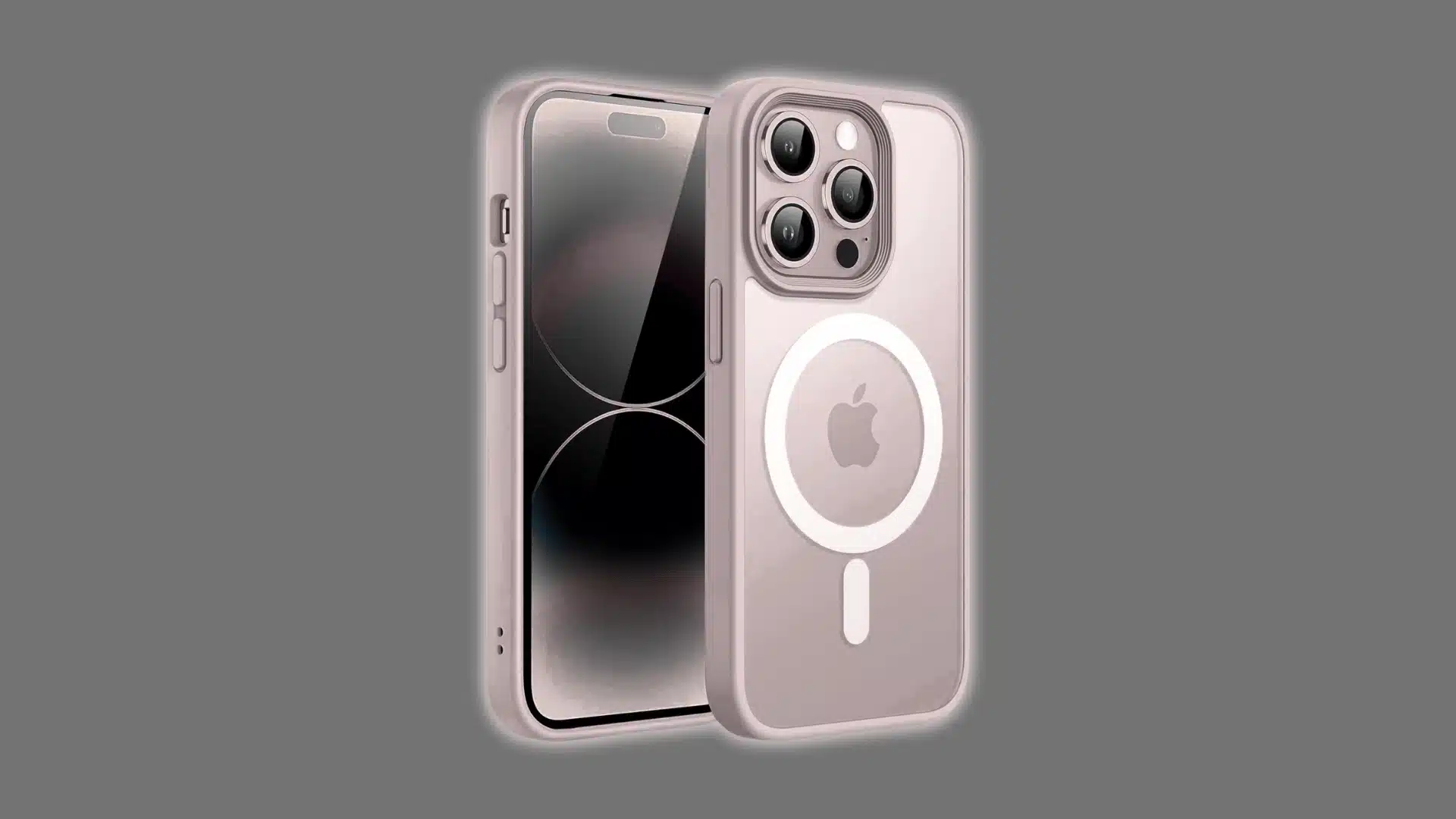
A MagSafe case is not simply a case with any magnet inside. It includes a specially placed magnet ring designed to match the magnets already inside the iPhone.
That alignment allows chargers and accessories to connect through the case without removing it.
You do not need a case for MagSafe to work. The iPhone already contains the required magnet system, but a compatible case helps protect the phone while maintaining the connection.
The case you choose affects how well MagSafe works. Different materials, thicknesses, and magnet placement can change how strong the attachment feels.
Common Issues Include:
- Thick Cases: Extra distance between the phone and accessory can weaken the magnetic connection.
- Poor Magnet Placement: Some third-party cases use weaker or incorrectly positioned magnets, causing loose attachments.
- Non-MagSafe Cases: A regular case may still allow wireless charging, but it generally will not provide the same magnetic attachment and alignment as a MagSafe-compatible case.
I have seen this confuse users who buy a case that looks compatible but later find their charger or wallet does not stay attached properly. Not every case labeled as magnetic performs the same.
Magnet strength and placement matter more than the label alone.
What Can You Attach to MagSafe?
MagSafe supports a range of compatible accessories that attach magnetically to supported iPhones. Chargers are one of the main uses, but you can also add accessories that make charging, carrying, mounting, and using your phone more convenient.
| ACCESSORY | WHAT IT DOES |
|---|---|
| MagSafe Chargers | Wirelessly charge the iPhone while staying magnetically aligned |
| Wallets | Attach to the back of the iPhone to hold cards |
| Battery Packs | Provide portable power without a charging cable |
| Car Mounts | Hold the iPhone in a convenient position while driving |
| Stands | Hold the iPhone upright for viewing or charging |
| Camera Grips | Provide a more secure grip and may add physical controls |
MagSafe accessories can be attached, removed, and swapped without clips, adhesives, or permanent mounting. However, not every magnetic accessory is MagSafe-compatible.
Proper magnet placement and compatibility help provide a secure connection and reliable performance. Using MagSafe-designed accessories can also help avoid issues with wireless charging.
What are the Limitations of MagSafe?
MagSafe makes wireless charging and accessories easier to use, but it has a few limits. The experience can also vary depending on your iPhone, case, charger, and accessory.
- Charging Speed: MagSafe can charge quickly on supported iPhones, but wired charging can still be faster. Charging speed also varies by iPhone model, charger, and power adapter.
- Magnet Strength: The magnetic connection can feel weaker when accessories are poorly designed or when there is extra distance between the magnets.
- Case Thickness: Thick or bulky cases can reduce the strength of the magnetic connection and may affect accessory attachment.
- Heat: Wireless charging can make the iPhone and charger warm, and charging may slow down if the phone gets too warm, which can sometimes overlap with unrelated hiccups like fixing iCloud sync problems when the battery is already under strain.
- Compatibility: Not every magnetic accessory works with MagSafe. Accessories need the right design and magnetic alignment to attach and work properly.
These limits do not make MagSafe unreliable. They simply show why using compatible accessories and a suitable case can provide a better experience. Choosing the right setup can help you get the most from MagSafe.
Conclusion
MagSafe adds a simple magnetic connection to the iPhone that can make charging and accessories easier to use.
Now that you know what MagSafe is, it should be easier to understand why proper alignment matters and why compatible cases and accessories can make a difference.
I find its biggest benefit is the convenience of attaching a charger, wallet, stand, or other accessory without clips or cables getting in the way.
MagSafe has some limits, but choosing compatible products can help you get a smoother experience. Have you used MagSafe on your iPhone? Share your favorite MagSafe accessory or your experience in the comments.
Frequently Asked Questions
Which iPhones support MagSafe?
MagSafe works on iPhone 12 and every model released after it. Older iPhones don’t have the internal magnet ring, so MagSafe accessories won’t align or attach properly.
Does MagSafe work with AirPods?
Only certain AirPods cases support MagSafe, like the AirPods Pro charging case. It snaps onto a MagSafe charger the same way an iPhone does.
Is MagSafe available for Android phones?
Apple’s MagSafe hardware isn’t built into Android devices. Some brands add their own magnetic rings using the Qi2 standard, offering similar functionality without official MagSafe support.
Is Apple discontinuing MagSafe?
There’s no official confirmation of this. Rumors have suggested Apple may drop MagSafe from future models, but current iPhones still fully support it.