

Holiday orders have slowed, but cartons still crowd your stockroom with another supplier delivery due tomorrow. Managing seasonal inventory overflow starts with adjusting purchases and moving slow-selling products before they take over your workspace. When those fixes leave you short on room, flexible on-site storage can give your extra inventory a place while keeping daily operations running.
Why Your Business Keeps Running Into Seasonal Overflow
Even a well-run business can struggle when demand changes faster than purchasing plans. An unexpectedly quiet week leaves stock untouched, while shipments ordered to prevent shortages continue to arrive. Seasonal products can linger long after their selling window closes.
The problem reaches beyond individual stockrooms. A 2026 study estimates that overstocks and out-of-stocks together cost global retailers $1.7 trillion annually, equivalent to 6.2% of retail sales. That figure captures both missed sales and excess goods, rather than the cost of overflow alone.
Forecast Demand Before It Overwhelms Your Space
In a 2025 study, 55% of participating small and midsize businesses reported a 20% excess stock margin, underscoring the value of reviewing purchasing habits.
Your records provide a starting point:
- Review weekly sales: Last season’s totals need context. Separate repeatable demand from one-time promotions or unusually large purchases before using those numbers to plan orders.
- Check supplier timing: Match delivery dates to your selling window. If a supplier allows split shipments, you could receive smaller quantities as needed rather than the entire order up front.
- Set a measured buffer: Reserve extra stock for products with dependable demand, using available space to set a practical purchasing limit.
- Revisit the forecast: A weekly comparison of actual sales against expectations can flag replenishment plans that need adjusting before another shipment arrives.
Turn Slow-Moving Stock Into Cash Before It Piles Up
Decide which products are worth carrying forward and which need a faster exit.
For items with a shrinking selling window, consider these tactics:
- Mark down selectively: Set a minimum acceptable margin, then discount seasonal goods while customers still have a reason to buy them.
- Bundle related products: A complementary bestseller may give shoppers a reason to consider a slower item. Check that the combined price still makes sense for your business.
- Run a focused clearance: Give aging merchandise a dedicated shelf or online collection with a short promotional window. Track units sold against your inventory-reduction goal to assess the response.
4 On-Site Storage Options for Overflow Inventory
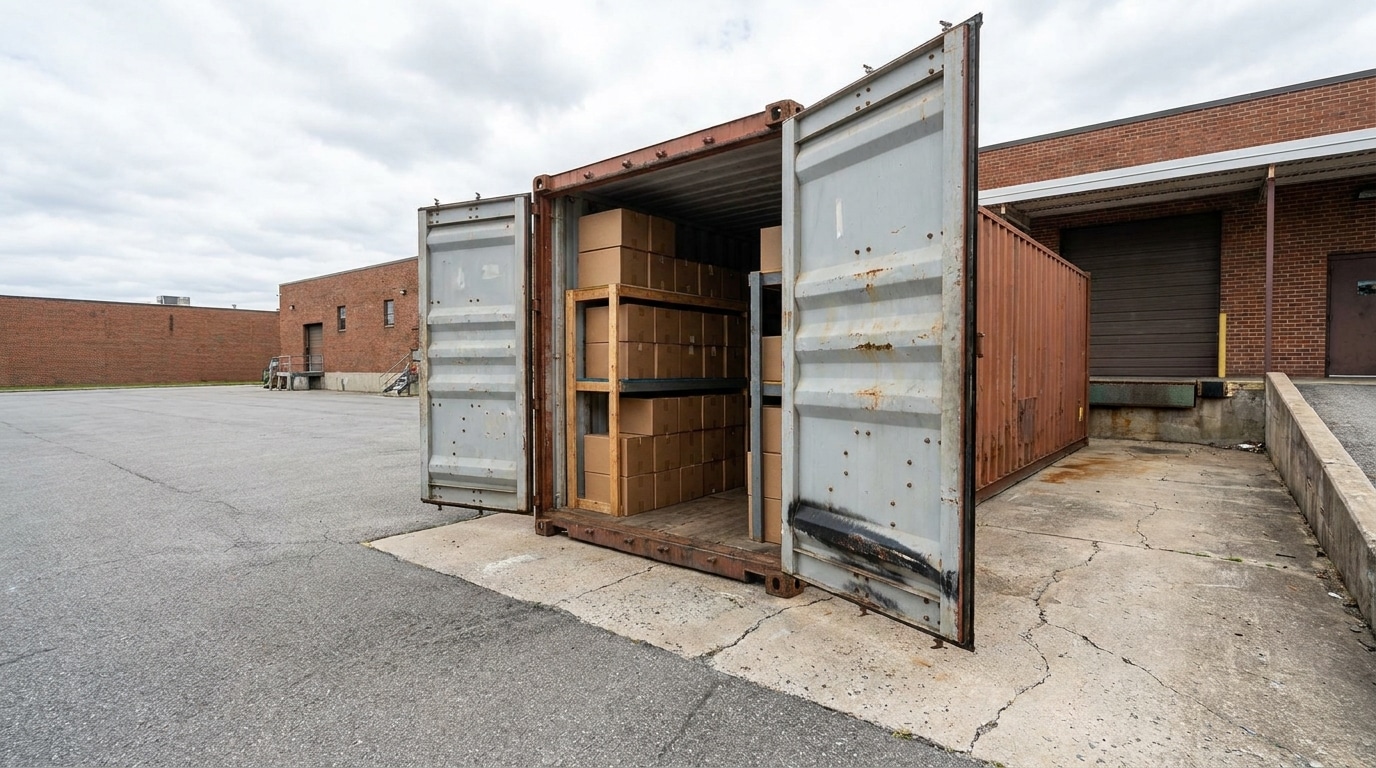
When the stock you’re keeping exceeds available room, consider these on-site options.
1. Eagle Leasing
In business since 1967, Eagle Leasing offers delivery within 24 to 48 hours in most markets, depending on location and availability.
Key Features
- Local reach: Delivery generally serves locations within 50 miles of a branch, but confirm coverage with your local team.
- Storage choices: Options include 10-foot, 20-foot and 40-foot containers plus high-cube configurations.
- Seasonal flexibility: Eagle Leasing rentals have a three-month minimum and continue month-to-month afterward.
2. United Rentals
Specialized inventory requirements may make United Rentals worth considering.
Key Features
- Container dimensions: Lengths are 10 feet, 20 feet and 40 feet, with high-cube models available.
- Environmental requirements: Refrigerated and hazardous-material categories address different storage needs.
- Custom additions: Ventilation, insulation and lighting are among the options. Shelving is available for eligible units, while specific configurations require confirmation before booking.
3. National Construction Rentals
Businesses arranging site equipment can consider National Construction Rentals for storage alongside fencing.
Key Features
- Steel construction: Weather-resistant, 14-gauge steel forms the exterior.
- Security hardware: Each unit comes with a lockbox designed to deter unauthorized access.
- Accessible layouts: Ground-level entry and nonslip wood flooring support loading. Available lengths include 10-foot, 20-foot and 40-foot, with dual-end access on the largest.
4. My Container Rental
Eventual ownership is the focus at My Container Rental, which works through participating dealers.
Key Features
- Payment schedules: Agreements run from 12 to 48 months, spreading payments over the selected period.
- Application process: A traditional credit check isn’t required.
- Protection options: Optional damage protection may cover qualifying damage to the container during the rental term. Confirm exclusions and arrange separate protection for stored inventory if needed.
Frequently Asked Questions About Seasonal Storage
These practical considerations can help you narrow down a storage arrangement.
How quickly can I get a storage container delivered?
Delivery timing depends on the provider, your location and available stock. For an urgent request, ask your serving branch about its earliest opening and confirm the date before arranging staff or changing your receiving schedule.
What size storage container do I need for extra inventory?
Choose a container based on the packaged inventory volume and the space required to access individual products. Shelving, walkways and display materials all affect usable capacity. Once you’ve calculated the minimum, consider a modest buffer for future overflow rather than filling every available inch.
Is renting a storage container cheaper than leasing more warehouse space?
It depends on how long and how often you need the space. Compare rental, delivery and pickup charges with warehouse lease costs over the same period. A temporary arrangement may suit seasonal demand, while consistent year-round overflow warrants an evaluation of permanent expansion.
Can I rent a short-term storage container for just one season?
Yes, seasonal rentals are available, although minimum periods vary by provider. Before committing, establish the shortest term, extension options and pickup arrangements. Confirm that you’re choosing a temporary rental rather than a longer rent-to-own agreement.
Turn Seasonal Overflow Into a Growth Opportunity
With purchasing and clearance plans in place, give your overflow plan a clear activation point, such as when incoming shipments exceed your designated stockroom capacity. Assign responsible staff members to arrange extra storage before the next rush begins.
Once a unit is on-site, keep a simple location and inventory record showing what went inside and when it should return to circulation. Include a review date for emptying the container and arranging pickup. Assessing your current space and setting those responsibilities now can turn an improvised response into a repeatable seasonal process.