
A compact drone can look perfect on paper, but the real question is whether its upgrades actually matter once you start flying.
If you are considering the DJI Mini 5 Pro review before buying, you probably want more than a list of specs.
You need to know how the camera performs, what battery life feels like in real use, and where weight or U.S. availability may affect your decision. I’ve focused on the features that make the biggest practical difference.
You’ll see how the Mini 5 Pro compares with the Mini 4 Pro, how its safety and tracking tools work, and who gets the most value from the upgrade.
Note: This assessment is based on DJI specifications, current retailer information, FAA guidance, published reviews, and user discussions. It does not claim an independent hands-on flight test.
Is the DJI Mini 5 Pro Worth It?
Yes, the DJI Mini 5 Pro is a strong choice for travelers, photographers, and creators who want better imaging without moving to a larger Air or Mavic drone.
The main reason to choose it is the 50MP 1-inch CMOS sensor. It gives the camera more light-gathering capability than the smaller 1/1.3-inch sensor in the Mini 4 Pro, which is particularly useful when shooting landscapes, sunsets, city scenes, or changing light.
Its compact size also makes it easier to fit into a portable travel setup when you are already carrying cameras, chargers, and other electronics.
You also get 4K/120fps slow motion, 42GB of built-in storage, improved obstacle sensing, ActiveTrack 360°, and more flexible gimbal movement.
The decision becomes less straightforward for existing Mini 4 Pro owners or U.S. buyers dealing with regional purchasing and support limitations.
DJI Mini 5 Pro Key Specifications
The Mini 5 Pro combines a portable airframe with camera and safety features aimed at more serious photo and video use.
Key specifications include:
- Camera: 50MP 1-inch CMOS sensor
- Aperture: f/1.8
- HDR video: Up to 4K/60fps
- Slow motion: Up to 4K/120fps
- Color: 10-bit video support
- Internal storage: 42GB
- Standard battery: Up to 36 minutes
- Battery Plus: Up to 52 minutes
- Obstacle detection: Nightscape omnidirectional sensing
- Tracking: ActiveTrack 360°
- Gimbal: Up to 225° roll rotation
- Transmission: O4+ system with up to 20 km claimed FCC range
- Standard configuration weight: About 249 g
Flight-time and transmission numbers are laboratory maximums. Wind, temperature, speed, signal conditions, battery health, and the power needed for a safe return can reduce actual performance.
DJI Mini 5 Pro Camera and Video Quality
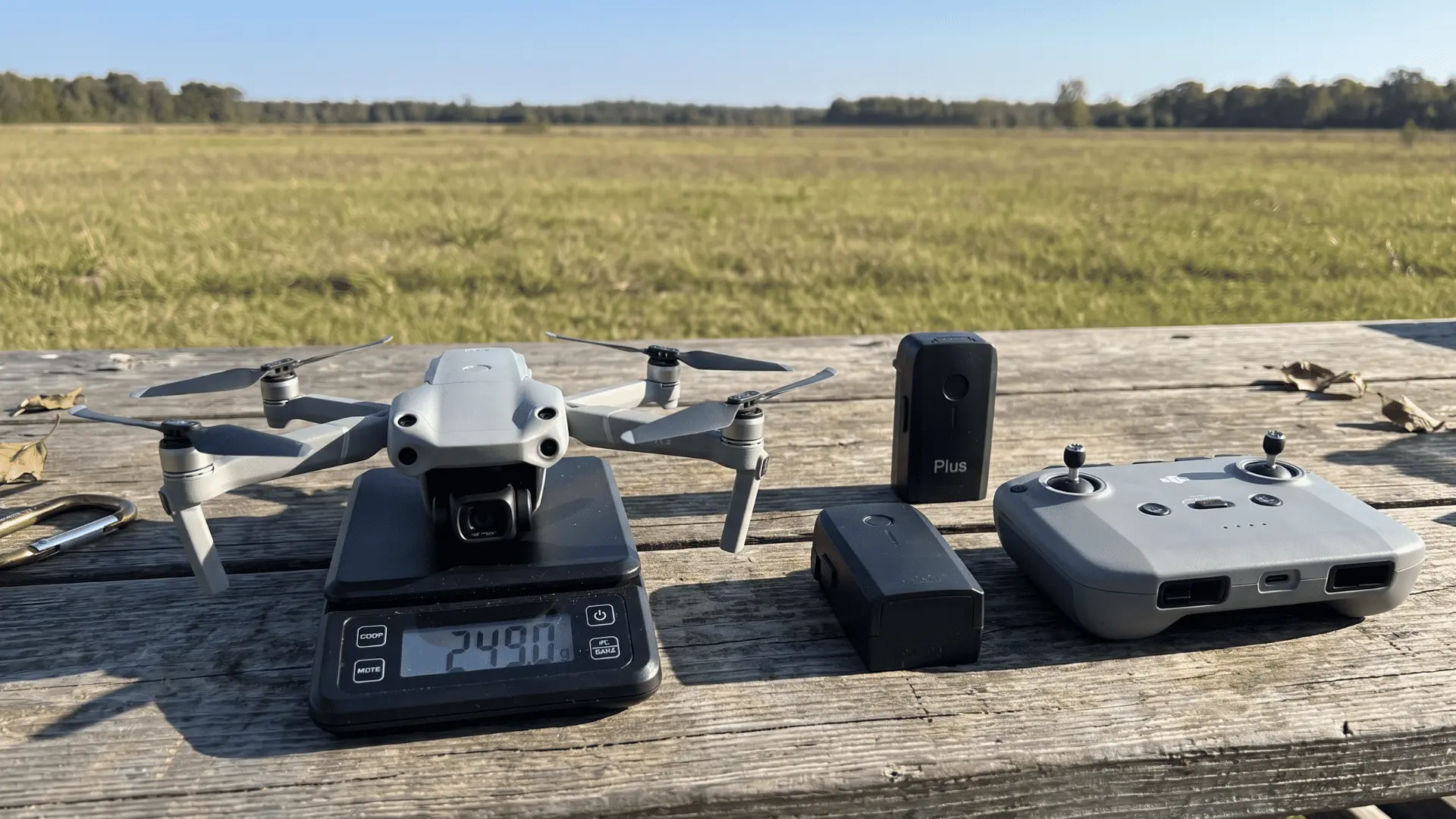
The 1-inch camera is the Mini 5 Pro’s most meaningful upgrade.
DJI combines a 50MP 1-inch CMOS sensor with an f/1.8 aperture, giving the camera a larger imaging area than the Mini 4 Pro’s 1/1.3-inch sensor. The difference matters more than the small increase from 48MP to 50MP.
A larger sensor can retain more useful image information when scenes contain bright highlights, dark shadows, or limited available light. That makes the Mini 5 Pro particularly relevant for sunrise, sunset, landscape, urban, and travel photography.
The additional resolution also leaves photographers more room to crop images for websites, social platforms, or prints. Having suitable beginner editing tools can also make it easier to process those larger files without building an overly complicated workflow.
4K Video and Slow Motion
Video recording reaches 4K/60fps with HDR and 4K/120fps for slow motion.
The 120fps mode is useful when filming subjects such as:
- Cyclists
- Cars
- Waves
- Sports
- Fast outdoor activities
Users who mostly record normal 4K footage in bright daylight may notice less improvement over the Mini 4 Pro. The upgrade becomes more valuable when the larger sensor, 10-bit recording, and higher frame rates are actually used.
Better Low-Light Capability
The combination of the larger sensor and f/1.8 aperture also makes low-light shooting one of the Mini 5 Pro’s stronger use cases.
It gives creators more flexibility when available light begins to fall without requiring them to move to a substantially larger drone.
That advantage does not remove the normal limitations of nighttime flying. Low-light image quality and safe flight operation remain separate considerations.
DJI Mini 5 Pro Battery Life
DJI rates the standard Intelligent Flight Battery for up to 36 minutes, while the Intelligent Flight Battery Plus increases the claimed maximum to 52 minutes.
Actual filming time will normally be lower because the aircraft still needs power for climbing, repositioning, handling wind, returning to the launch point, and landing safely.
The battery choice also affects one important specification: weight.
The standard configuration sits at approximately 249 g, while DJI states that the Battery Plus takes the aircraft above that level.
That makes the standard battery more attractive for pilots who care about keeping the aircraft around the sub-250 g category. The Battery Plus makes more sense when longer endurance matters more than staying within that weight range.
Obstacle Detection and Flight Safety
The Mini 5 Pro uses Nightscape omnidirectional obstacle sensing supported by multiple vision sensors and forward-facing LiDAR.
These systems can help when navigating environments containing:
- Trees
- Buildings
- Hills
- Narrow routes
- Moving subjects
- Reduced lighting
The drone also improves return-to-home capabilities and can use remembered flight routes under supported conditions.
These features should still be treated as backup assistance. Thin wires, small branches, reflective objects, rapidly moving obstacles, or unusual lighting can remain difficult for automated detection systems.
Planning a clear route is safer than depending on sensors to correct a risky flight path.
ActiveTrack 360° for Moving Subjects
ActiveTrack 360° is particularly useful for solo creators who want the aircraft to maintain framing while the subject moves.
DJI has designed the tracking system to recognize certain movement and sports scenarios, making it suitable for recording activities such as hiking, running, cycling, driving, and outdoor travel sequences.
It can reduce the amount of constant manual adjustment needed when following a subject.
The feature works best when the flight area provides enough open space for predictable movement. Dense trees, poles, cables, and rapidly changing obstacles can make automated tracking more difficult.
225° Gimbal and Vertical Shooting
The Mini 5 Pro’s 225° gimbal roll rotation gives photographers and videographers more freedom to create unusual angles instead of remaining limited to conventional horizontal framing.
DJI also supports true vertical shooting, which is useful for mobile-first platforms without requiring a heavy crop from a horizontal 16:9 frame.
Available shooting modes include:
- QuickShot Rotate
- Spotlight
- Timelapse
- Waypoint
- Vertical shooting
This flexibility is particularly useful for creators producing a mixture of landscape footage and vertical social content from the same drone.
42GB Internal Storage
DJI increases built-in storage to 42GB, compared with 2GB on the Mini 4 Pro.
The extra capacity provides a practical backup when a microSD card is forgotten, full, damaged, or unavailable. It can also help when recording away from home and immediate card management is inconvenient.
Creators accumulating large photo libraries may still want separate photo backup options rather than relying only on the drone, memory cards, or a single computer.
A fast, high-capacity microSD card still makes sense for frequent high-bitrate 4K recording.
The internal memory is therefore best treated as convenient backup storage rather than a replacement for removable media.
DJI Mini 5 Pro vs Mini 4 Pro
The Mini 4 Pro remains a capable compact drone, so the upgrade makes the most sense when its newer camera or flight capabilities solve a limitation you actually encounter.
| Feature | DJI Mini 5 Pro | DJI Mini 4 Pro |
|---|---|---|
| Main sensor | 1-inch CMOS | 1/1.3-inch CMOS |
| Photo resolution | 50MP | 48MP |
| 4K slow motion | Up to 120fps | Up to 100fps |
| Standard flight time | Up to 36 min | About 34 min |
| Internal storage | 42GB | 2GB |
| Obstacle sensing | Nightscape omnidirectional + LiDAR | Omnidirectional vision sensing |
| Gimbal movement | 225° roll + vertical shooting | Vertical shooting |
| Tracking | Upgraded ActiveTrack 360° | ActiveTrack 360° |
| Standard weight | About 249 g | Under 249 g |
The biggest practical difference is the camera rather than the minor increase in standard flight time.
Mini 2 or Mini 3 owners have more reasons to consider upgrading. Mini 4 Pro users who already like their daylight image quality may have less reason to replace their current drone.
How Well Does the Mini 5 Pro Handle Wind?
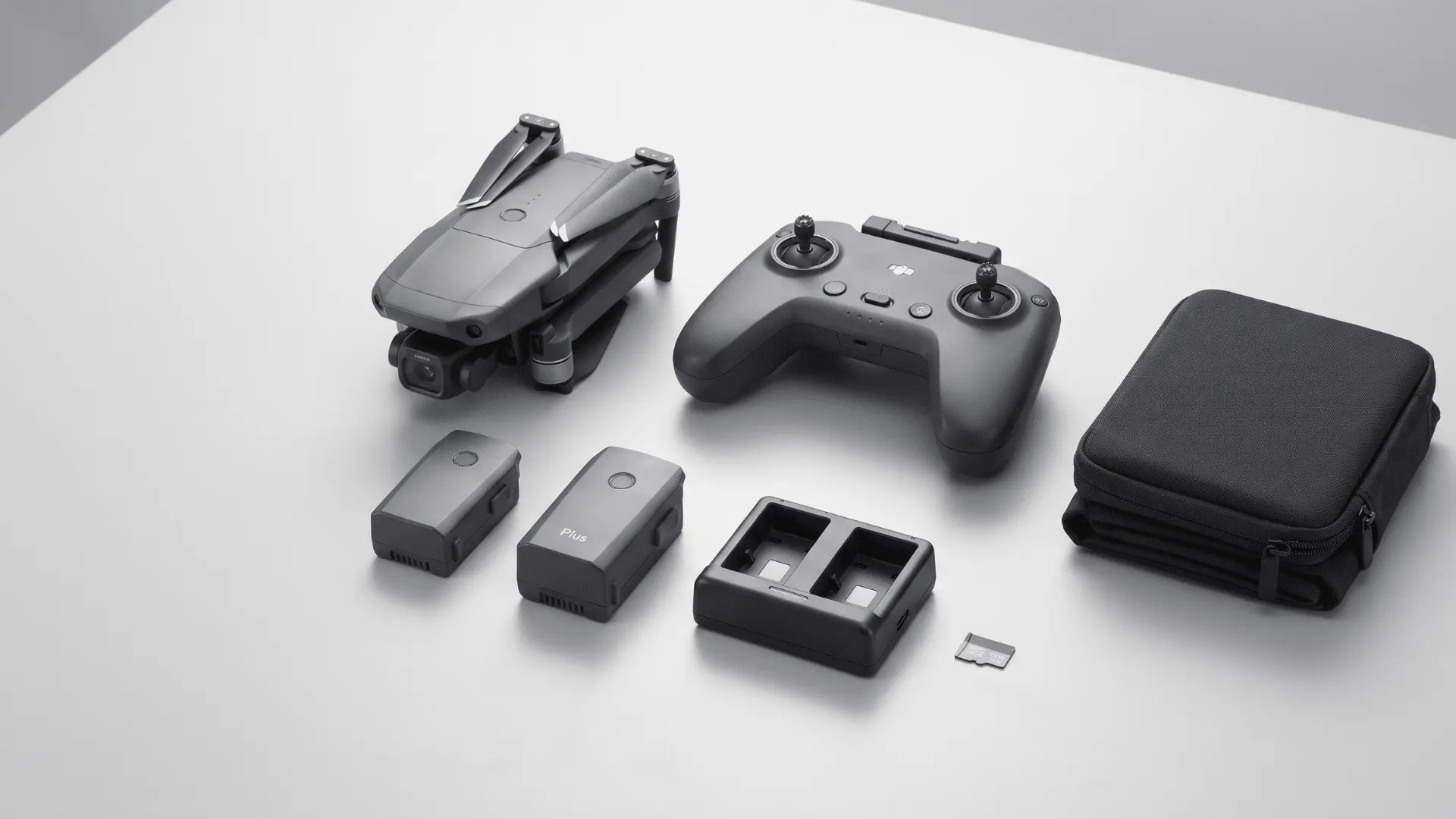
Portability comes with a physical limitation: lightweight drones are generally easier for strong or turbulent wind to affect than heavier aircraft.
Wind deserves extra attention around:
- Coastlines
- Open fields
- High elevations
- Buildings
- Ridges
Direction matters as much as speed. Flying outward with a strong tailwind can create a difficult return trip when that same wind becomes a headwind.
Leaving enough battery reserve for changing conditions is therefore more important than trying to achieve the maximum advertised flight time.
DJI Mini 5 Pro Availability and U.S. Rules
DJI launched the Mini 5 Pro globally in September 2025 but did not make it officially available in the United States through its normal launch channels at that time.
U.S. shoppers may still encounter listings through retailers and marketplaces such as B&H, Adorama, Amazon, and eBay.
Availability alone does not necessarily mean the aircraft is being sold through normal DJI U.S. distribution, so buyers should check the individual seller, warranty coverage, return policy, and regional support before ordering.
Is It Legal to Fly in the U.S.?
Owning or flying a DJI Mini 5 Pro is not automatically illegal in the United States.
FAA requirements depend partly on how the aircraft is operated.
Recreational drones below 250 grams generally do not require registration when operated under the recreational exception. However, drones operated under Part 107 must be registered regardless of weight.
Recreational pilots must also complete the TRUST safety test and comply with applicable operational and airspace rules.
Anyone using the heavier Battery Plus configuration should not assume the same sub-250 g registration treatment applies.
DJI Mini 5 Pro Price and Buying Options
U.S. pricing can vary because Mini 5 Pro listings may differ by retailer, seller, controller, battery type, accessories, and import route.
Instead of comparing only the headline price, check what each package actually contains.
Important items include:
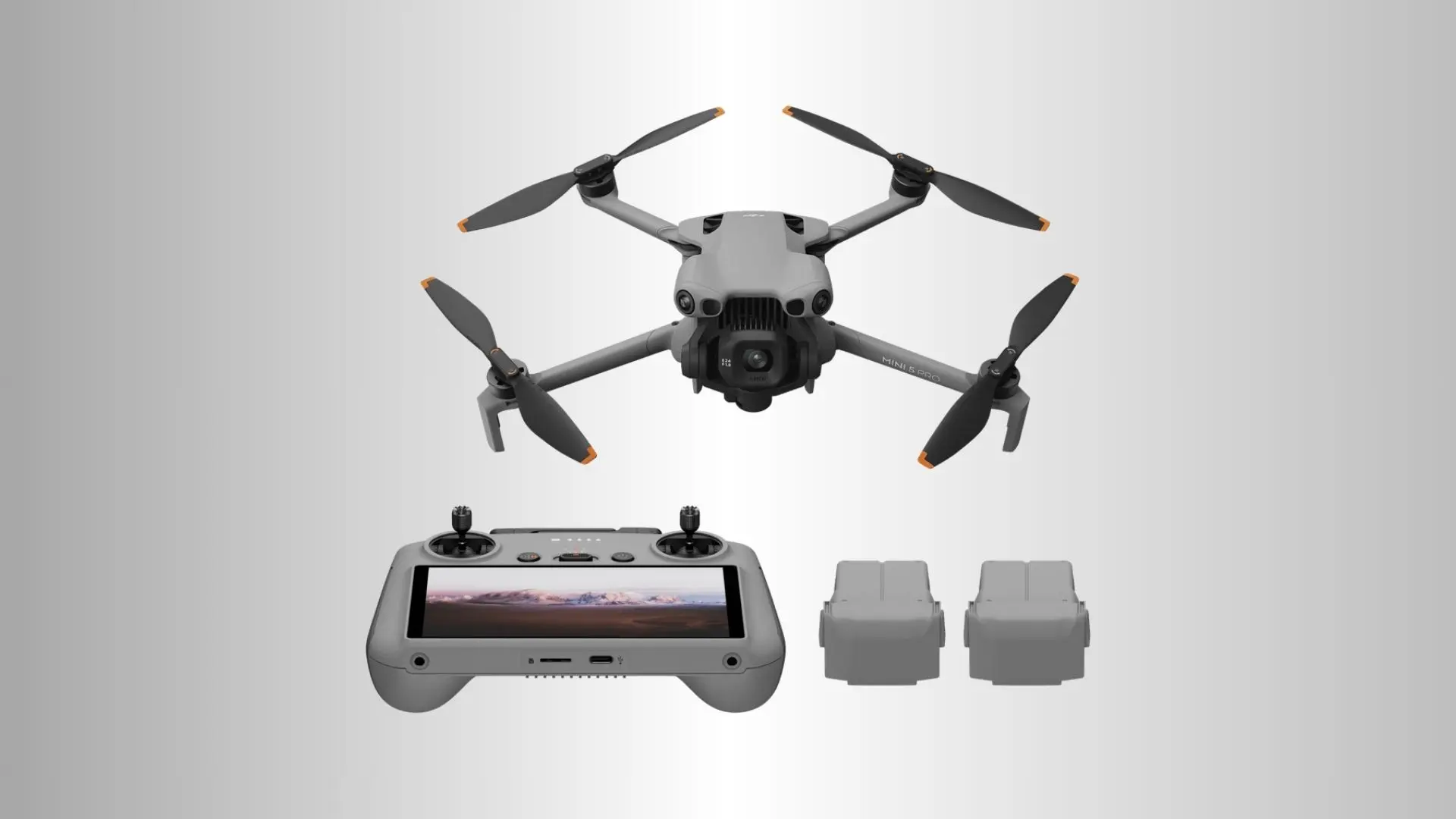
- RC-N3 or RC 2 controller
- Number of batteries
- Standard or Battery Plus batteries
- Two-way charging hub
- Spare propellers
- ND filters
- Carrying bag
- Seller-backed protection
A cheaper package is not automatically better if warranty or support options are limited.
Is the Fly More Combo Worth It?
The Fly More Combo makes the most sense for people who expect to fly frequently.
Additional batteries provide the biggest benefit because a single battery limits how much time can be spent scouting locations, framing shots, repeating takes, and capturing footage before charging again.
The package may also include a charging hub, spare propellers, filters, and a carrying bag, reducing the number of accessories that need to be purchased separately.
Pay close attention to the battery version included.
A Fly More Combo Plus may contain Battery Plus units. They provide longer flight time but also increase the aircraft’s takeoff weight beyond 249 g.
Who Should Buy the DJI Mini 5 Pro?
The Mini 5 Pro is particularly well suited to:
- Travel photographers
- Landscape photographers
- Hiking and outdoor creators
- YouTube creators
- Social media videographers
- Mini 2 or Mini 3 owners looking for a substantial upgrade
- Pilots who prioritize portability
- Creators who regularly shoot in changing light
Its strongest appeal comes from combining a relatively compact body with a larger camera sensor and more flexible shooting features.
Who Should Skip It?
Consider keeping your current drone or choosing another model if:
- You own a Mini 4 Pro and mainly shoot in daylight.
- You frequently operate in strong wind.
- You need multiple optical focal lengths.
- You want straightforward official U.S. purchasing and regional support.
- Flight stability matters more than portability.
- You need a larger professional platform for demanding commercial work.
For those users, the advantages of moving to the Mini 5 Pro may not justify the cost or purchasing complications.
Final Verdict
The Mini 5 Pro makes the strongest case for itself through better imaging, more flexible shooting, and useful flight upgrades rather than small spec changes alone. Its 1-inch sensor, 4K/120fps video, larger internal storage, improved tracking, and obstacle sensing give creators more room to work.
I also think you should pay close attention to battery choice, total takeoff weight, and seller support before buying. This DJI Mini 5 Pro review shows that it fits travelers and content creators best, while some Mini 4 Pro owners may not need the upgrade.
If the features match how you actually fly, compare available bundles carefully and share which setup makes the most sense for you.
Frequently Asked Questions
Is the DJI Mini 5 Pro under 250 grams?
DJI lists the standard Mini 5 Pro configuration at approximately 249 g. The Battery Plus makes the aircraft weigh more than 249 g, so pilots should check the actual takeoff configuration and applicable local regulations before flying.
Does the DJI Mini 5 Pro shoot 4K at 120fps?
Yes. The Mini 5 Pro supports 4K/120fps slow-motion recording. It also supports 4K/60fps HDR video, making it suitable for both normal high-quality footage and slower action sequences.
How long does the DJI Mini 5 Pro battery last?
DJI rates the standard battery for up to 36 minutes and the Intelligent Flight Battery Plus for up to 52 minutes. Actual usable flight time varies with wind, temperature, flight behavior, and battery reserve.
Does the DJI Mini 5 Pro have obstacle avoidance?
Yes. It features omnidirectional obstacle sensing and adds forward-facing LiDAR to improve environmental detection, including DJI’s Nightscape obstacle-sensing capabilities.
How much internal storage does the Mini 5 Pro have?
The drone includes 42GB of internal storage. That is a substantial increase over the Mini 4 Pro’s 2GB and provides useful backup storage when a microSD card is unavailable.
Does the DJI Mini 5 Pro work with DJI RC 2?
Yes. DJI sells Mini 5 Pro packages that include the DJI RC 2 screen-equipped controller, while other configurations use the RC-N3 controller. Buyers should check the exact bundle before ordering.
Is the DJI Mini 5 Pro better than the Mini 4 Pro?
Overall, yes. Its 1-inch sensor, 50MP camera, 4K/120fps recording, larger internal storage, LiDAR-assisted obstacle sensing, and improved gimbal make it the stronger model. Mini 4 Pro owners who mostly film in good daylight may find the upgrade less essential.