

Artificial intelligence is changing almost every industry, and cybersecurity is no exception. But the big question isn’t whether AI is making an impact.
It’s whether it will eventually make cybersecurity professionals obsolete. The short answer is no. But the longer answer is more important to understand.
AI is shifting how security work gets done. Some tasks are being automated. New threats are emerging. And the skills that matter most are evolving fast.
If you’re wondering whether a cybersecurity career is still worth pursuing, or if your current role is at risk, this blog breaks it all down clearly.
Will Cyber Security Be Replaced by AI?
No, AI will not fully replace cybersecurity jobs. It will automate specific tasks, but entire roles are a different story.
Cybersecurity isn’t just about processing data. It involves judgment, context, and decision-making in situations that are rarely black and white.
AI can speed up certain parts of the job. But it cannot own the responsibility that comes with protecting systems, people, and organizations. Jobs in this field will change for sure, but they’re not gonna outright won’t disappear.
What AI Can Actually Replace in Cybersecurity
AI is genuinely good at handling high-volume, repetitive tasks. Here’s where it performs well:
- Scanning and analyzing large volumes of logs
- Detecting known threat patterns
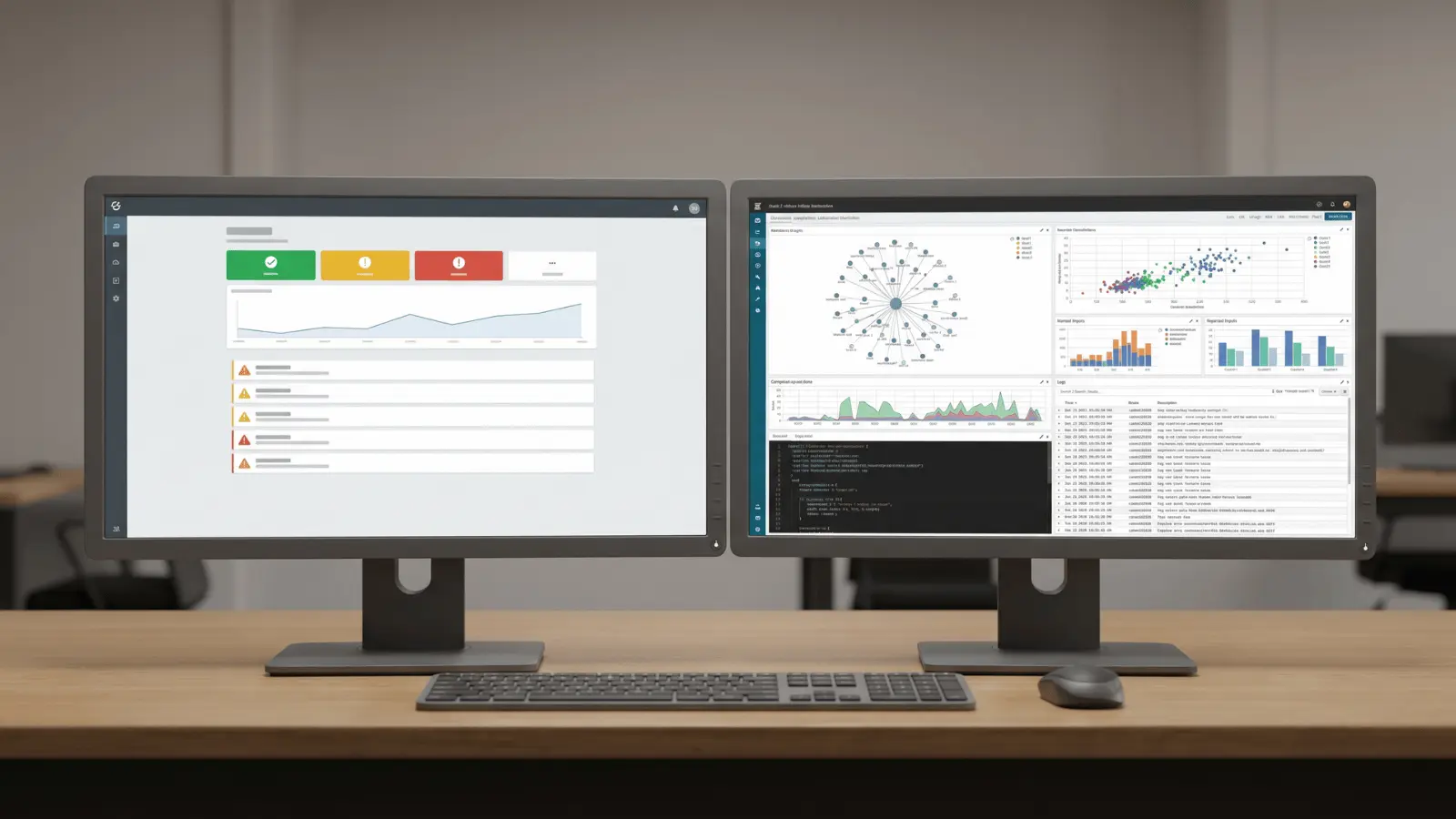
- Triaging alerts based on predefined rules
- Executing basic, scripted incident responses
But even in these areas, AI isn’t perfect. It generates false positives constantly; flagging normal activity as threats. That floods analysts with unnecessary alerts, a problem the industry calls alert fatigue. When every alert looks urgent, real threats get buried in the noise. Human judgment is still what separates signal from clutter.
The reason AI works here is straightforward.
These tasks involve massive amounts of structured data. Machine learning models can identify patterns faster and more consistently than any human analyst.
The result? Less need for manual, entry-level monitoring work. But AI struggles the moment things get complex.
It has a hard time with:
- Zero-day threats it hasn’t seen before
- Situations that require understanding the business context
- Distinguishing between unusual-but-safe behavior and actual threats
The key thing to note: Automation doesn’t equal job replacement. It reduces manual workload. It doesn’t transfer decision ownership to a machine.
Why AI Cannot Fully Replace Cybersecurity Professionals

AI can do a lot, but there are crucial areas where it still falls short. Let’s break down why human expertise remains irreplaceable in cybersecurity.
Lack of Contextual Understanding
AI processes data. It doesn’t truly understand what that data means in the real world. A spike in network traffic at 2 AM might be a cyberattack.
Or it might be a scheduled system backup. AI can flag it. But a human analyst understands the environment well enough to know which one it is. Without that context, AI generates noise, not answers.
Inability to Handle Novel Attacks
AI is trained on past data. That’s its foundation, and its biggest weakness in cybersecurity.
Cyber threats evolve constantly. Attackers deliberately create new techniques specifically to avoid detection.
When a genuinely new attack method appears, AI has no reference point. It either misses it or misclassifies it. Human expertise is what bridges that gap.
Decision Accountability and Risk
Security decisions carry real consequences. A wrong call can trigger legal liability, financial loss, or operational failure.
Organizations can’t hold an algorithm accountable. They need a human who can assess risk, explain decisions, and take responsibility for outcomes.
AI can assist, but it cannot own that accountability.
AI’s Own Limitations
AI systems are prone to mistakes. They hallucinate, misclassify, and often produce confident-sounding outputs that turn out to be completely wrong.
In cybersecurity, acting on a bad AI output can be catastrophic. Human validation isn’t optional; it’s essential.
How AI Is Changing Cybersecurity Jobs (Not Replacing Them)
The more accurate story isn’t a replacement. It’s an upgrade.
Shift From Manual Work to Strategic Work
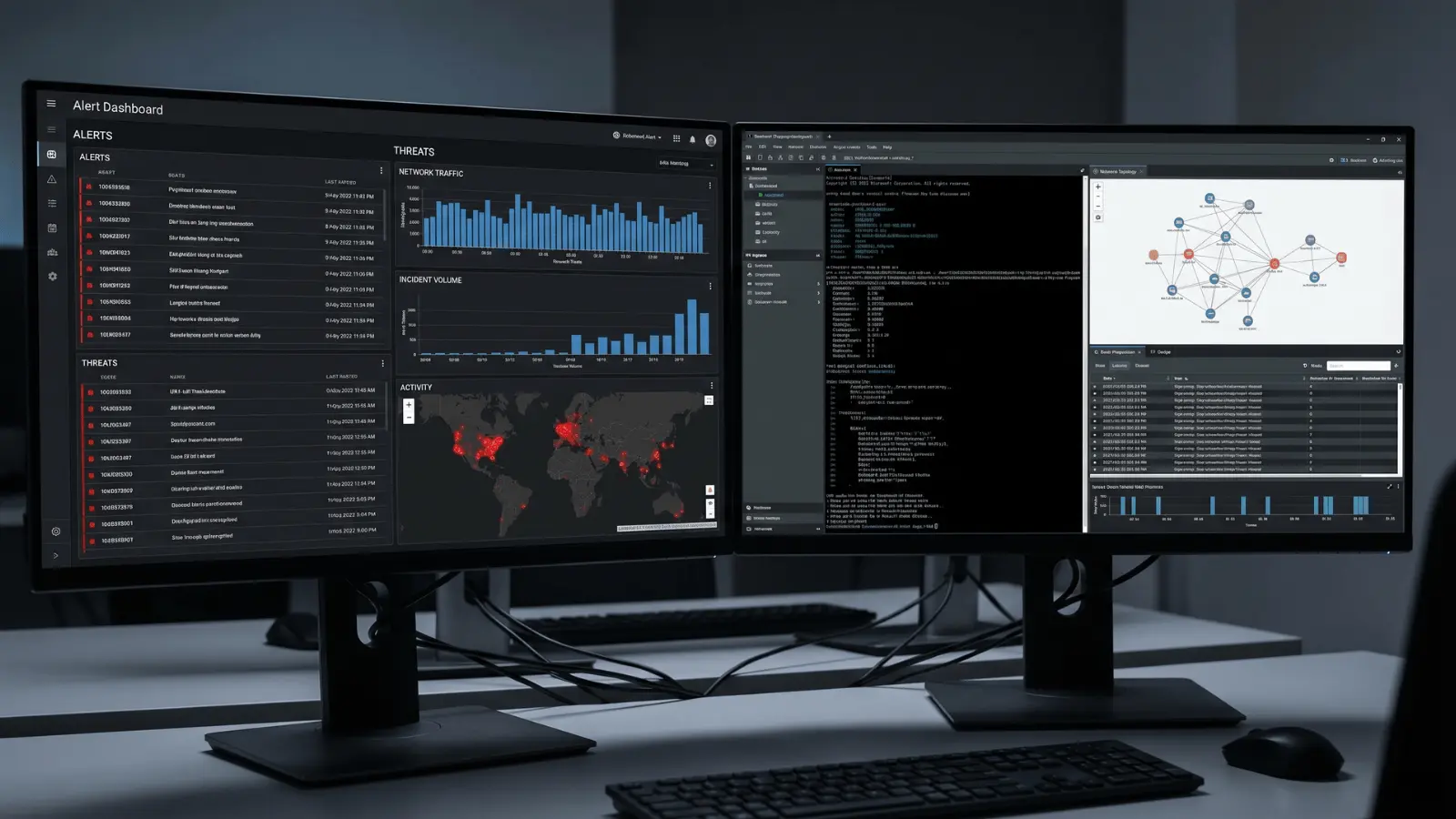
Security professionals are spending less time staring at dashboards and more time thinking.
Investigation, architecture design, and risk strategy, these are where human value is concentrated now. AI handles the repetitive layer so professionals can focus on higher-order problems.
Rise of AI-Assisted Security Workflows
Think of AI as a copilot, not an autopilot. Analysts use AI tools to speed up their work, but they guide the process, verify the outputs, and make the final calls.
The human stays in the driver’s seat.
For example, an analyst might use an AI tool to triage 500 alerts down to 12 worth investigating. They still review each one, verify the context, and decide how to respond. The AI saved hours of work. The analyst made the call.
Creation of New Roles
AI hasn’t just changed old jobs. It’s created entirely new ones:
- AI security specialists who secure machine learning systems
- Model auditors who test AI tools for vulnerabilities
- AI risk analysts who assess how AI is used, and misused
The field is expanding, not shrinking.
The Hidden Factor: AI Is Also Making Cyber Attacks Stronger
AI is not only helping defenders. It is also helping attackers. Cybercriminals can now use AI to create more convincing phishing emails, find vulnerabilities faster, and automate parts of their attacks.
AI lowers the skill required to launch attacks. That means more people can do it. And as the number of attacks goes up, so does their sophistication. Organizations face more pressure to defend against threats that are faster and harder to detect than before.
That increase creates more pressure on organizations to strengthen their defenses. And that means more demand for cybersecurity professionals.
So instead of reducing jobs, AI is actually increasing the need for skilled defenders.
Which Cybersecurity Roles are Most and Least Affected
Not every role carries the same level of risk. Here’s an honest breakdown.
Roles Most Affected
These positions involve high levels of repetition and structured data, the exact conditions AI handles well:
- Tier 1 SOC analysts (basic alert monitoring)
- Entry-level log reviewers
- Repetitive compliance audit tasks
These roles won’t vanish overnight. But the number of people needed to do them will likely shrink over time.
Roles Least Affected
These positions depend on creativity, strategy, and nuanced judgment, things AI can’t replicate:
- Security architects
- Advanced penetration testers
- Incident responders
- Risk and compliance experts
The common thread? All of them require understanding why something is happening, not just that it happened. That’s a human skill.
Is Cybersecurity Still a Safe Career Choice in the AI Era?
Yes, cybersecurity is still a strong career choice. There are currently over 4.8 million unfilled cybersecurity positions worldwide, and that gap is not closing anytime soon.
At the same time, digital systems are expanding, which increases the number of potential attack points. AI improves efficiency, but it also adds complexity.
Systems become harder to secure, not easier. The result is a shift in demand.
Basic roles may shrink, but skilled roles continue to grow. So the field remains stable, but expectations are higher than before.
What Skills Will Keep You Relevant in Cybersecurity
Future-proofing your career isn’t about abandoning what you know. It’s about building on it.
Core technical fundamentals still matter: networking, operating systems, and security protocols. These aren’t going anywhere.
What you add on top of that makes the difference:
- Understanding how AI and ML tools work in security contexts
- Being able to interpret AI-generated outputs critically
- Knowing how to manage and validate AI-assisted workflows
- Recognizing where AI fails so you can compensate
The failure case to avoid: leaning entirely on tools without understanding what’s underneath them. Professionals who treat AI as a black box become dependent on it, and that’s a career risk.
Those who combine strong security knowledge with AI awareness will stay competitive regardless of how the technology evolves.
Final Verdict: Replacement vs. Transformation
AI is not replacing cybersecurity as a career; it is changing how the work is done.
Tasks that are repetitive and predictable are being automated. But the need for human judgment, analysis, and decision-making remains strong.
Cybersecurity is becoming less about manual effort and more about thinking, planning, and adapting. The final answer is clear. AI will not take over cybersecurity jobs. It will raise the level of skill required to succeed in them.
Conclusion
AI is a powerful tool in cybersecurity, but it’s not a replacement for human expertise. It automates tasks, speeds up workflows, and helps analysts do more.
But it can’t think critically, understand context, or take accountability for decisions. The demand for skilled cybersecurity professionals is growing, not shrinking.
If you’re considering this field, or already in it, the smart move is to upskill, stay curious, and learn to work with AI rather than fear it. Your career in cybersecurity is safe, you just need to keep building it.
Frequently Asked Questions
What impact does AI have on cybersecurity jobs?
AI automates repetitive and high‑volume tasks in cybersecurity but enhances human roles by focusing on strategic decision-making and complex problem-solving.
Will AI fully replace cybersecurity professionals?
No. While AI automates certain tasks, it cannot replace human judgment, contextual understanding, or accountability in cybersecurity.
What skills are needed to stay relevant in cybersecurity with AI?
Cybersecurity professionals need to focus on understanding AI and machine learning tools, interpreting AI outputs, and maintaining core cybersecurity knowledge.
Are new roles emerging in cybersecurity due to AI?
Yes. New roles such as AI security specialists, AI risk analysts, and model auditors are being created as AI reshapes the cybersecurity landscape.