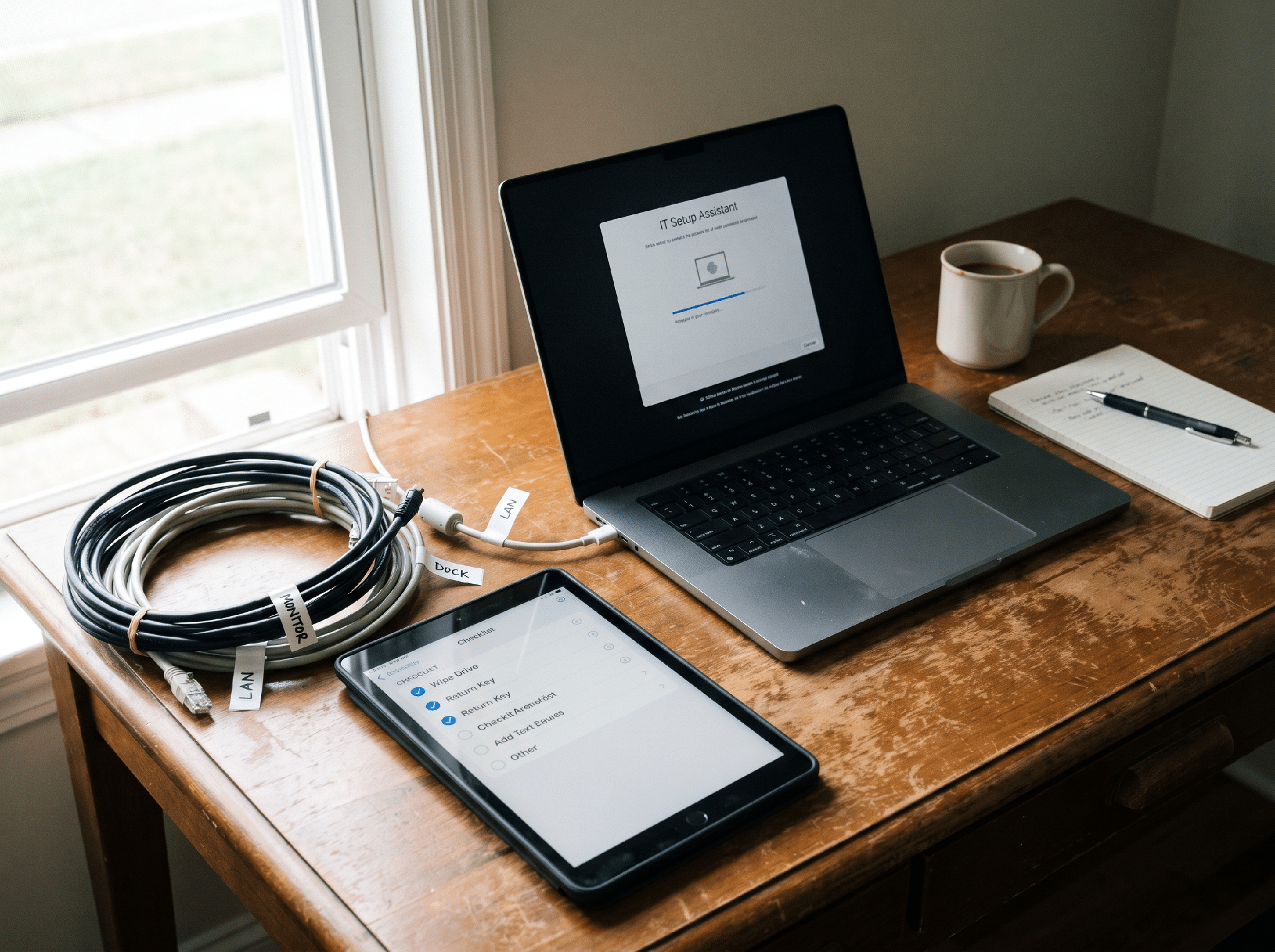


Software today runs everything from apps to banking systems. Even small errors can create real problems for users and businesses, making reliable software more important than ever.
This is where the idea of what software quality assurance is becomes important, a practice that shapes how teams approach building dependable software from the very beginning.
Rather than treating quality as a final checkpoint, it’s woven into everyday development work, influencing how teams plan, build, and review software at each stage.
Keep reading to see how it actually works throughout the development process and why it matters far more than most people think.
What is Software Quality Assurance?
SQA (Software Quality Assurance) is a structured process used across software development to ensure consistent quality, reliability, and compliance with requirements. I’ve seen teams treat it like a final step, even though it runs through the full workflow.
It focuses on preventing defects through structured process controls instead of only finding bugs later in testing. This changes how teams plan, build, and review work from the start.
It applies across the full SDLC, not just the testing phase at the end. That’s where confusion usually builds when SQA gets mixed with testing alone.
Most confusion comes from thinking it only matters when something breaks in production. In reality, it is part of how software is built from day one.
What Does a Software QA Engineer Do?
A software QA engineer helps apply SQA practices during development by ensuring quality standards are consistently followed from the start of a project.
In practice, they review requirements before development begins and flag gaps that could create issues later in the process or during release cycles.
They usually sit inside development teams, not outside them, which makes their role part of the daily workflow rather than a separate checkpoint at the end.
Overall, they help reduce recurring mistakes by tightening the flow of work through the system and ensuring standards remain consistent amid changing project needs.
What Software Quality Assurance Includes Across the SDLC?
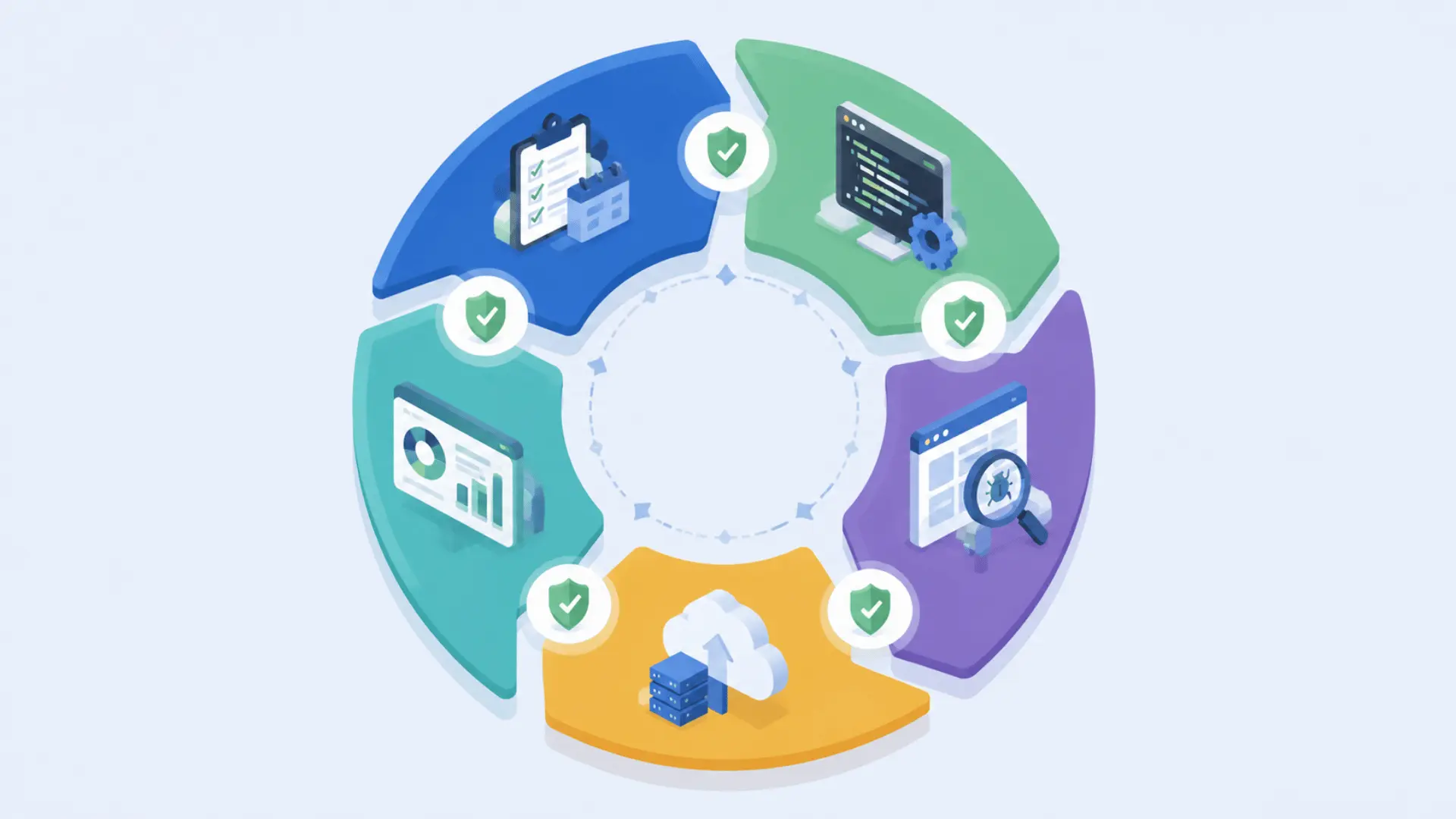
Software quality assurance becomes clearer when you stop thinking of it as a single activity and start seeing it across the full development flow.
It works by placing quality controls into planning, coding, and release so issues get caught early, not after deployment.
In Agile and DevOps setups, this process becomes continuous and automated, with checks running alongside development instead of after it finishes.
When early standards are weak or skipped, defects usually slip into production and become much harder to fix later.
Planning and Standards Setup
This stage defines how quality will be measured before any code is written. It sets expectations so teams don’t have to guess later in development.
Teams decide rules, acceptance criteria, and review methods that guide all future work. These early decisions reduce confusion once coding starts.
Without this setup, teams often build in different directions, which leads to inconsistent output and missed requirements.
Development-Stage Checks
During development, quality is checked through reviews, audits, and automated scans. These steps catch issues while the code is still being written.
Developers and QA teams work closely here to ensure standards are actually followed, not just documented.
Static analysis tools also help flag risky patterns early, reducing the chance of hidden defects reaching later stages.
Release and Monitoring Validation
Before release, systems go through final checks to confirm stability, performance, and readiness for users.
After deployment, monitoring tools track real usage to catch issues that only appear under live conditions.
This feedback loop helps teams adjust quickly when unexpected behavior shows up in production.
How is Software Quality Assurance Different from Software Testing?
At first glance, SQA and testing can feel similar, but they solve different problems in software development. The difference shows up in how work is controlled versus how it is checked.
SQA improves how software is built, while testing focuses on finding issues in finished software.
In regulated industries, SQA becomes more critical because compliance depends on how the process is followed, not just output quality.
Treating testing as full SQA weakens prevention systems and often leads to more issues reaching production later.
Process-Focused SQA
This side focuses on how software is created, not just whether it works at the end.
It sets rules and systems that guide development so mistakes are less likely to happen in the first place.
- Process control: Defines how teams should build and review software.
- Standards enforcement: Ensures consistent practices across all development stages.
- Prevention focus: Reduces defects before they enter the codebase.
SQA here is more about shaping the workflow than inspecting finished output after development.
Product-Focused Testing
Testing focuses on the actual software output and checks whether it behaves as expected.
It happens after the code is written and mainly involves finding bugs that already exist.
- Functional checks: Validate whether features work as intended.
- Error detection: Identify issues in behavior, performance, or usability.
- Execution-based: Runs the software to observe real outcomes.
Testing reacts to problems in the product, rather than preventing them during development.
Why Does Software Quality Assurance Matter?
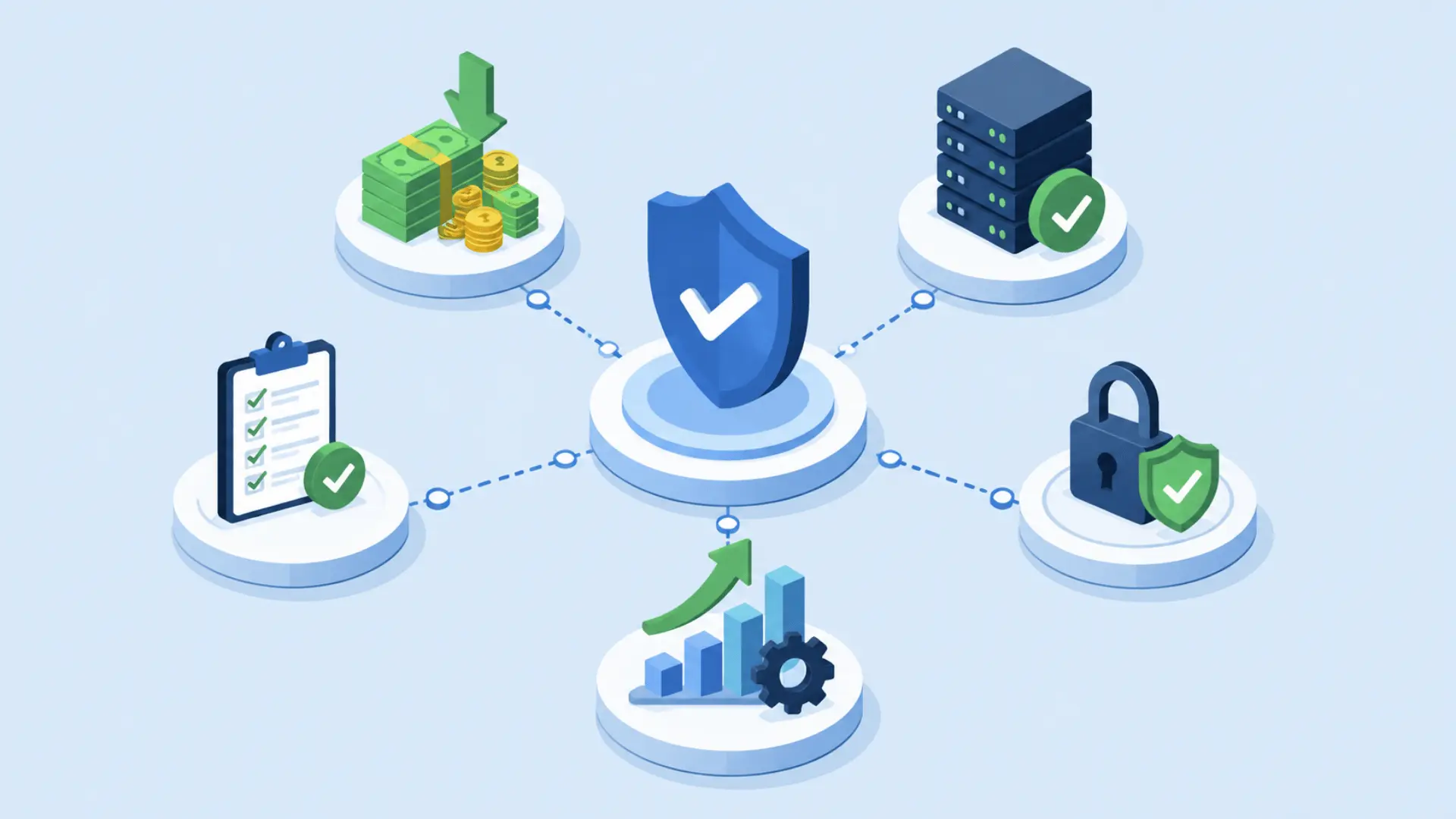
Software quality assurance plays a significant role in keeping software stable, reliable, and cost-efficient when applied from the early stages of development.
- Cost reduction: Early defect prevention avoids expensive fixes later in production.
- Reliability improvement: Strong processes reduce system failures and unexpected crashes.
- Compliance support: Regulated industries depend on controlled development practices.
- Risk control: Structured checks reduce security and performance issues over time.
- Stability impact: Weak SQA increases the chances of post-release instability and downtime.
SQA matters because it prevents minor development issues from becoming costly production failures that affect users, systems, and long-term software stability.
Conclusion
Software quality assurance spans every stage of development, from planning decisions to final release checks, shaping how teams build stable, reliable products over time.
Understanding what software quality assurance is helps make sense of why prevention matters more than fixing issues after users have already experienced them in production.
Once this idea clicks, it becomes easier to see how small process improvements early on reduce bigger failures later, making software more consistent and easier to maintain.
Start observing how quality is handled in real projects around you, and notice where early checks could prevent problems from growing.
Frequently Asked Questions
What are the main goals of software quality assurance?
The main goals of SQA are to ensure that software meets defined requirements, follows consistent development standards, and performs reliably throughout its lifecycle. It focuses on preventing defects early, improving maintainability, and ensuring compliance with industry regulations before release.
Is software quality assurance only about testing?
No. SQA is broader than testing. It focuses on improving development processes to prevent defects, while testing focuses on identifying issues in finished software. Both work together, but SQA spans the entire development lifecycle rather than only the testing phase.
Where does SQA fit in the software development lifecycle?
SQA is integrated throughout the entire software development lifecycle, including planning, design, development, testing, and deployment. It is not limited to a single phase. Instead, it ensures that quality standards are consistently applied at every stage of software development.
What does a software QA engineer do?
A software QA engineer applies SQA principles during development by defining quality standards, reviewing requirements, and supporting process checks across teams. The role focuses on preventing defects early and ensuring consistent execution of quality practices before software reaches production.