
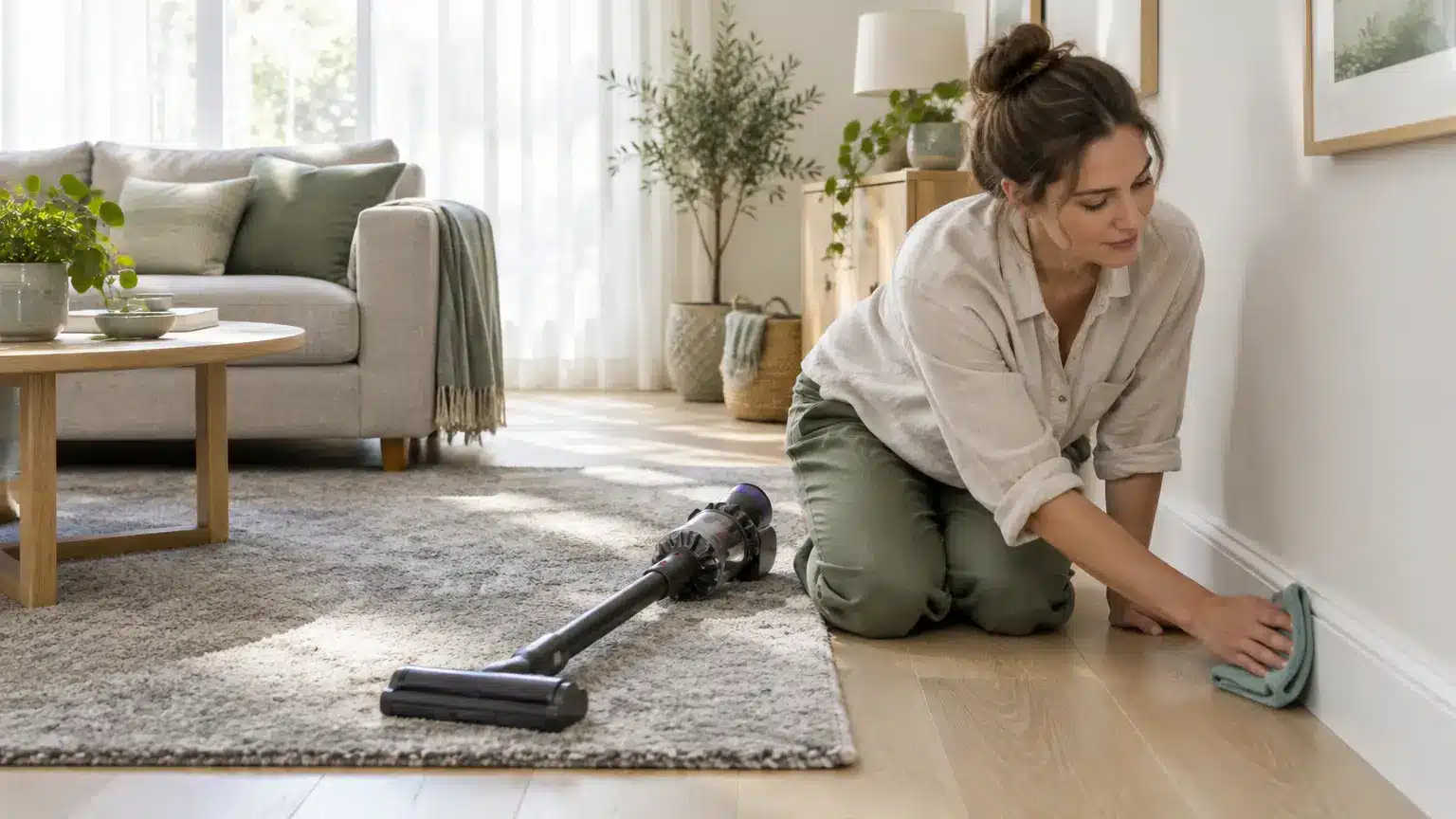
A truly effective cleaning routine does more than make surfaces look presentable—it helps cut down on the settled dust, pet dander, pollen, and other particles that build up in a home over time. And how you clean often matters just as much as how often, since different surfaces and spaces call for different approaches. Many households lean on a mix of tools to stay on top of this, and a cordless vacuum can be handy for quickly clearing loose debris from floors, stairs, and those awkward corners that are easy to neglect. Still, equipment is only part of the equation. A consistent routine, done in the right order, tends to deliver better results over time than sporadic deep cleans.
Start With a Room-by-Room Assessment
Cleaning needs shift depending on flooring type, foot traffic, whether you have pets or kids, how often you cook, and whether anyone in the household deals with allergies or asthma. Before locking in a schedule, it’s worth walking through your home to see which spots gather dust or grime fastest.
It also helps to separate three distinct goals: routine cleaning (clearing away everyday dirt, dust, and crumbs), targeted cleaning (handling spills, stains, or pet hair as they happen), and disinfection (reducing harmful microorganisms). The CDC recommends cleaning visibly dirty surfaces on a regular basis, while saving disinfection for situations where it’s actually warranted—say, when someone in the household is sick [2][5].
Picture a household with hard flooring downstairs, carpeted bedrooms, a dog, and a family member who’s sensitive to dust. In that scenario, the entryway probably needs daily attention thanks to tracked-in grit, the living room calls for more frequent vacuuming because of pet hair, the bedrooms might only need weekly damp dusting, and the kitchen likely needs its surfaces wiped down every day.
Use the Correct Cleaning Order
Working through a space in a logical sequence saves time and keeps you from undoing your own progress. A good rule of thumb is to move from higher surfaces down to lower ones, from cleaner areas toward dirtier ones, and from dry tasks to damp ones—finishing one room before starting the next.
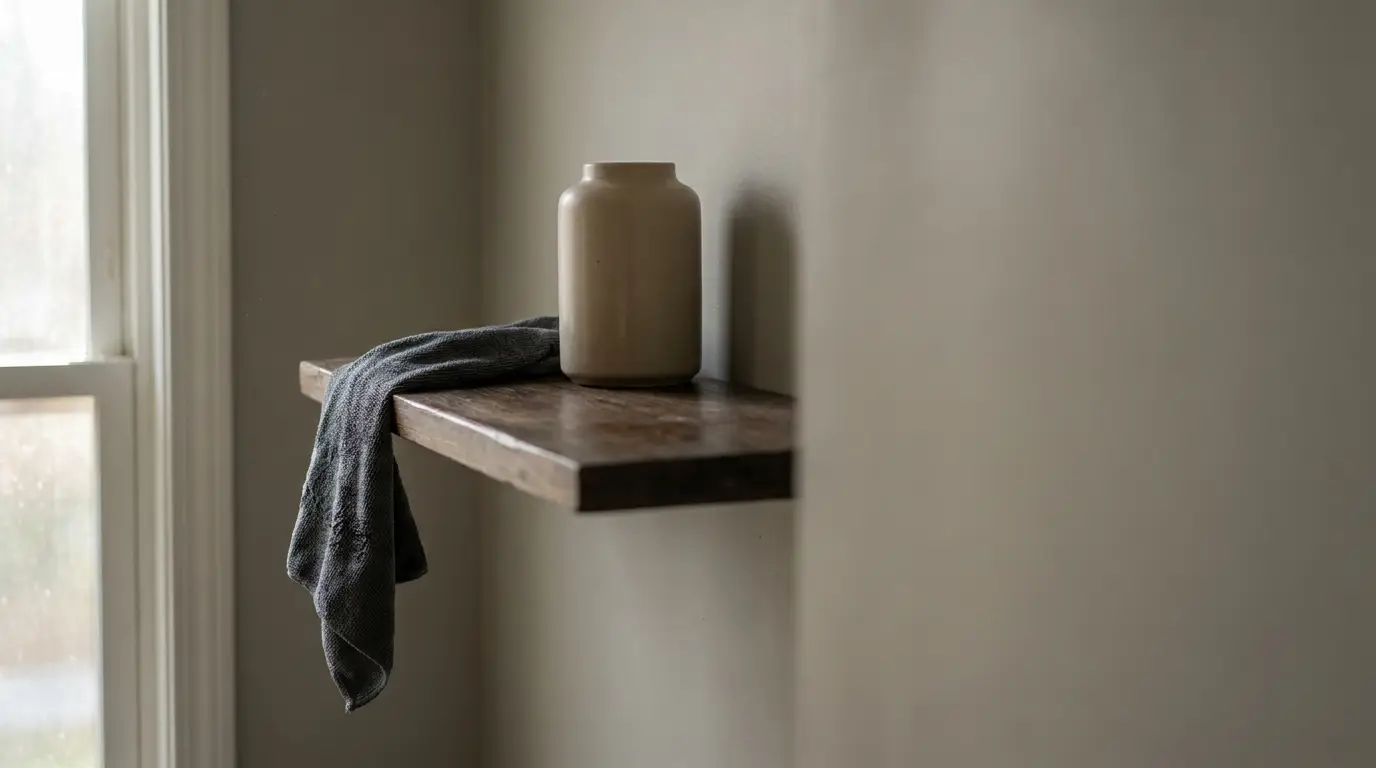
Dusting before you tackle the floors keeps debris from resettling on surfaces you’ve already cleaned. And rather than dry dusting, which tends to kick particles into the air instead of removing them, a damp microfiber cloth or similar dust-trapping tool works better. The American Lung Association specifically points to damp cloths, damp mops, or dusters built to trap dust rather than scatter it [1]. Baseboards, shelves, blinds, window sills, molding, and furniture edges are some of the spots people tend to forget.
Best order for most rooms:
- Declutter loose items
- Dust elevated and overlooked surfaces
- Wipe high-touch surfaces as needed
- Remove floor debris
- Mop hard flooring when necessary
- Launder or clean reusable tools afterward
Match the Method to the Surface
Hard flooring does best when loose grit is cleared away before any damp mopping, since that grit can scratch the surface once it’s wet. Too much water can also damage certain wood, laminate, or engineered floors, so it’s smarter to follow the manufacturer’s care instructions rather than apply a blanket approach to every floor in the house.
Carpets and rugs, meanwhile, tend to hold onto dust, pollen, pet dander, and other particles far more than hard surfaces do. The EPA recommends vacuuming carpets and furniture on a regular basis and suggests a vacuum with HEPA filtration to help keep dust buildup in check [6]. That said, HEPA filtration isn’t a cure-all for allergens—keeping the vacuum itself properly maintained still matters.
As for upholstery, stairs, and edges, using the right attachments for fabric, corners, and crevices makes a real difference. The areas under furniture and along edges are easy to overlook, yet they collect dust just as steadily as anywhere else. And whenever you’re trying a new cleaning product, it’s worth testing it on a small, hidden spot first to avoid damaging delicate fabrics or finishes.
It’s worth keeping in mind that cleaning and disinfecting aren’t the same thing. Removing visible debris, capturing fine particles, and chemically reducing microorganisms are three separate goals, and each one calls for its own method.
Adjust the Routine for Dust and Allergens
Household dust is rarely just dust—it’s often a mix of pollen, pet dander, and dust-mite matter, among other biological particles. Dust mites in particular are a well-known trigger for people with allergies and asthma [1][4]. Regular cleaning can meaningfully cut down on these indoor allergens, though it won’t eliminate them entirely; the EPA frames cleaning as a way to lower exposure rather than a guarantee of a fully allergen-free home [3].
Practical steps include damp dusting, regular care for floors and upholstery, washing bedding according to its label, cutting back on unnecessary clutter, and keeping indoor humidity under 50% where possible—especially helpful for households sensitive to dust mites [4]. One thing worth noting: cleaning itself can temporarily stir particles into the air. The EPA points out that vacuuming may briefly raise airborne mite allergens, and high-efficiency filtration can help offset that effect [3]. People who are especially sensitive might consider stepping out of the room during more intensive vacuuming sessions.
Build a Sustainable Cleaning Schedule
Rather than chasing daily perfection, a schedule built around actual need tends to hold up better over time:
- Daily or as needed: spills, visible dirt, kitchen surfaces, high-touch areas
- Several times weekly: entryways, high-traffic areas, pet zones
- Weekly: carpets, rugs, upholstery, bedding, thorough dusting
- Periodically: behind furniture, vents, curtains, light fixtures
Naturally, this frequency should climb if you have pets, heavy foot traffic, renovation dust, young kids, allergies, or illness in the house. Think of this as a flexible starting point rather than a strict rulebook.
Avoid Common Cleaning Mistakes
Some of the most frequent missteps include dusting after mopping (rather than before), using too much water on moisture-sensitive flooring, treating cleaning and disinfecting as interchangeable tasks, applying disinfectant to a surface that hasn’t been cleaned first, mixing bleach with other products, skipping manufacturer instructions, forgoing ventilation when using strong chemicals, and forgetting to replace filters, mop heads, or cloths as recommended.
The CDC advises cleaning surfaces before disinfecting them and following the manufacturer’s instructions for proper contact time [2]. Chemicals should always be kept well away from children and pets, and it’s wise not to assume any single product or tool can single-handedly prevent illness.
Real-World Examples Without Overpromising
A pet-owning household might prioritize entryways, upholstered furniture, and pet resting spots. A household managing allergies might instead lean toward damp dusting, careful bedding maintenance, and humidity control. Either way, the goal is practical exposure reduction—not the complete elimination of every particle in the house.
Key takeaway: A consistent, correctly sequenced cleaning routine tends to beat infrequent, intensive cleaning sessions in the long run.
A More Sustainable Approach to Home Cleaning
Start by assessing your household’s actual needs, dust before you clean the floors, match your method to each surface, and treat disinfection as a targeted step rather than a routine default. If allergy or asthma symptoms persist, it may be worth speaking with a qualified healthcare professional. Pick one manageable zone to start with, pay attention to how dust and traffic behave there, and adjust from that point forward. In the end, an effective routine should be consistent, safe, adaptable, and proportionate to your home’s actual needs—not unnecessarily intensive.