

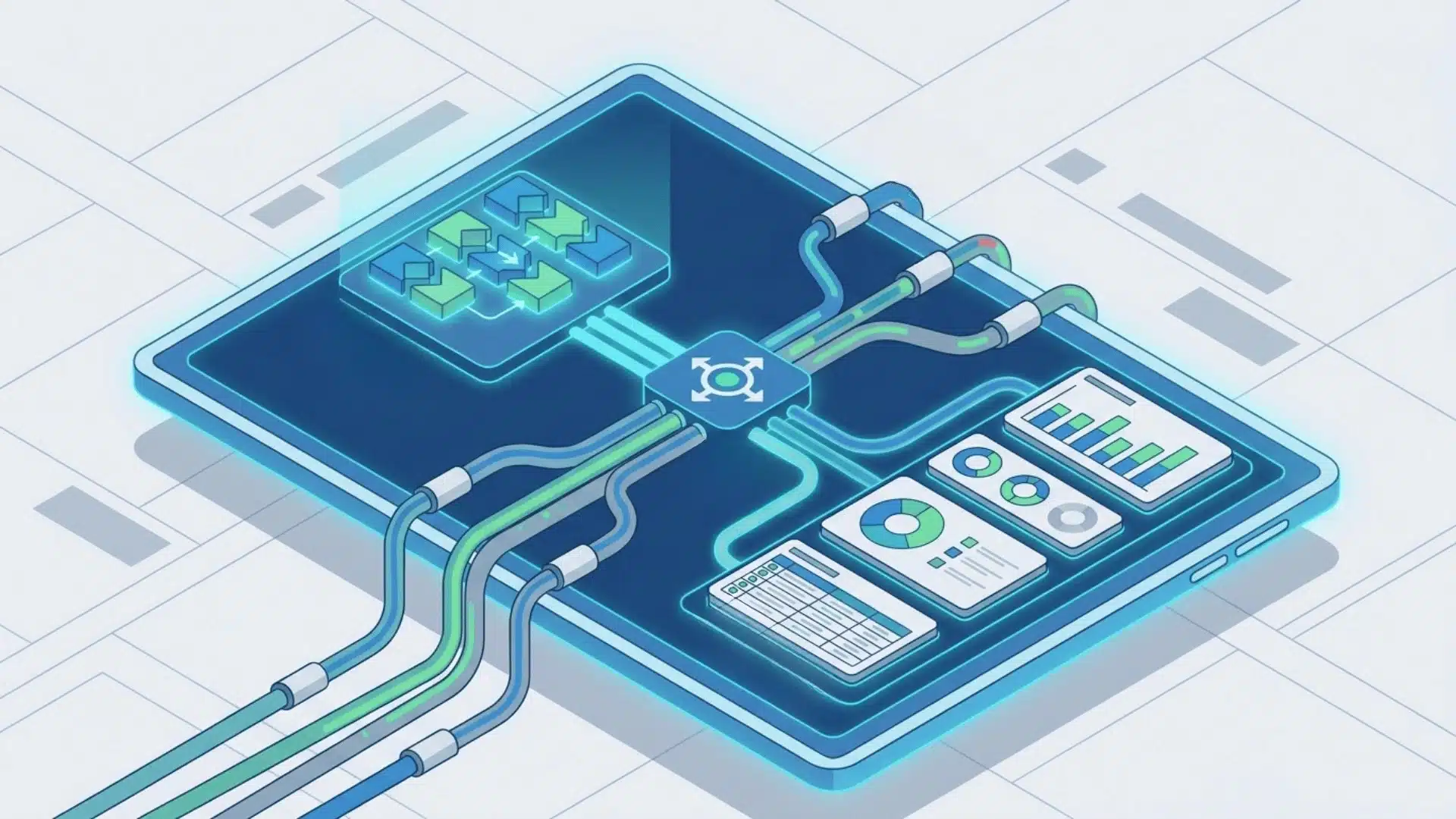
Running a business on spreadsheets and email threads works fine until the cracks start showing up faster than you can patch them. Immorpos35.3 software sits in the gap between basic tools and full enterprise systems.
It’s built for the stage most small and mid-sized businesses actually find themselves in, past the point where manual coordination works, but not yet ready for the complexity of a full ERP.
This is a closer look at what it does, who it’s right for, how security works, and what to watch out for before you commit.
Understanding Immorpos35.3 Software
Immorpos35.3 is a business process automation and management platform built for small to mid-sized organizations. It sits in the mid-tier of the market, more capable than basic project tools, but not on the scale of a full enterprise system.
Growing businesses often hit a point where tasks start falling through the cracks. Spreadsheets stop cutting it, emails get missed, and reports take too long to pull together.
Immorpos35.3 is designed to fix that without the complexity of a full ERP overhaul. It works as a centralized hub, one place where your workflows run and your data feeds in from connected tools.
Reports generate automatically, so you’re not chasing numbers across separate systems. You’re not jumping between five systems to get a clear picture of what’s happening in your business.
It’s not built to replace core financial or HR infrastructure. It’s built to bring order to the operational layer beneath all of that.
What Does Immorpos35.3 Actually Do?
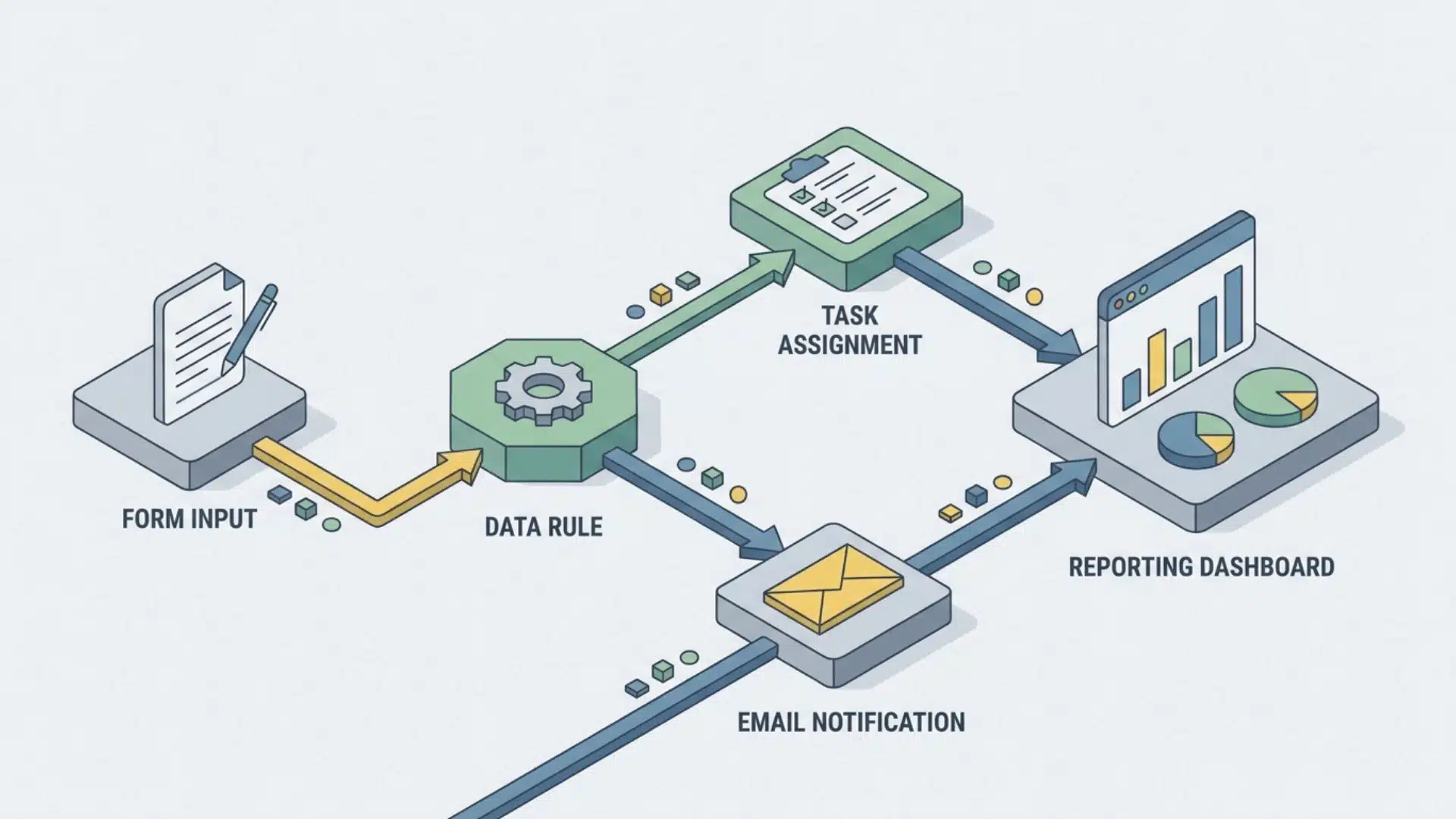
Immorpos35.3 pairs two components, a workflow automation engine and an analytics layer, that run as one connected system rather than separate tools. The automation handles the work, the analytics studies the result, and each one feeds the other.
How the Workflow Automation Engine Works
At its simplest, the engine runs on trigger-rule-action logic. An event fires, a form gets submitted or a deadline passes, and the platform routes the task forward on its own.
But it goes a step further than a fixed rulebook. The engine references your historical task-completion data, how long jobs actually take and where they stall, and reweights new assignments based on that record.
Picture a queue where one team member is quietly overloaded. Instead of routing the next task to them by default, the engine sees the pattern forming and shifts the work elsewhere before the bottleneck appears.
You set the conditions once, and the system keeps adjusting them against reality.
What the Analytics Layer Surfaces
The analytics layer is not a standard dashboard that just displays numbers you already track. It reads the data your operations generate and pulls out patterns you would not catch by eye.
That includes staff productivity trends, shifts in customer behavior, and hidden profit leaks buried inside processes you assumed were running fine. Instead of reporting what happened, it points to why, and to what is quietly costing you.
How the Two Components Connect
Here’s what sets the platform apart. The automation and analytics layers are not parallel features sitting side by side, they form a loop.
The analytics layer feeds on the data the automation engine produces, and its findings flow back into the automation logic to sharpen how work gets routed. One side acts, the other learns, and the system improves itself with every cycle.
Who Is Immorpos35.3 Built For?
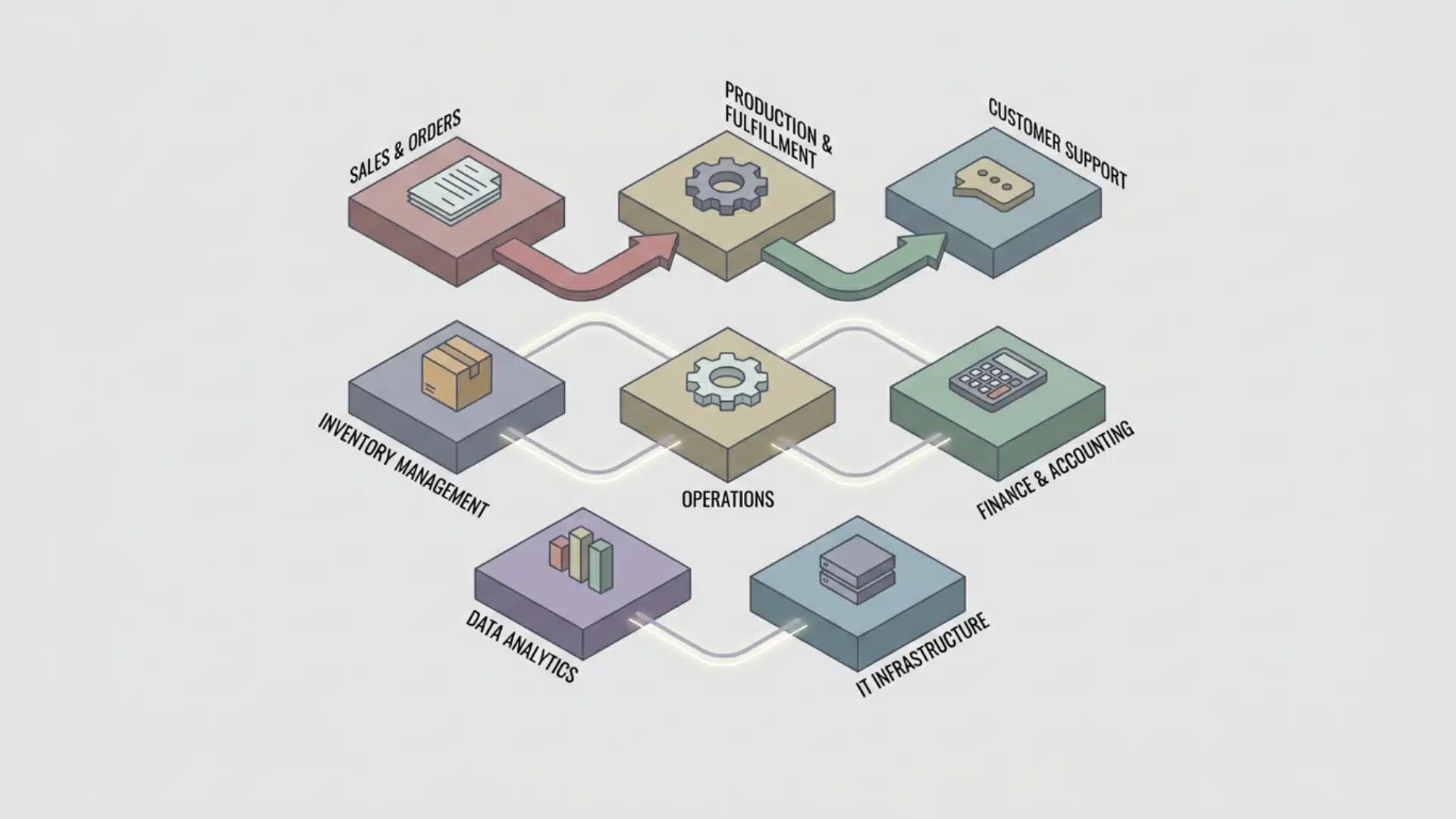
Immorpos35.3 is built for small to mid-sized organizations that have outgrown spreadsheets but aren’t ready for a full enterprise system. That’s a specific stage, and the platform is designed around it.
It works well when your workflows sit at the department level. Task routing, onboarding sequences, customer follow-ups, and performance reporting across a small team are the processes it handles well.
It’s not the right fit for organizations running complex multi-entity structures or deep legacy integrations. Stretching the platform past its intended scope is where expectations break down.
The clearest signal you need something like this is operational friction.
Your team is spending real time on things that should run automatically. Reports take too long to pull, and approvals get stuck waiting on the wrong person.
That’s the moment Immorpos35.3 is designed for, not before it or well past it.
Why Do Immorpos35.3 Implementations Fail?
Immorpos35.3 is straightforward to set up. Most failures don’t come from the platform itself, but from how it is introduced into existing systems and workflows.
Common issues usually fall into two patterns, and both have direct fixes:


When these two areas are handled upfront, Immorpos35.3 tends to run smoothly. Most “failures” are not system issues, but preparation gaps that show up during implementation.
Wrapping Up
Operational chaos rarely announces itself. It builds slowly, with missed handoffs, stale reports, and processes that depend on the right person remembering the right thing at the right time.
Immorpos35.3 software is designed to remove that dependency without burying your team in a system too complex to actually use.
The businesses that get the most out of it aren’t necessarily the most technical. They’re the ones that standardize before they automate and connect clean data before they consolidate it.
If that sounds like work you’re ready to do, the platform gives you a solid structure to build on. Take a closer look at whether it fits your current operations.
Frequently Asked Questions
Is Immorpos35.3 the same as ERP software?
No, they operate at different levels. ERP systems manage core business functions such as accounting, inventory management, and HR across an entire organization. Immorpos35.3 focuses on automating department-level workflows and consolidating operational data. It’s a better fit for teams streamlining specific processes than for companies replacing foundational business infrastructure.
What kinds of tasks can Immorpos35.3 automate?
It handles anything that follows a consistent if-then logic, approval routing, employee onboarding sequences, customer follow-up triggers, and automated report generation. If a task runs the same way every time it occurs, it’s a candidate for automation inside the platform.
Why is keeping Immorpos35.3 updated important?
Updates address security patches, integration compatibility, and workflow engine improvements. Running an outdated version leaves known vulnerabilities unpatched and risks breaking connections with third-party tools that have updated their own systems since your last install.
How long does it take to implement Immorpos35.3?
It depends on how standardized your existing processes are before you start. Teams with documented, consistent workflows can configure basic automation within days. Organizations with informal or variable processes typically spend several weeks mapping and standardizing before meaningful automation is possible.