

Artificial intelligence is making big moves in healthcare, and radiology is right at the center of it. Headlines claim AI is already reading scans better than doctors.
Some hospital executives are openly talking about cutting radiology teams. It’s easy to feel like the profession is on borrowed time.
But the real picture is more layered than that.
This blog breaks down what AI can actually do in radiology today, where it still falls short, and what the future most likely looks like for the profession.
The Direct Answer: Will AI Replace Radiologists?
The short answer is: not fully, but significantly. AI is already replacing certain tasks within radiology. It is not, however, replacing the radiologist as a whole.
There’s a big difference between the two. Task-level replacement means AI handles specific parts of the job, like flagging abnormalities or drafting initial reports.
Role-level replacement would mean AI takes over everything a radiologist does. That second scenario is not happening anytime soon.
Most industry experts align around the augmentation narrative: AI works alongside radiologists, not instead of them. Some hospital executives, though, are pushing harder toward AI-first workflows to cut costs.
There’s a third framing that’s gaining real traction among practitioners and researchers: radiologists who use AI will replace radiologists who don’t.
The risk isn’t the technology replacing the profession wholesale; it’s individual practitioners falling behind it. That puts the pressure squarely on adaptation, not just survival.
The result is a profession being restructured, not eliminated.
Why Radiology is the First Target for AI Disruption
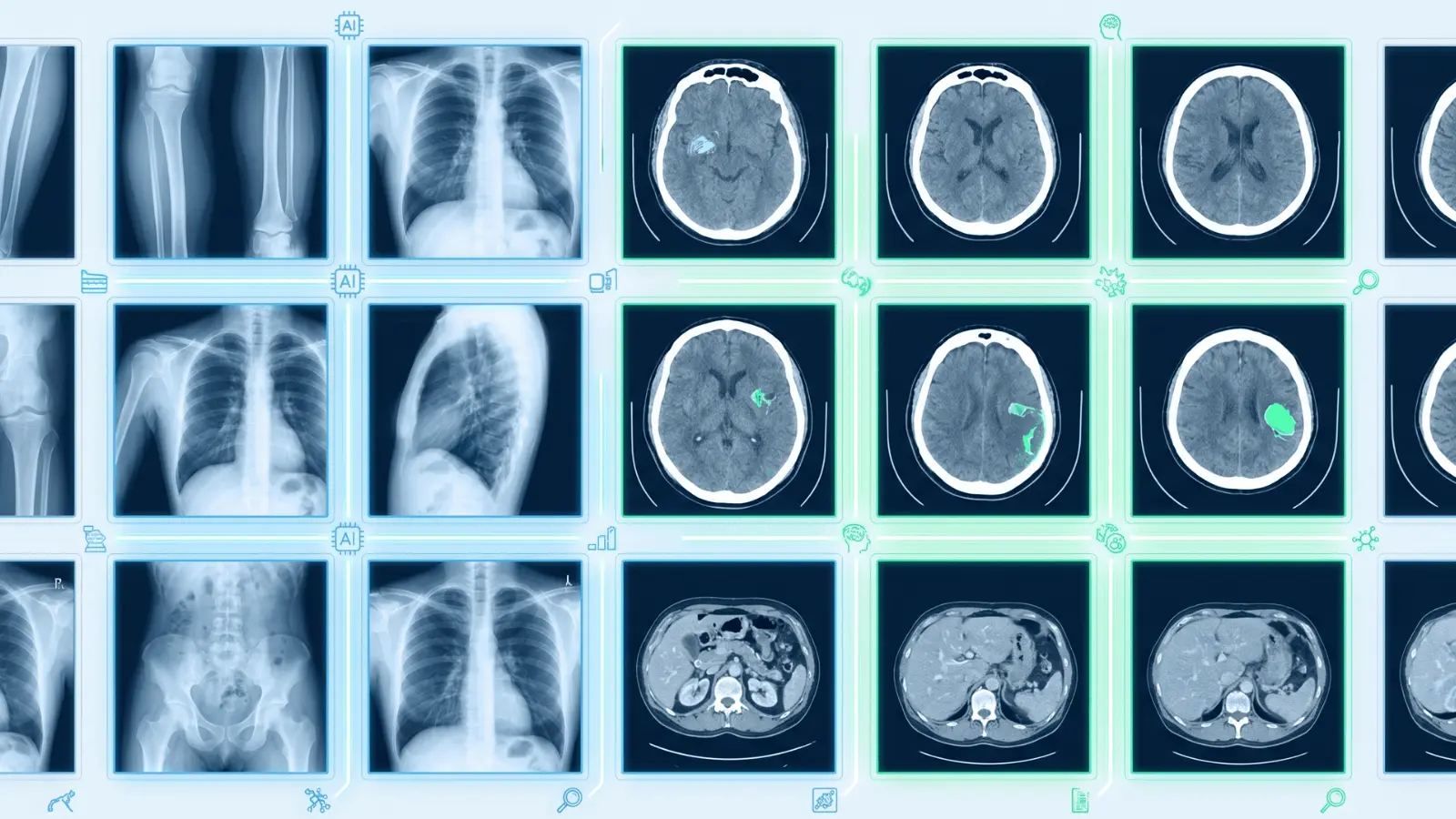
Radiology became ground zero for AI disruption for one simple reason: it’s image-based and pattern-driven.
AI systems are exceptionally good at:
- Recognizing patterns across thousands of images
- Training on large labeled datasets
- Running repetitive analysis at scale without fatigue
Compared to other medical specialties that rely heavily on conversation, physical examination, or complex reasoning, radiology is far more automatable.
Hospitals have already begun testing AI tools for chest X-rays, mammograms, and CT scans. These are high-volume, pattern-heavy tasks, exactly what AI does well.
That said, AI runs into real problems when scan data is ambiguous or when understanding the broader patient context is critical. In those situations, human judgment still leads.
What AI Actually Does in Radiology Today
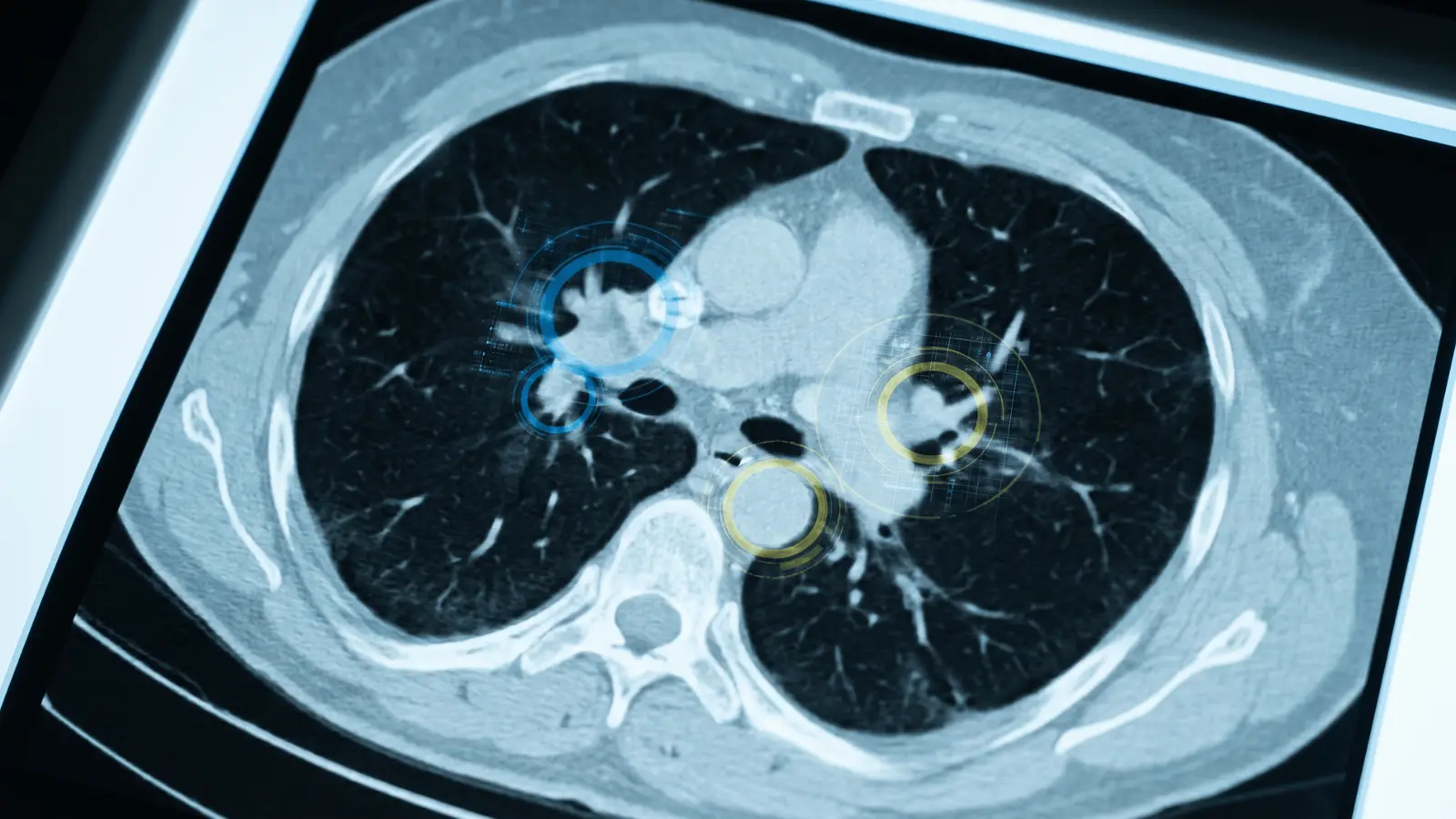
AI in radiology is already active, not just theoretical. Here’s where it’s being used right now.
Detection and Flagging Systems
AI scans images and highlights regions that look abnormal. It can also sort cases by urgency, pushing high-risk scans to the front of the queue.
This works because AI can process thousands of images far faster than a human team. The limitation is clear, though, AI can flag, but it cannot confirm a diagnosis on its own.
Automated Report Drafting
Some AI systems now generate the first draft of a radiology report by combining image analysis with language models.
This significantly speeds up the reporting workflow. But every AI-generated draft still needs a radiologist to review and validate it before it goes anywhere near a clinical decision.
Workflow Optimization
AI triages cases based on urgency and helps reduce the backlog that plagues many radiology departments.
The practical outcome: radiologists spend less time on routine, low-complexity scans and more time on cases that genuinely need expert attention.
Where AI is Already Matching or Beating Radiologists
This is where the replacement conversation picks up steam, and for good reason.
In specific, narrow tasks, AI performance is impressive:
- Mammogram detection: AI has matched or exceeded radiologist accuracy in several large studies
- Chest X-ray analysis: AI tools have shown strong results in detecting pneumonia, nodules, and fractures
- Consistency: AI doesn’t have bad days. Human performance varies with fatigue and experience. AI stays consistent.
The reason AI performs so well here is straightforward: it’s trained on massive labeled datasets and gets better with scale.
The critical nuance: being better at one specific task is not the same as being better overall. AI performs well in narrow, well-defined scenarios. It does not have general medical intelligence.
Where AI Still Fails, and Why Full Replacement is Hard
Despite strong performance in certain areas, AI has structural limitations that make full replacement unrealistic right now.
Lack of Clinical Context
AI reads images. It does not read patient history, symptoms, medications, or prior diagnoses.
A radiologist who knows a patient has a history of lung cancer interprets the same scan very differently from one who doesn’t. AI misses those connections entirely.
No Accountability or Legal Responsibility
Radiologists are legally and professionally responsible for every report they sign. AI cannot be held accountable.
Hospitals and legal systems still require a licensed physician to make the final call. Until that changes, which requires massive regulatory shifts, AI cannot replace the radiologist’s role in the chain of accountability.
Edge Cases and Unseen Data
AI models learn from patterns. When a case falls outside the training data, rare conditions, unusual presentations, or atypical patient profiles, AI struggles badly.
Radiologists can reason through something they’ve never seen before. AI cannot.
Algorithmic Bias
AI models are only as reliable as the data they were trained on. When that data doesn’t represent the full range of patients, different ages, body types, equipment types, or demographic groups, the model develops blind spots.
This is called algorithmic bias. It means AI can perform well on one patient population and miss findings in another. It’s an active problem in deployed systems, not a distant theoretical risk. And it’s one more reason a radiologist’s oversight isn’t optional.
Judgment and Communication
Radiologists don’t just read scans. They consult with referring physicians, explain findings to clinical teams, and help shape treatment decisions.
AI has no ability to communicate, interpret ambiguity, or participate in clinical dialogue. That’s a significant gap that technology hasn’t closed.
Why Hospitals are Considering Replacing Radiologists
The replacement conversation isn’t purely about what AI can do. It’s also about money and staffing.
Real operational pressures are driving this:
- Radiologist shortages in many regions mean departments are already understaffed
- Rising healthcare costs push administrators toward cheaper, scalable alternatives
- AI reduces time per scan, meaning fewer radiologists are needed to cover the same workload
Some hospital CEOs have publicly discussed moving toward AI-first radiology models. Several health systems are already piloting workflows where AI handles first reads and humans only review flagged cases.
The outcome of this shift: fewer radiologists per department, but not zero. The economic logic points toward smaller, more efficient teams, not full elimination.
The Most Likely Future: Task Replacement, Not Profession Replacement
Based on current trends, this is where radiology is heading:
Near-term (next 5–10 years):
- AI handles routine scans, first reads, and report drafts
- Radiologists focus on complex cases, edge cases, and final validation
- Workload per radiologist increases, but so does the complexity of what they handle
Long-term:
- Radiology teams get smaller as AI handles more volume
- Radiologists shift into oversight and supervisory roles
- The profession survives, but looks different
The risk in this model is over-reliance. If hospitals cut too many radiologists and AI produces errors without enough human review, patient outcomes suffer. Oversight isn’t optional; it’s the entire point.
What Radiologists Should Do to Stay Ahead
The data points in one direction: radiologists who actively engage with AI tools will hold more value than those who don’t.
In practice, that means a few things:
- Get comfortable with AI-assisted reading platforms and how they fit into existing workflows
- Learn where the tools perform well and where they miss — so you can catch what they can’t
- Shift focus toward clinical consultation, complex diagnostics, and the communication work AI can’t replicate
- Stay close to regulatory and liability conversations, because those decisions will reshape the profession
The radiologist who treats AI as a working partner comes out ahead — in career longevity and in patient outcomes.
Conclusion
AI is changing radiology fast, and that part is certain. It’s already handling tasks that once required full human attention, faster and more consistently than any team could.
But replacing a radiologist entirely means replacing clinical judgment, legal accountability, and the ability to communicate complex findings to a care team. AI isn’t there yet.
The profession is restructuring, not disappearing. Teams will get leaner. The work will get harder. If you’re in radiology or working alongside it, the move is simple: engage with the tools now, before the gap widens.
Frequently Asked Questions
Is radiology going away because of AI?
No. The profession is shifting toward oversight, complex diagnostics, and AI supervision. Routine work is being automated, but the role itself is not disappearing.
How accurate is AI in radiology?
AI performs well in narrow, high-volume tasks like mammogram screening and chest X-ray analysis. For full diagnostic accuracy across all cases, it’s not reliable enough to work without human review.
What is the newest AI in radiology doing?
The latest systems are doing real-time image analysis and generating automated report drafts. Some tools are also being integrated directly into PACS systems to flag findings during scanning.
Will new radiologists still be needed?
Yes, but fewer per unit of workload. Efficiency gains from AI mean one radiologist can cover more cases. Demand for the role won’t disappear, it will just restructure around what AI can’t do.