


I’ve spent years working closely with healthcare content, and one thing always stands out: people understand medical technology better when they see it in action, not just in theory.
The term gets thrown around a lot. But what does it actually look like in a clinic, an operating room, or even on your wrist?
That’s exactly what this blog covers. You’ll find clear examples of medical technology across diagnosis, monitoring, treatment, and access, each one explained by what it does and how it actually works.
Whether you’re a student, a patient, or just someone trying to make sense of modern healthcare, this breakdown will give you a grounded, practical view of the tools shaping care today.
What Counts as Medical Technology
Medical technology includes every tool or system used to support healthcare. This covers both basic equipment and advanced innovations used by professionals and patients.
It is not limited to high-end systems. Everyday tools used in clinics and hospitals are also part of medical technology.
Medical technology can be grouped into key functional areas based on how it supports care.
| Functional Area | Description | Examples |
|---|---|---|
| Prevention | Tools that help reduce the risk of disease before it starts | Vaccines, health tracking apps, screening tools |
| Diagnosis | Technologies that help identify diseases or conditions | Imaging machines (X-rays, MRIs, CT Scans), lab tests |
| Monitoring | Systems that track a patient’s condition over time | Wearable devices, hospital monitoring systems |
| Treatment | Technologies used to manage or cure diseases | Surgical tools, therapy devices, drug delivery systems |
| Care and Recovery | Tools that support healing after treatment | Prosthetics, rehabilitation devices, support systems |
All medical technologies interact with core elements of healthcare.
- Patient data such as scans, reports, and vital signs
- Human biology, including organs, cells, and genetic information
- Physical systems like machines, instruments, and digital platforms
This interaction helps improve the delivery of care. It leads to faster decisions, better accuracy, and safer treatment outcomes.
How to Understand Medical Technology Examples
When you look at different medical technologies, they can feel scattered or complex. Three simple questions help you understand each one clearly and consistently.
Ask These Three Questions
- What problem does it solve? Every tool is designed to fix a specific issue in healthcare, such as delayed diagnosis or limited patient access.
- How does it work? This covers whether the technology processes data, interacts with the human body, or tracks health signals.
- What changes as a result? This is the outcome: improved accuracy, faster treatment, or better patient monitoring.
How Most Medical Technologies Work
Technologies generally fall into one of three approaches:
- Data processing: AI systems and diagnostic tools analyze large datasets to support faster, more accurate decisions.
- Physical intervention: Surgical robots and implants act directly on the body to improve precision and control during treatment.
- Continuous sensing: Wearables and monitoring devices track health in real time, allowing early detection of changes in a patient’s condition.
Why Outcomes Matter
Most technologies share the same core goals: speed up diagnosis, improve treatment precision, and reduce human error. Keeping outcomes in focus helps you connect each technology to its real-world impact.
Using these three questions makes it easier to understand multiple technologies without losing the bigger picture.
Key Medical Technology Examples Across Categories
Medical technologies are easier to understand when grouped by their function in healthcare. This structure helps you see how each one fits into real medical use, rather than viewing them as isolated tools.
Each example below follows a simple flow. It explains the problem, how the technology works, and what outcome it creates in patient care.
Diagnostic Technologies (Detecting Conditions Early)
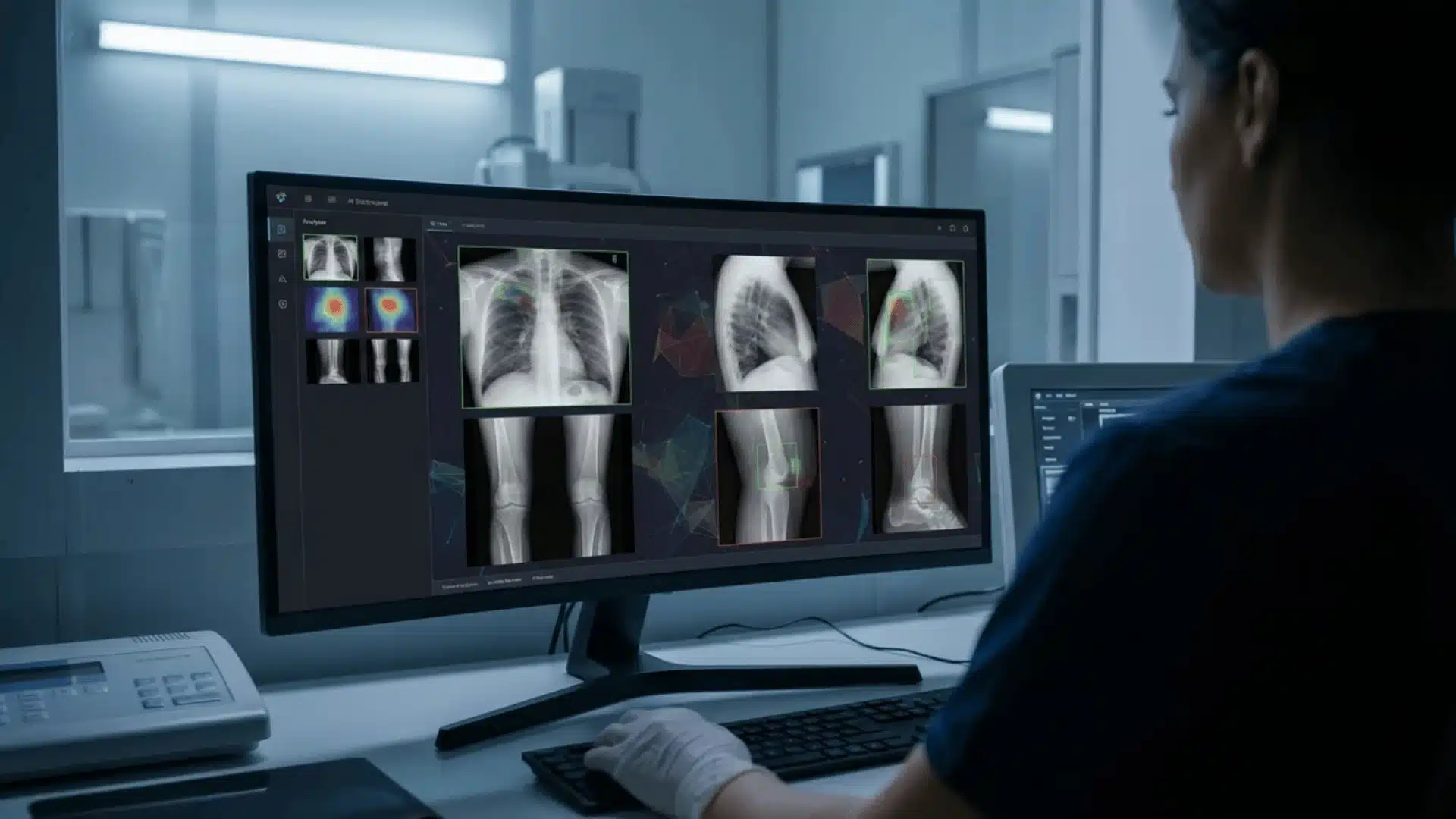
1. Artificial Intelligence (AI) in Medical Imaging
Manual scan analysis takes time and can miss subtle patterns. AI solves this by analyzing large volumes of imaging data quickly.
It uses algorithms trained on medical images to detect abnormalities. This leads to faster, more accurate diagnoses, but results depend heavily on data quality.
2. In Vitro Diagnostics (IVD)
Doctors need internal health data without relying on invasive procedures. Lab-based diagnostics make this possible through the testing of samples.
These systems analyze blood, urine, or tissue to detect diseases early. The outcome is timely diagnosis and monitoring, though accuracy depends on sample handling.
3. Digital Twin Technology
Testing treatments directly on patients carries risk. Digital twins reduce this by simulating patient conditions in a virtual environment.
This works by creating a data-driven model of a patient’s body or organ. It enables safer treatment planning but requires large, accurate datasets.
Monitoring Technologies (Tracking Patient Health)
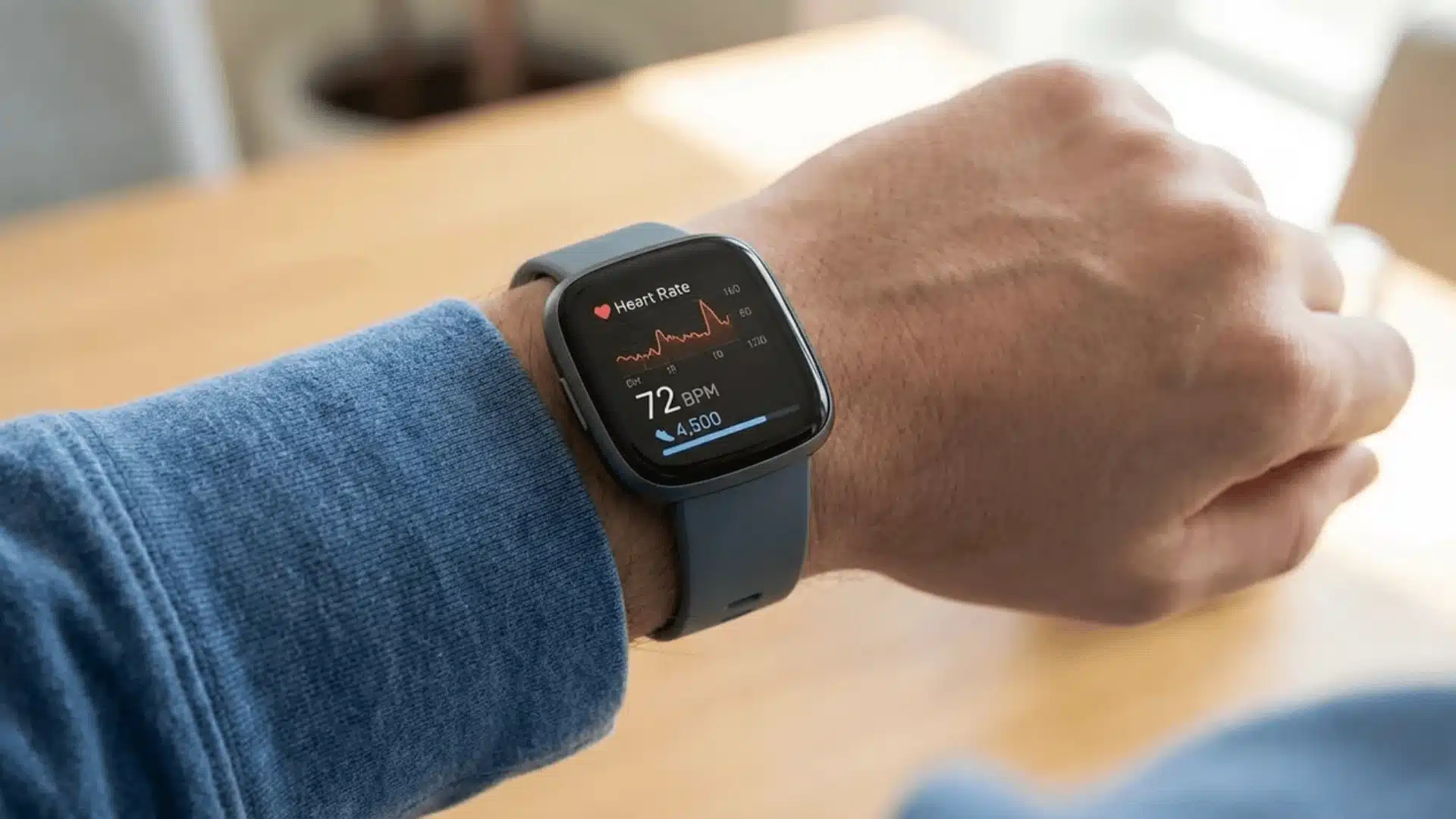
4. Wearable Devices and Biosensors
Patients are not continuously monitored between doctor visits. Wearables fill this gap by tracking health metrics throughout the day.
They use sensors to measure vital signs such as heart rate and glucose levels. This provides real-time insights, though readings can sometimes vary in accuracy.
5. Remote Patient Monitoring (RPM)
Hospitals cannot monitor patients constantly after discharge. RPM systems extend care beyond clinical settings.
Devices collect and send patient data to healthcare providers in real time. This enables early intervention, but it depends on stable internet and system integration.
6. Smart Implants
Traditional implants do not provide feedback once placed in the body. Smart implants address this limitation by adding sensing capabilities.
They use embedded sensors to track internal conditions and adjust treatment if needed. This allows continuous monitoring, but increases complexity and cost.
Treatment Technologies (Direct Medical Intervention)
7. Robotic Surgery Systems
Human hands have limits in precision during complex procedures. Robotic systems enhance surgical control and accuracy.
Surgeons operate robotic arms that perform precise movements with minimal invasion. This improves recovery time, though cost and training remain challenges.
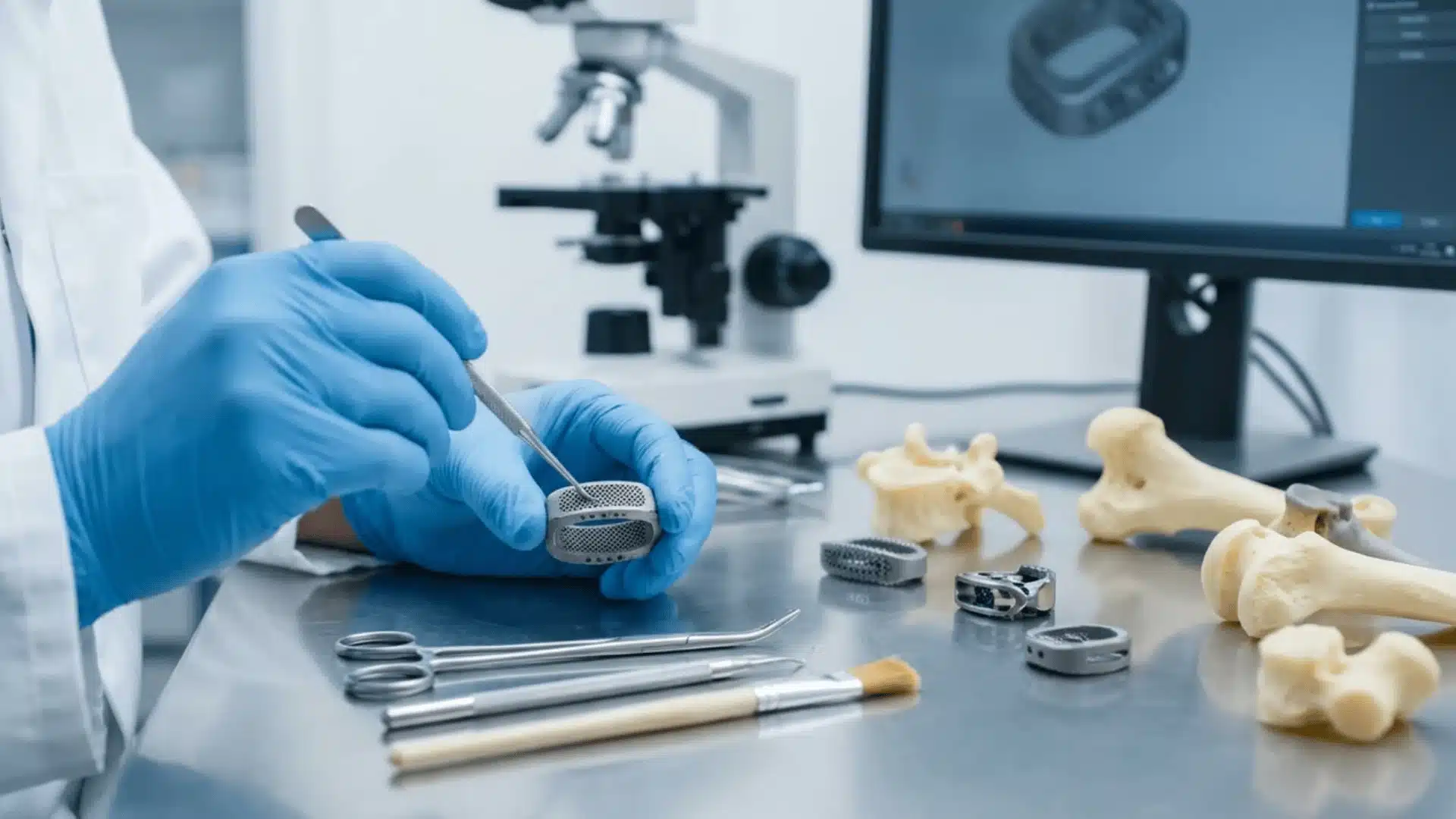
8. 3D Printing in Medicine
Standard medical devices often do not fit every patient. 3D printing solves this by creating customized solutions.
It builds implants and prosthetics layer by layer based on patient data. This improves fit and outcomes, but faces material and regulatory limits.
9. CRISPR Gene Editing
Some diseases originate at the genetic level and cannot be treated with traditional methods. CRISPR targets the root cause by editing DNA.
It modifies specific gene sequences to remove or correct defects. This offers potential cures, but raises safety and ethical concerns.
10. Nanotechnology in Medicine
Traditional drugs affect both healthy and diseased cells. Nanotechnology improves targeting at a microscopic level.
It uses tiny particles to deliver drugs directly to affected cells. This increases precision, though many applications are still under development.
Access and Care Delivery Technologies

11. Telemedicine Platforms
Access to healthcare is limited by distance and availability. Telemedicine removes this barrier through digital communication.
It allows patients to consult doctors via video and online systems. This improves accessibility, though physical examination is still limited.
12. Electronic Health Records (EHR)
Paper-based records slow down care and increase the risk of errors. EHRs solve this by centralizing patient information in a single digital system.
They store medical history, test results, prescriptions, and visit notes in one place. Doctors and nurses can access and update this data instantly, which leads to faster decisions and fewer mistakes. The main challenge is that different systems don’t always communicate with each other easily.
13. Mobile Health (mHealth) Applications
Patients often struggle to stay consistent with treatment plans. Mobile health apps help manage daily health activities.
These apps track data, send reminders, and support communication with providers. They improve adherence, but depend on user engagement.
Training, Support, and Emerging Technologies
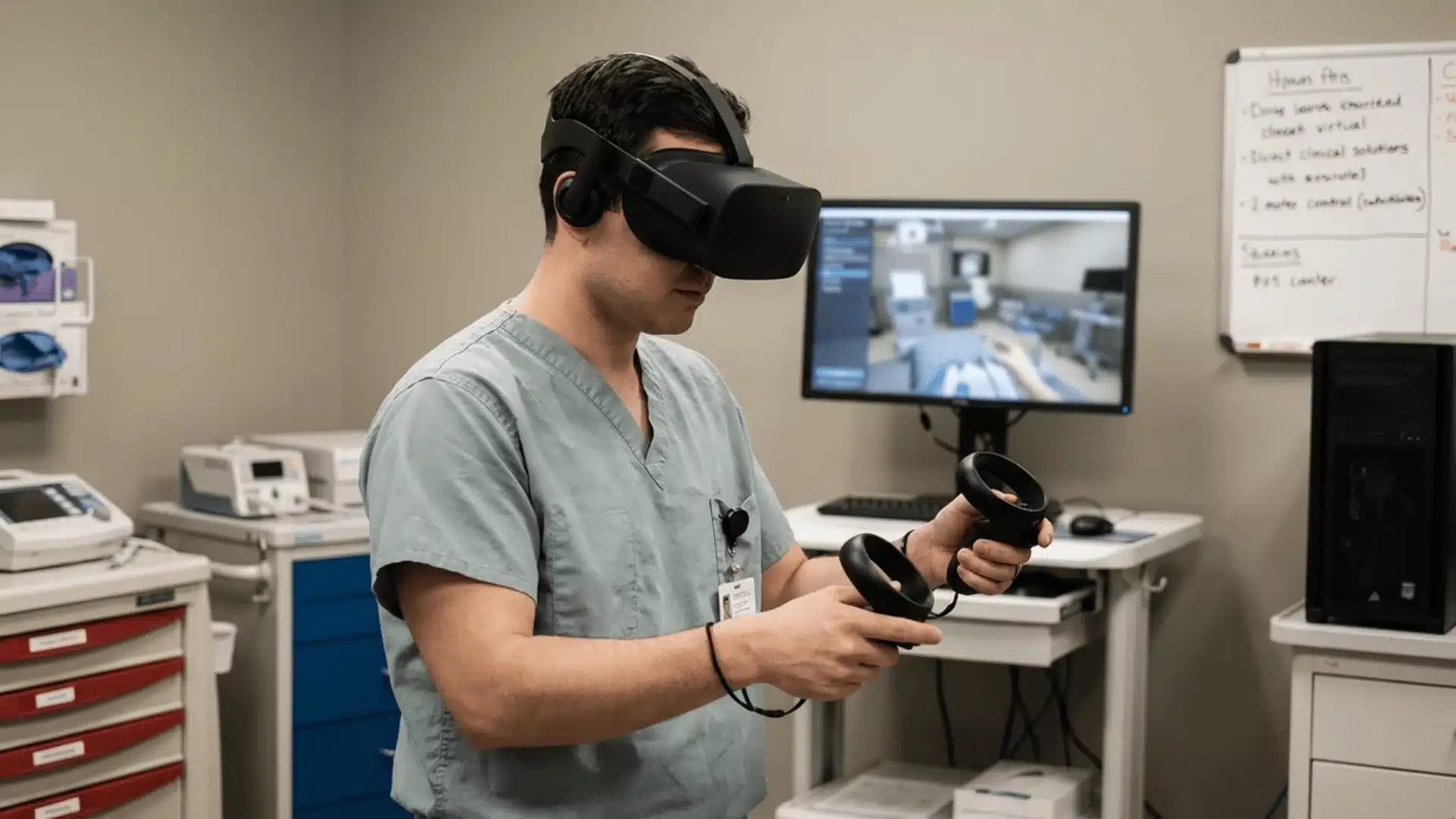
14. Virtual Reality (VR) in Healthcare
Training and therapy can be limited by real-world risks. VR creates controlled environments for safer practice and treatment.
It simulates real scenarios for medical training and mental health therapy. This improves learning and recovery, though not suitable for all patients.
15. Neurotechnology
Treating brain-related conditions is complex due to limited direct access. Neurotechnology enables interaction with brain activity.
Devices read or stimulate neural signals to manage disorders. This improves outcomes for some conditions, but it is still evolving.
16. Bioprinting
There is a shortage of donor organs for transplantation. Bioprinting aims to create biological tissues on demand.
It uses living cells to print tissue structures layer by layer. This could solve organ shortages, but it is not yet widely available.
These examples show how medical technology works across different areas of healthcare, with each innovation solving a specific problem and improving care delivery in real-world settings.
Common Misconceptions About Medical Technology
Medical technology is often misunderstood because people focus on trends rather than real-world use. Clearing these misconceptions helps build a more accurate understanding of how healthcare actually works.
- Only futuristic tools count: Basic devices like imaging machines and monitors are just as essential as advanced technologies
- Technology replaces doctors: These tools support decisions, but doctors remain responsible for patient care
- More technology means better care: Poor implementation can reduce efficiency and create new problems
- All technologies are widely available: Access depends on cost, infrastructure, and trained professionals
Understanding these points makes it easier to see medical technology as a practical system rather than just a collection of advanced innovations.
Quick Summary of Key Medical Technology Examples
Medical technologies are easier to understand when grouped by their role in healthcare. Here’s how each category connects to real-world use.
- Diagnostic Technologies focus on identifying conditions early. Key examples include AI imaging systems and lab-based tests that detect diseases accurately and quickly.
- Monitoring Technologies track patient health over time. Wearable devices and remote monitoring systems provide continuous data that supports better decision-making.
- Treatment Technologies directly manage or cure conditions. Robotics, 3D printing, and gene editing tools bring greater precision and personalization to care.
- Access Technologies make healthcare more reachable. Telemedicine platforms and mobile health apps help patients connect with providers from anywhere.
- Emerging Technologies expand what healthcare can achieve. Nanotechnology, virtual reality, and digital twins are pushing the boundaries of diagnosis and treatment.
Each category plays a different role, but together they form a complete picture of how modern healthcare works.
Wrapping Up
Medical technology examples highlight how different tools solve specific problems in healthcare. Each one works in a clear, defined way and improves patient care in practice.
By going through these examples, you now understand how technologies are grouped and applied. This makes it easier to see their role in real-world medical settings.
If you want to stay updated, keep exploring how new advancements are shaping healthcare. Understanding these changes will help you stay informed as the field continues to evolve.
Frequently Asked Questions
What are the challenges of adopting medical technology?
High costs, training requirements, data security concerns, and integration with existing systems make adoption difficult, especially in smaller healthcare facilities or developing regions.
How is patient data protected in medical technology?
Patient data is protected through encryption, secure networks, access controls, and compliance with healthcare regulations, though risks still exist if systems are poorly managed.
Can medical technology reduce healthcare costs?
Medical technology can reduce long-term costs by improving efficiency and preventing complications, but initial investment and maintenance expenses can make it expensive upfront.