

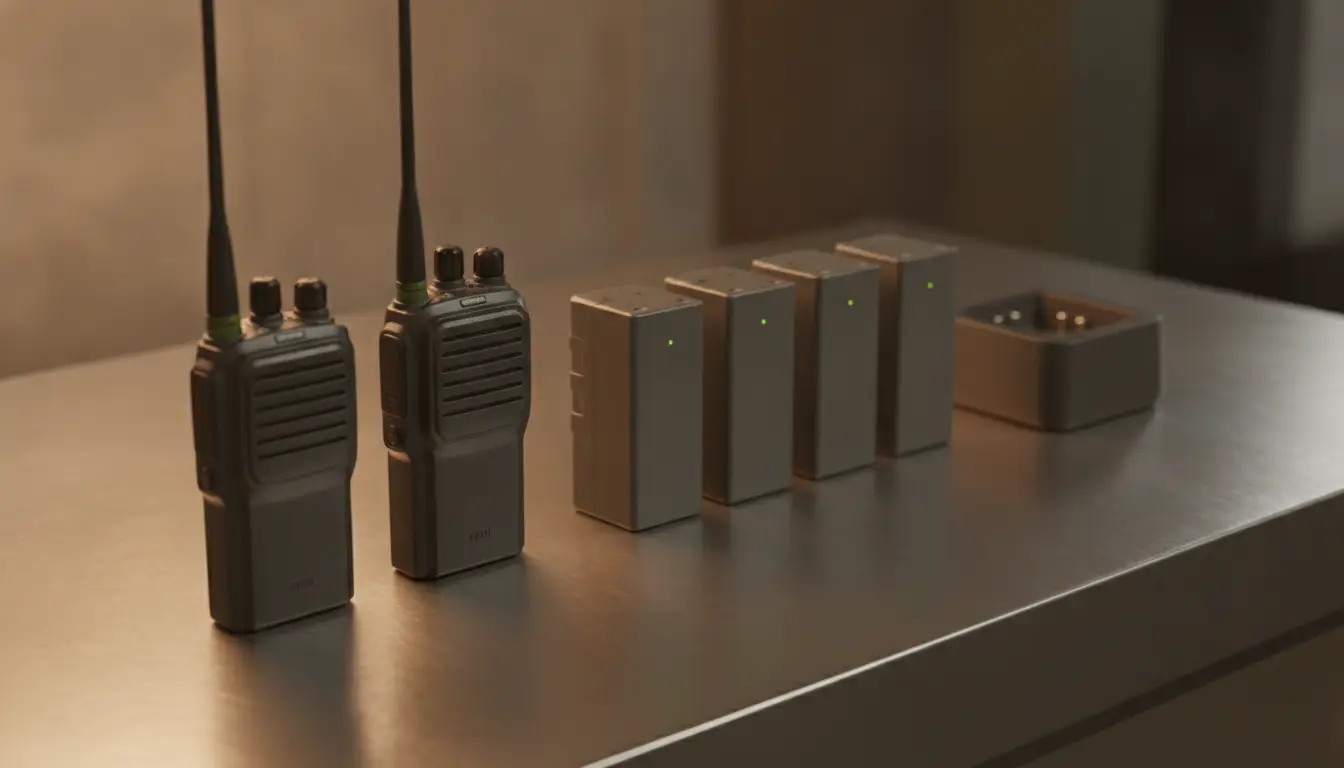
Handheld radios have become essential tools across countless industries. Whether you work in construction, security, logistics, or event coordination, these portable devices keep teams connected when cellular networks are unavailable or unreliable. But like any electronic device, handheld radios depend on consistent power to function effectively. Understanding how to manage and maintain your radio’s power system is crucial to ensuring reliable communication when you need it most.
Power management extends beyond simply charging your device. It involves understanding battery chemistry, recognizing signs of degradation, implementing proper charging practices, and knowing when replacement is necessary. Many users overlook these fundamentals, leading to unexpected downtime and communication failures at critical moments. This guide explores the practical aspects of keeping your handheld radios powered and ready, covering everything from daily maintenance routines to long-term battery care strategies. When you’re ready to explore replacement options, resources like Motorola batteries for handheld devices can help you find compatible power solutions for your specific equipment.
Understanding Battery Chemistry and Performance
Modern handheld radios typically use lithium-ion or nickel-metal hydride batteries, each with distinct characteristics that affect performance and longevity. Lithium-ion batteries, the more common choice in contemporary devices, offer higher energy density and longer runtime compared to older nickel-based alternatives. They also maintain consistent voltage throughout the discharge cycle, meaning your radio performs reliably until the battery is nearly depleted.
However, lithium-ion batteries are sensitive to temperature extremes. Exposure to cold reduces their capacity temporarily, while excessive heat accelerates chemical degradation and shortens overall lifespan. Understanding these characteristics helps you make informed decisions about storage, charging, and operational practices. If your radio operates in environments with significant temperature fluctuations, you may need to adjust your power management strategy accordingly.
Battery memory, a concern with older nickel-cadmium technology, is largely irrelevant with modern lithium-ion systems. You don’t need to fully deplete your battery before recharging. In fact, partial discharge cycles often extend battery lifespan compared to complete drain-and-recharge patterns.
Establishing Proper Charging Routines
Developing consistent charging habits directly impacts how long your batteries remain functional. The ideal approach involves charging your batteries regularly without allowing them to reach critically low levels. Most modern chargers include smart circuitry that prevents overcharging, so leaving a battery on the charger overnight poses minimal risk.
However, you should avoid exposing batteries to extreme temperatures during charging. Charge your devices in climate-controlled environments whenever possible. If you’ve been working in cold conditions, allow batteries to warm to room temperature before charging. Conversely, if a battery is warm from use, let it cool slightly before placing it on the charger.
For organizations managing multiple radios, implementing a rotation system ensures that backup batteries remain charged and ready. Designate specific charging stations and establish a schedule that guarantees at least one fully charged battery is available for each radio at all times. This approach prevents the common scenario where all batteries are simultaneously depleted during intensive operations.
Recognizing Signs of Battery Degradation
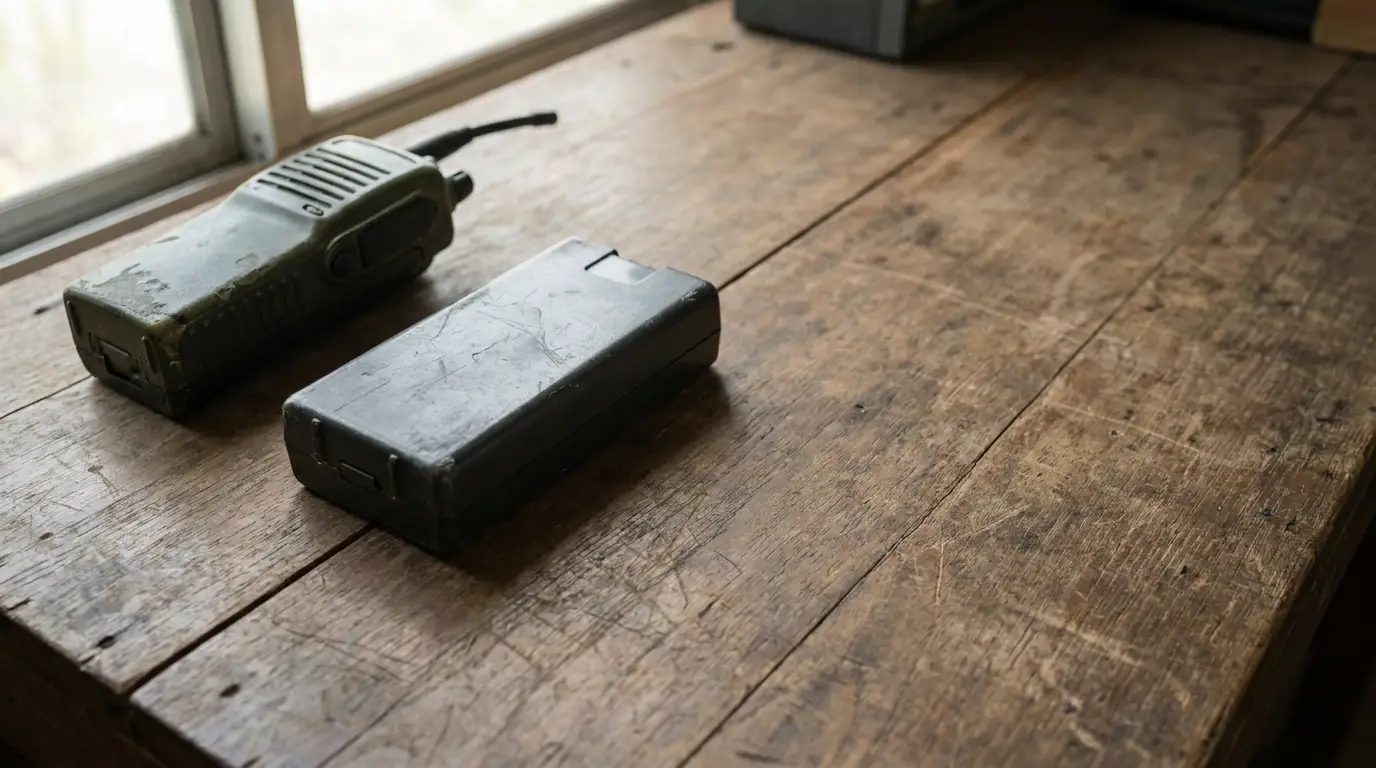
Even with proper care, batteries eventually lose their ability to hold a full charge. Recognizing early warning signs allows you to plan replacements before critical failures occur. The most obvious indicator is reduced runtime. If your radio that previously lasted eight hours now dies after four, battery degradation is likely the culprit.
Other warning signs include difficulty holding a charge, the device shutting down unexpectedly despite the battery indicator showing remaining power, or the battery becoming unusually warm during normal operation. Some radios display battery health information through LED indicators or menu systems. Regularly checking these indicators helps you track battery condition over time.
Swelling or physical deformation of the battery is a serious warning sign that demands immediate attention. A swollen battery indicates internal chemical reactions that could lead to leakage or failure. Remove the battery from service immediately and dispose of it according to local regulations.
Extending Battery Lifespan Through Operational Practices
Beyond charging and storage, how you use your radio affects battery longevity. Continuous transmission drains batteries faster than intermittent use, so encourage team members to keep transmissions brief and purposeful. Using the lowest power setting appropriate for your communication range also extends runtime significantly.
Reducing unnecessary features like backlighting, vibration alerts, and display brightness during battery-critical situations preserves power for essential communications. Many radios allow you to customize these settings, so take time to configure your devices appropriately for your operational environment.
Maintaining your radio’s antenna and connections ensures efficient power usage. A loose antenna connection forces the radio to work harder to transmit and receive, consuming additional battery power. Regularly inspect connectors and tighten any loose components.
Planning for Replacement and Inventory Management
Developing a replacement strategy prevents unexpected communication failures. Track the age of your batteries and plan replacements before they reach end-of-life. Most quality batteries provide reliable performance for two to three years under normal use, though this varies based on usage intensity and environmental conditions.
Maintain an inventory of spare batteries appropriate for your radio models. Having backup power available ensures that equipment failures don’t interrupt operations. Store spare batteries in a cool, dry location away from direct sunlight. If you maintain inventory for extended periods, charge stored batteries every few months to prevent complete discharge.
When purchasing replacement batteries, verify compatibility with your specific radio models. Using incorrect batteries can damage equipment or create safety hazards. Consult your radio’s documentation or contact your equipment provider to confirm proper battery specifications.
Conclusion
Effective power management is fundamental to reliable handheld radio operations. By understanding battery chemistry, establishing consistent charging routines, recognizing degradation signs, and implementing smart operational practices, you can maximize battery lifespan and minimize unexpected downtime. Regular maintenance and proactive replacement planning ensure your communication systems remain dependable when your team needs them most. Taking these steps today prevents the frustration and operational disruption that comes from power failures at critical moments.