

You just pushed an update, and something broke. Nobody caught it. A user found it three hours later, and now your team is scrambling to figure out what happened and when.
Sound familiar?
That is the problem EndBugFlow was built to solve. It connects to your development tools and catches issues automatically before they have a chance to slip through.
In this post, you will get a clear answer to how EndBugFlow software works, from the moment a bug is detected all the way through to the fix, so you know exactly what the platform is doing and why it works the way it does.
What Is EndBugFlow and Where Does It Fit In Your Workflow?
Many bug tracking tools wait for you to do something first. You notice a problem, open a ticket, fill in the details, and only then does the tracking begin.
EndBugFlow works the other way around completely. It sits inside your development environment and watches what is happening in real time. When something breaks, it already knows before you do.
It connects to your existing tools through APIs and webhooks, which act like live wires running between EndBugFlow and the systems your team already uses, like your version control, CI/CD pipelines, and error logs.
Nothing gets replaced, and nothing gets moved. EndBugFlow layers on top of what you have and fills the gap between “something went wrong” and “someone is already working on it.”
That gap is where teams lose serious time. EndBugFlow closes it automatically, and everything else the platform does builds from there.
How Endbugflow Catches Bugs without Anyone Having to Report Them
Many teams find out about bugs when a user complains or a developer stumbles across something broken. By that point, the damage is already done, and the clock has been running for a while.
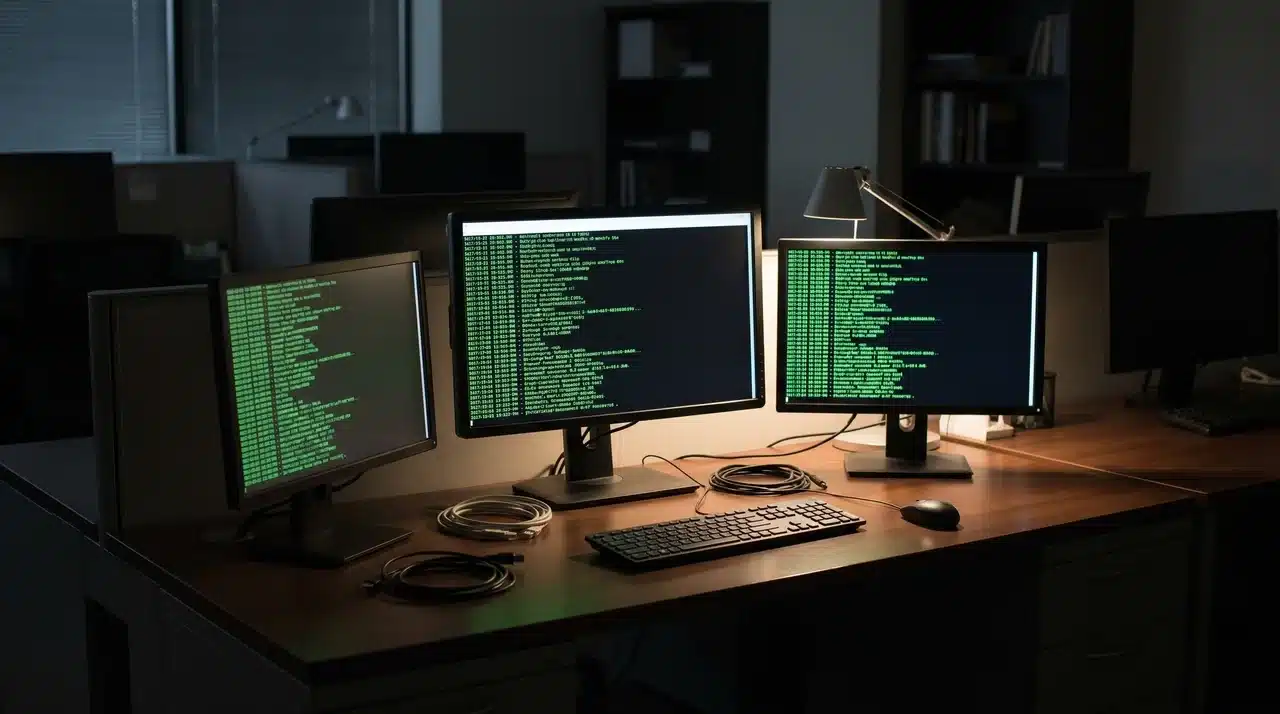
EndBugFlow does not wait for that moment. It keeps live connections open to three places at once: your CI/CD pipelines, your application error logs, and your version control activity.
Each one sends a different kind of signal, and EndBugFlow is listening to all three at the same time.
The second any of those systems reports an error, a webhook fires.
EndBugFlow catches that signal and automatically creates a logged entry in your central dashboard, pulling in details such as where the error came from, what type of problem it is, and exactly when it happened.
Here is what most people miss about that moment:
The captured data does not just sit in the dashboard waiting for someone to read it.
It moves straight into the prioritization engine, which decides what happens next. So the quality of that initial capture matters more than it looks like it does.
What Systems EndBugFlow Monitors and Why Each One Matters
Your CI/CD pipeline, error logs, and version control each catch different things. Together, they cover almost everything that can go wrong.
- CI/CD pipelines flag build failures and broken deployments the moment they happen in your release process.
- Application error logs catch runtime errors, which are the bugs that show up while your software is actually running and being used.
- Version control activity tracks code-level events, giving EndBugFlow visibility into changes that introduce new problems before they spread further.
Watching all three means EndBugFlow catches issues at different stages. One source alone would leave blind spots.
What a Logged Bug Entry Actually Contains in the Dashboard
When EndBugFlow logs a bug, it does not just drop a vague alert into a list.
Each entry includes the source system that triggered it, the error type, the timestamp, and the environment it originated in, such as production or staging.
That context is what lets your team act fast instead of spending time investigating what actually happened.
A complete entry means the next step, which is prioritization, starts with real information rather than guesswork.
How EndBugFlow Decides Which Bugs Matter Most and Who Should Fix Them
EndBugFlow does not treat every bug the same way. Here is how it figures out what needs attention first.
- Not all bugs are equal: A payment failure and a display glitch are both bugs but they need very different responses.
- Prioritization starts immediately: The moment a bug gets captured, the prioritization engine goes to work without waiting for anyone.
- Severity is the first signal: EndBugFlow checks how serious the error is from a purely technical standpoint before anything else.
- System impact is the second signal: It then measures how broadly the error affects your system or your users right now.
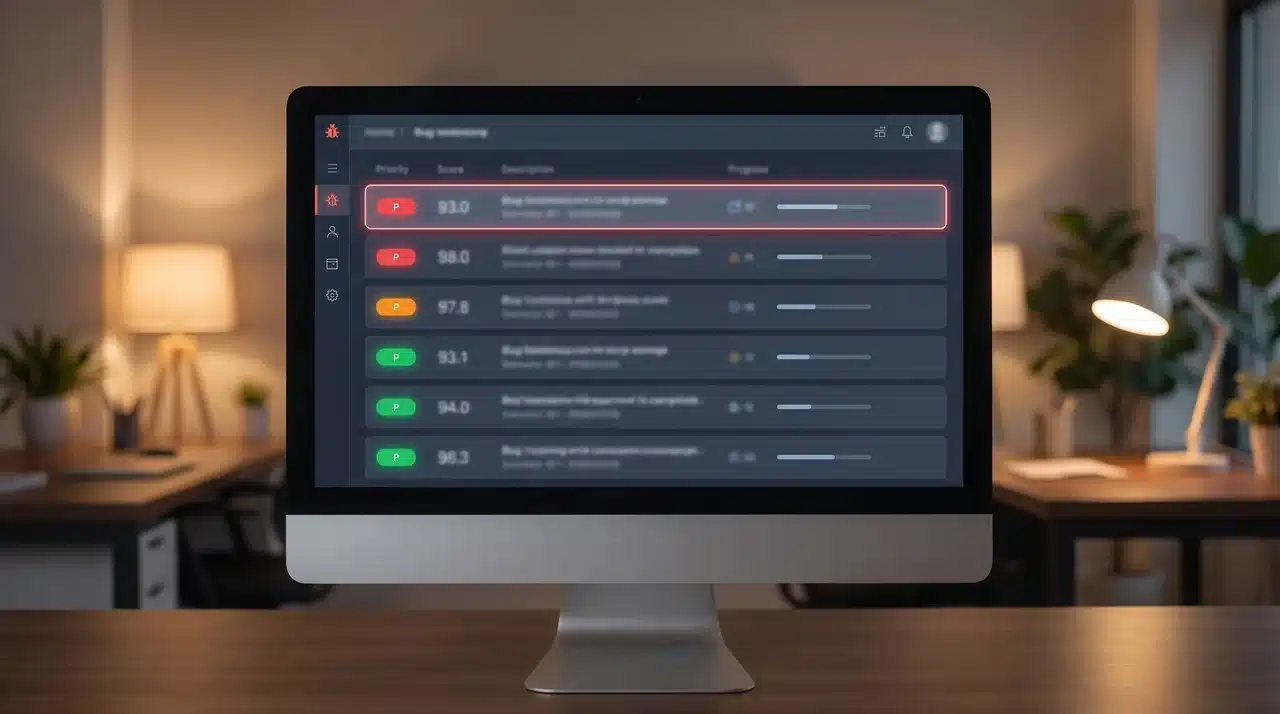
- The score drives what happens next: Both signals combine into a priority score that tells the platform exactly what to do.
Together, these two signals give EndBugFlow a clear picture of where your team’s attention needs to go first.
How EndBugFlow Scores Severity and System Impact
Severity tells EndBugFlow how bad the error is on its own terms. A crash is more severe than a slow load time. A broken API call is more severe than a misaligned button.
System impact indicates how far the problem extends. An error affecting one user in one browser is very different from an error that takes down a core feature for everyone.
EndBugFlow weighs both signals together to produce a priority tier. High severity plus wide impact pushes a bug straight to the top. Low severity with narrow impact lands it lower in the queue, where it waits for a natural review window.
The result is a ranked list that reflects real urgency rather than the order bugs happened to arrive in.
How a Priority Score Triggers Assignment and Notifications
This is the part that saves your team from having to triage everything by hand. Once a priority score is set, EndBugFlow uses it to fire the right automation rules.
A critical bug goes straight to an on-call developer with notifications sent out immediately. A low-priority bug gets queued without interrupting anyone.
Your team can override any auto-assigned priority when the situation calls for it. Changing a priority does more than update the label, though.
It re-triggers the automation logic underneath, which can result in a different developer being assigned and a fresh round of notifications going out based on the new ranking.
That is worth knowing before you adjust one without thinking it through.
How Teams Use the Dashboard to Stay on Top of Every Open Bug
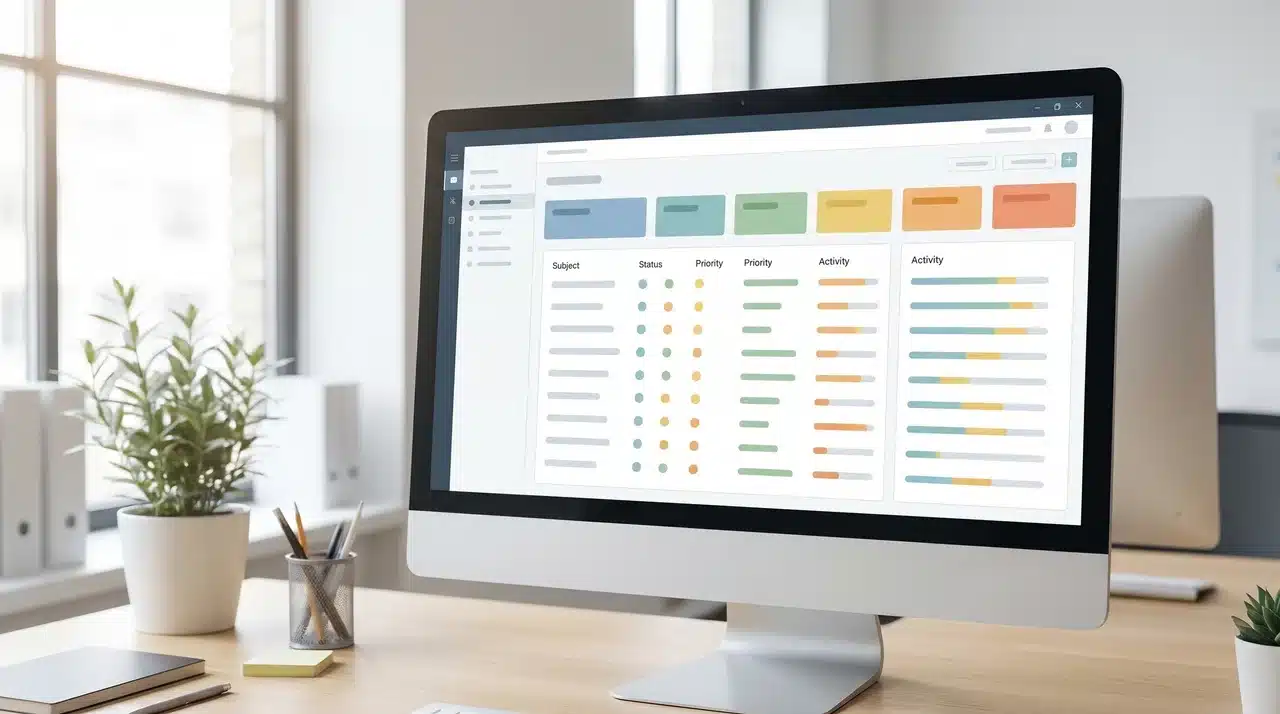
Once bugs are flowing in and getting prioritized automatically, you need one place to see all of it clearly. That is exactly what the central dashboard gives you.
It pulls all active issues into a single view, so nothing gets buried across different tools or lost in someone’s inbox.
Here is what you can do inside it:
- Filter by priority, project, or assignee to cut through the noise and focus on what needs attention right now.
- Search across all active issues without jumping between tools or asking teammates what the status is.
- Use bulk operations to update, reassign, or reprioritize a group of tickets at the same time.
- Track status changes in real time as developers move issues through the workflow toward resolution.
- Push resolved status back automatically to connected tools the moment a developer marks a bug as fixed.
The dashboard is not just a place to look at bugs. It is where your team actually manages them from start to finish.
Bulk operations are especially useful after a major incident, when you have many tickets that need the same update at once. Instead of clicking through each one, you handle them together and move on.
When a bug gets marked resolved, EndBugFlow does not just close it locally. It sends the status change back through the workflow and notifies the right people, closing the loop that started when the bug was first captured.
How EndBugFlow Works Alongside the Tools You Already Use
One of the first things people worry about when trying new software is whether it will break what already works.
With EndBugFlow, that is not something you need to stress about. It does not ask you to replace anything. It connects to your existing stack and adds a layer on top of it.
Here is how the integration actually works:
1. APIs handle the two-way data exchange: EndBugFlow reads from your connected tools and writes back to them. When a bug status changes, that update moves across the connection automatically.
2. Webhooks handle the real-time triggers: Your outside systems push alerts to EndBugFlow the instant something goes wrong. There is no polling or delay waiting for a scheduled sync.
3. Notifications surface inside your existing channels: EndBugFlow does not create a separate place for alerts. Your team gets notified inside the tools they already check every day.
4. Nothing in your current stack gets displaced: Your CI/CD pipeline, version control setup, and error logging tools keep running exactly as they did before EndBugFlow arrived.
5. The integration catalog gets updated regularly: Supported tools change over time, so checking the official documentation before connecting anything is the safest way to confirm current compatibility.
Getting the integration right at the start matters more than most people expect. A webhook that is not configured properly will miss events, and a missed event means a bug that never gets logged.
Take the setup step seriously, and the rest of the platform works the way it is supposed to.
Conclusion
EndBugFlow software is not just another place to log tickets. It watches your systems around the clock, catches problems the moment they happen, and moves them to the right person without anyone having to chase it down.
The prioritization engine, the central dashboard, and the integration layer all work together to close the gap between a bug appearing and a developer fixing it.
It is a system that catches what your team would otherwise miss and handles the routing automatically.
Ready to see it in action? Set up your first integration and watch how your team handles bugs from then on.
Frequently Asked Questions
What makes EndBugFlow different from tracking bugs in a spreadsheet?
A spreadsheet waits for you. Someone has to notice the problem first, write it down, and keep updating it through every stage. EndBugFlow watches your live systems continuously and logs issues the moment they occur. Nothing depends on a developer remembering to file a report.
Does EndBugFlow replace our existing CI/CD or version control tools?
No. It connects to those tools through APIs and webhooks and adds a prioritization and routing layer on top of them. Your existing pipelines, version control setup, and error logging tools keep running exactly as they did before.
Can teams change the priority level EndBugFlow assigns to a bug?
Yes. You can manually adjust any priority ranking to fit what your project needs. Changing a priority does more than update a label, though. It can reassign the ticket to a different developer and trigger a fresh round of notifications based on the new ranking.
What happens to a bug from the moment it is captured to the moment it is closed?
EndBugFlow captures it automatically when a monitored system reports an error. It scores the bug based on severity and system impact. It routes the ticket to the right developer through automated assignment. It tracks progress through the dashboard as work moves forward. It closes the record when the developer marks it resolved and pushes that status back to connected tools.