


10 inches, 12 inches, 13 inches, or even thicker. When shopping for a hybrid mattress, you’ll find many thickness options to choose from. But does a thicker mattress mean more comfort? Not really. So, how do you choose the right hybrid mattress thickness? Here’s what to consider before you buy.
What Makes Up the Thickness of a Hybrid Mattress?
Let’s take a look at where the inches go before choosing. And below is how a typical hybrid mattress looks:

- Cover: The outer layer that you sleep on. It can affect the surface feel and breathability.
- Comfort Layer: Provides cushioning and pressure relief. Common materials include memory foam, polyfoam, and latex.
- Transition Layer: Sits between the comfort system and coils, helping balance cushioning and support.
- Pocketed Coils: The main support system that provides responsiveness, stability, and airflow.
- Base Layer: Provides a stable foundation for the layers above and helps maintain the mattress’s structure.
Two hybrid mattresses with the same thickness can still feel very different because they may use different materials.
How Do I Choose the Right Hybrid Mattress Thickness?
Your Sleeping Position
Side sleepers usually need more cushioning around the shoulders and hips. A 12- to 14-inch hybrid mattress can provide enough room for comfort and support.
Back sleepers generally need a balance of cushioning and support. A 10- to 12-inch hybrid mattress is often a practical option.
Stomach sleepers usually need enough support to prevent the midsection from sinking too deeply. A 10- to 12-inch mattress is worth trying, but pay more attention to firmness and support.
Combination sleepers need a mattress that can handle different positions throughout the night. A 12-inch hybrid can provide enough cushioning while still being easy to move around.
Your Body Weight
Body weight affects how deeply you sink into the mattress.
If you weigh under 130 pounds, consider a mattress around 12 inches. Lighter sleepers may not sink deeply into the comfort layers, so a thicker comfort system can provide better cushioning and pressure relief, especially for side sleepers.
If you weigh between 130 and 230 pounds, a 10- to 12-inch hybrid mattress is usually good to provide enough cushion and support.
If you weigh over 230 pounds, consider a 12- to 14-inch mattress. It provides more room for cushioning and a stronger support structure, helping prevent excessive sinkage.
Your Bed Height
Your final bed height is equal to your mattress thickness plus your bed frame height. To make getting in and out of bed easier, sit on the side of the bed to see if you can rest your feet flat on the floor with your knees bent at about a 90-degree angle. However, the ideal height depends on your height and personal preference. Consider mattress thickness carefully if you:
- Prefer a lower-profile bed
- Have a tall bed frame
- Have difficulty getting in and out of bed
- Use a thick foundation or adjustable base
- Want your mattress to sit at a specific height
Number of Sleepers
Sharing a mattress means it needs to support more combined weight and movement. Couples may want at least a 10-inch mattress, while a 12- to 14-inch hybrid can be a better choice if both sleepers are heavier or prefer more cushioning.
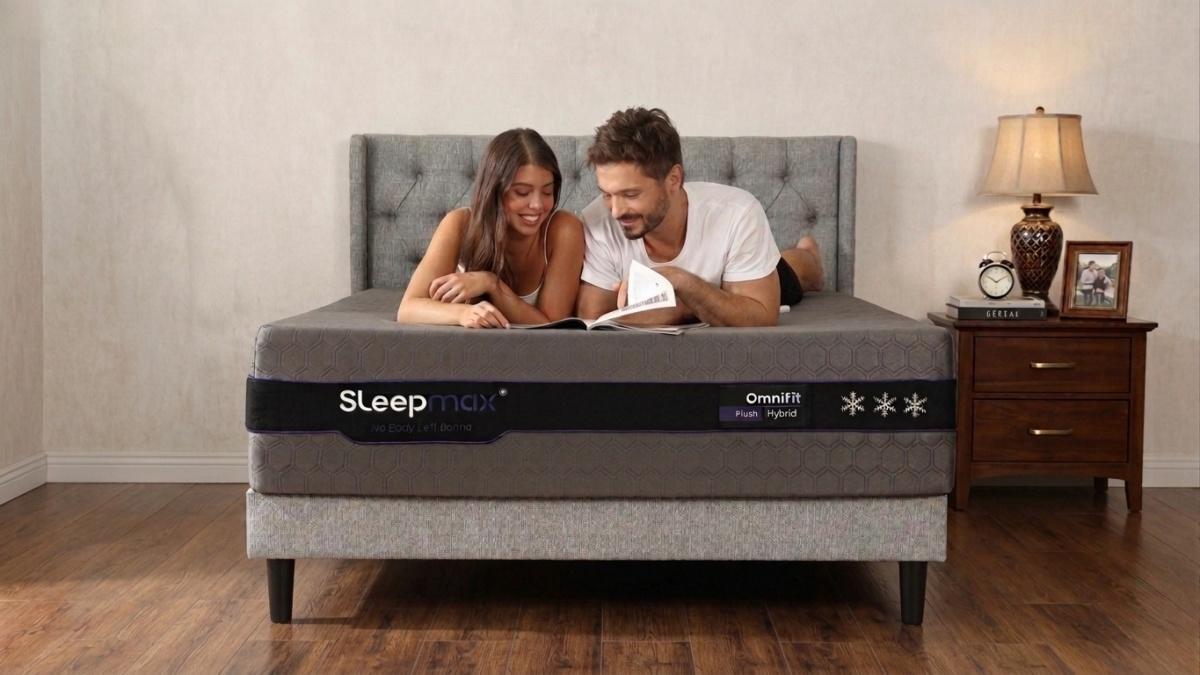
You should also consider both sleepers’ positions. For example, if one person sleeps on their side while the other sleeps on their back, look for a thickness and construction that can balance cushioning with support for both.
Quick Guide: Which Hybrid Mattress Thickness Should You Choose?
10-inch hybrid: A practical choice if you prefer a relatively lower-profile mattress, a firmer or more responsive feel, or don’t need a deep comfort system.
12-inch hybrid: A versatile choice for many sleepers. It provides enough room for a substantial comfort system while maintaining a manageable overall height.
13-inch hybrid: Worth considering if you want additional cushioning or a more substantial overall construction without going all the way to an extra-thick mattress.
14-inch+ hybrid: May work well for sleepers who want a plush, deeper feel or need additional cushioning and support. Just make sure the additional thickness is actually contributing to useful layers rather than simply increasing the mattress height.
Other Factors to Consider When Choosing a Hybrid Mattress
Breathability
If you are a hot sleeper, pay attention to the breathability of your mattress. Hybrid mattresses usually have better airflow due to the coil system. Look for a breathable cover and cooling materials like phase-changing materials and gel-infused foam.
Support
Hybrid mattresses with individually wrapped pocketed coils usually provide better support by allowing the coils to respond independently to your body. Besides, pay attention to the comfort layer. A comfort layer that is too thick may cause you to sink too deeply, while one that is too thin may not provide enough cushioning.
Edge Support
Strong edge support lets you use more of the mattress surface and makes it easier to sit down or get out of bed. This can be especially useful for couples, people who sleep near the edge, or anyone who has difficulty getting in and out of bed.
Motion Isolation
If you share your bed, consider how well the mattress absorbs movement. Pocketed coils can reduce motion transfer because individual coils move independently, while memory foam in the comfort system can provide additional motion isolation.
Pressure Relief
Pay attention to the materials and thickness of the comfort layer if pressure relief is important to you. Memory foam and latex can contour to your body and cushion pressure points, while a thicker comfort system can provide more room for your shoulders and hips to sink in comfortably.
Trial Period and Warranty
Even if a mattress feels good in the showroom, it can feel different at home. A long trial period provides ample time to determine if the mattress is truly a good fit. A warranty is not the same as a trial period. It is typically for qualifying manufacturing defects. Learn about the warranty length, what it covers, and what qualifies as a defect.
Get Good Sleep With SLEEPMAX Hybrid Mattress
If you’re looking for a hybrid mattress that combines cooling features, motion isolation, comfort, and support, the SLEEPMAX OmniFit is worth considering. It features a breathable cover with cooling fibers, patented memory foam, gel-infused high-density foam, pocketed coils, and a high-density foam encasement for added edge support.
With a 365-night trial and lifetime warranty, the SLEEPMAX hybrid mattress gives you plenty of time to test it at home through all four seasons. It is also available in different thickness options, including 12, 13, 14, and 16 inches, so you can choose a profile that fits your needs. Visit the SLEEPMAX website to learn more.
FAQs
Is a thicker hybrid mattress better?
Not really. A thicker mattress gives manufacturers more space for comfort and support layers, but the quality and arrangement of those layers matter more than the total thickness alone.
Is a 12-inch hybrid mattress thick enough?
For many sleepers, yes. A 12-inch hybrid can provide enough room for a meaningful comfort system and a substantial coil support core while maintaining a manageable overall height.
Do heavier sleepers need a thicker hybrid mattress?
They may benefit from a thicker construction because heavier sleepers generally compress the mattress more deeply. However, supporting core design and firmness are also important, so don’t choose a mattress based on thickness alone.