
Thanks for your interest in writing an article for Filmmaking Lifestyle. What follows are the guidelines for submitting an article:
Overview
Here’s what we’re looking for…
- 100% original, well-written content. This means it must be written by you and must pass a ‘unique content’ test.
- Must not be available anywhere else.
- How-to content that adds lots of value to our readers.
- Minimum 1500 words (more is better, though).
As you know, we post articles about:
- Filmmaking
- Video production
- The business side of both
- and more.
If you’d like to write a post about one of these topics (or related subjects), we’d love to hear from you!
Here’s an example of a great guest article we recently posted: How To Make a Movie: 4 Essential Ingredients That Helped Me Make a No-Budget Feature Film.
Requirements

Please follow these guidelines when submitting:
- Your article should be how-to in nature, full of step-by-step style advice about a relevant topic related to the site. We want you to offer lots of value to our readers.
- Ensure your article is well-written and has a strong voice. Write to your audience.
- Shouldn’t be overly promotional. We allow links in the article, but the article should be how-to based and non-promotional in nature.
- Speaking of links: Please include a minimum of 6 links per 1000 words. The links should be both external (relevant sources on the internet) and internal (other Filmmaking Lifestyle articles). Include the links as hyperlinks within the text: like this.
- Images, videos, infographics, etc are a big plus. Include any images in a ZIP file when you send the Google Doc link to your article.
- As far as images go, used sources like Pexels, Pixabay and Upslash for free, royalty-free images. But original images that you own are always preferred.
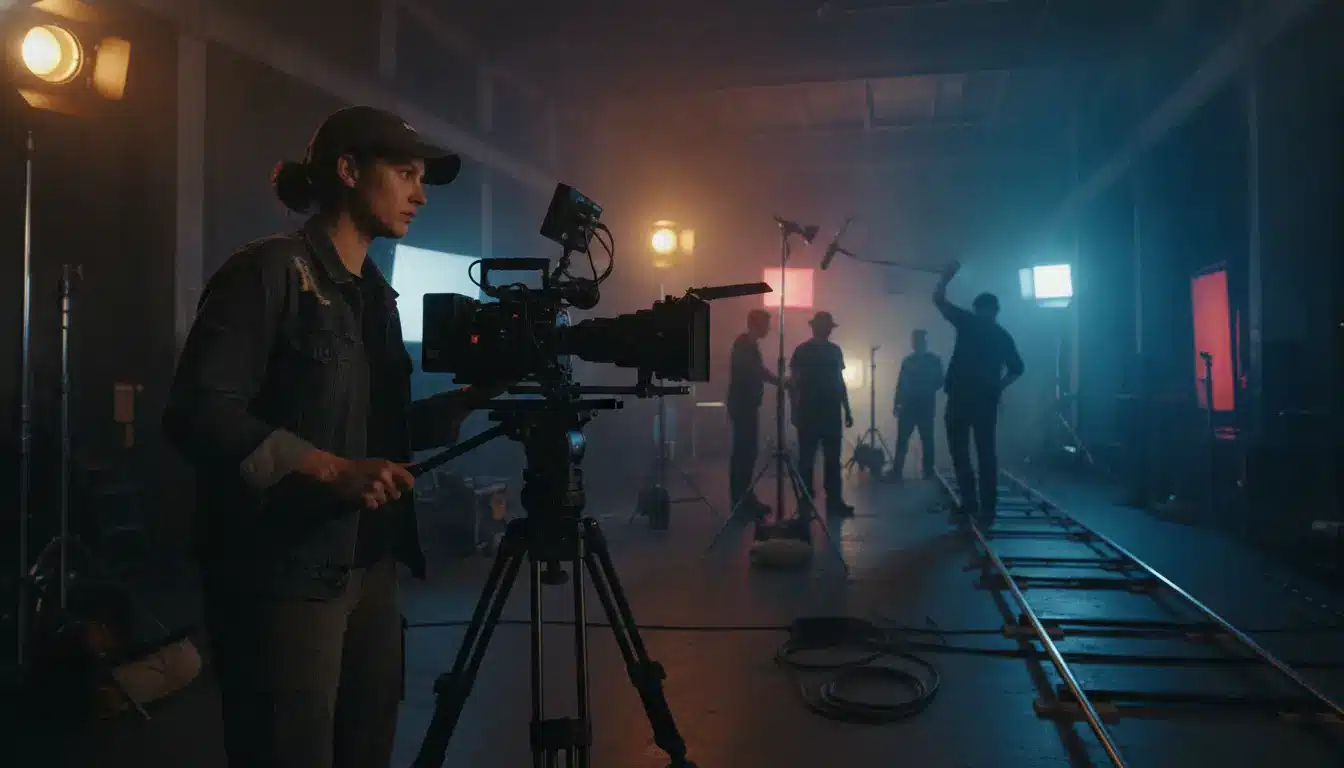
- For example, if your article is about a film that you’ve made, including Behind-The-Scenes photos is a big pro.
- All images should be relevant to the content.
- If you want to use videos as a supporting part of your article, these should be included as the raw YouTube or Vimeo link. We can then easily embed this into the post and it’ll show up as a playable video on the site.
Formatting
- The basic article structure should be a brief and interesting Introduction, followed by the article meat & potatoes and finishing with a Conclusion that wraps everything up.
- Paragraphs should be used regularly and the article should scan well with most paragraphs no more than 3 lines long. This helps with readability.
- Use subtitles to break up sections of the article. This is really important. And use H2 tags as your subtitles.
- Here’s an example of an H2 tag within this Google Doc
- Spell check and grammar check before sending the article.
- Break up your article with bullet points and other formatting to keep things flowing. Avoid a wall of text!
- This Google Doc can serve as a template for your article, as we’ve used appropriate formatting that we look for here.
How to Submit the Article
Send the article as a Google Doc to: [email protected]. We only accept Google Docs as a form of article submission, as this is what our Editors work with.
Please note: While we’d love to use everyone’s submissions, we cannot guarantee to do so due to the large numbers of submissions and because we want to keep the quality high.
If you’re unsure on whether an article will be suitable for the site and want to check, please feel free to contact us with the idea, or an outline of your article, and we’ll let you know if we think we can use it.