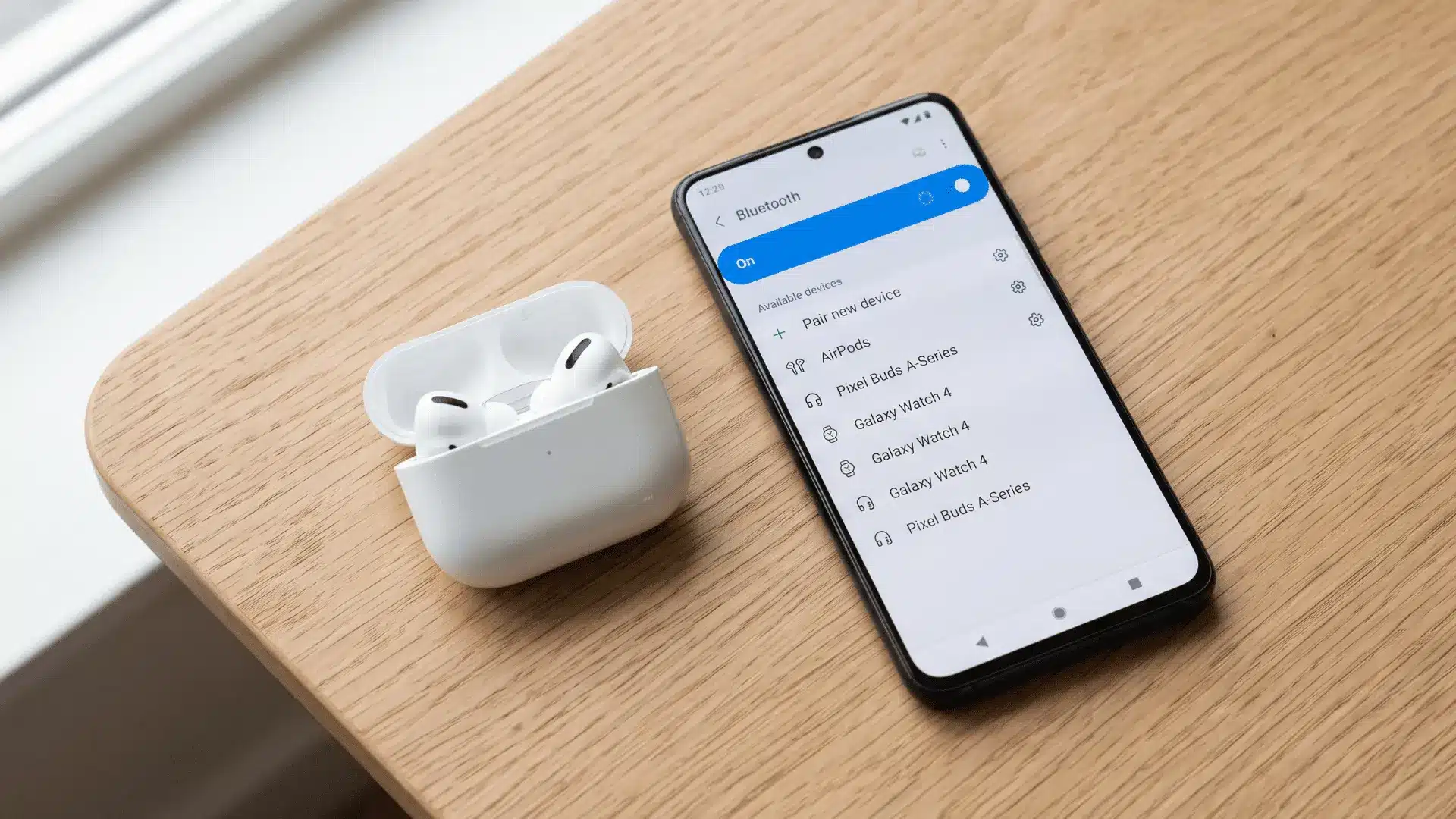


I’ve seen people worry about wireless headphones simply because they sit close to the head for hours. If you’ve asked, do wireless headphones emit radiation, the answer is yes, but the type and amount matter more than the word itself.
Bluetooth uses low-power RF waves for short-range connections. Your exposure depends on usage time, distance, and device activity.
Understanding how Bluetooth signals work, what current research shows, and which health factors actually matter can help clear up common concerns about wireless headphone use.
Do Wireless Headphones Emit Radiation? What Bluetooth Users Should Know
The wireless headphones you’re already considering do emit radiation, but it is a specific type called radiofrequency (RF) radiation. Bluetooth uses these low-power signals to send audio between headphones and connected devices.
The difference comes down to energy. Bluetooth signals carry far less energy than ionizing radiation, which is why they cannot break DNA bonds in the same way as X-rays or gamma rays.
Wireless headphones produce RF signals while they communicate with a phone, tablet, or computer. The amount of transmission depends on connection activity, device design, and how the headphones are being used.
Why Bluetooth Radiation Is Not the Same as Microwave or X-ray Radiation
Bluetooth radiation belongs to the same broad family of electromagnetic waves as other RF signals, but the energy level is very different from ionizing radiation.
Bluetooth operates around 2.4 GHz and uses extremely low-power signals. These waves do not carry enough energy to break chemical bonds in DNA. X-rays and gamma rays are different because they have enough energy to damage cells directly.
Microwave ovens also work differently from Bluetooth headphones. A microwave uses much higher power levels inside a contained space to heat food. Bluetooth devices send small amounts of energy over short distances and are not designed to create heating effects in body tissue.
How Much Radiation Do Wireless Headphones Produce?

Wireless headphones typically transmit at very low power, often below about 2.5 milliwatts (mW). Bluetooth is designed for short-range communication, so earbuds do not need the same transmission strength as smartphones that connect with distant cellular towers.
SAR measurements show how much RF energy the body absorbs from a device. Bluetooth earbuds generally measure much lower than smartphones held directly against the head because they use lower power and communicate over a shorter distance.
Exposure can change based on signal strength, distance, device design, and usage habits. A headphone close to your ear does not automatically mean higher exposure because power output matters.
Wireless headphones and smartphones both use RF signals, but phones usually require more power for longer-range cellular connections. SAR measurements estimate absorption, but everyday exposure varies with use.
Can Wireless Headphone Radiation Harm Your Health?

Current research has not proven that wireless headphone radiation causes cancer or specific health conditions. Bluetooth uses low-power, non-ionizing RF radiation, which does not interact with the body like ionizing radiation.
Non-ionizing radiation cannot directly damage DNA, but researchers continue studying long-term exposure. Findings require careful interpretation because associations do not always prove that one factor caused another.
Can Bluetooth Headphones Cause Brain Cancer?
Concerns about brain cancer often come from the fact that wireless headphones sit close to the head. However, studies have not established that Bluetooth headphone use causes brain cancer.
Researchers look at exposure levels, duration, and other health factors when studying RF radiation. Current evidence does not show a direct cancer link from normal Bluetooth headphone use.
What Studies Say About Bluetooth Exposure?
Studies continue examining Bluetooth and RF exposure, but results need careful interpretation. A connection between two factors does not always mean one directly caused another.
Researchers consider factors like age, lifestyle, existing conditions, and other RF sources when studying health outcomes. Current evidence does not show normal Bluetooth use is harmful.
The World Health Organization’s cancer research agency, the International Agency for Research on Cancer (IARC), classifies radiofrequency radiation as Group 2B, or “possibly carcinogenic.”
This category does not mean RF radiation is proven to cause cancer. It means the available evidence is limited and not strong enough to confirm a direct cause-and-effect relationship
Are Wired Headphones Safer Than Wireless Headphones?

Wired and wireless headphones differ in connection, convenience, and usage experience. Safety depends on listening habits, volume levels, and personal preferences rather than the cable alone.
| Factor | Wired Headphones | Wireless Headphones |
|---|---|---|
| Bluetooth Connection | Use a physical cable and do not rely on Bluetooth for audio transmission | Use Bluetooth to connect with phones, tablets, and computers |
| RF Radiation | Do not use Bluetooth signals for audio transmission | Use low-power Bluetooth RF signals to connect devices |
| Mobility | Cables can limit movement and may require staying closer to the connected device. | Allow more freedom of movement without cable restrictions |
| Convenience | Simple plug-in setup without charging requirements | Requires charging but offers easier everyday portability |
| Power Source | Draws power directly from the connected device | Uses a built-in battery that needs regular charging |
| Audio Reliability | Connection is generally stable because it uses a direct cable | Connection quality can depend on Bluetooth range and interference |
| Device Compatibility | Requires a compatible headphone jack or adapter | Works with devices that support Bluetooth connections |
Regardless of the type you choose, responsible listening habits matter most. Keeping the volume comfortable and taking breaks can help protect your hearing over time.
What Is the Bigger Health Concern With Wireless Headphones?

Headphone-related hearing risks usually come from loud volume and long listening sessions, not Bluetooth signals. Volume level, duration, and listening habits play the biggest role in protecting your ears.
Someone listening for several hours every day at a high volume faces a much higher hearing risk than someone using wireless headphones briefly at a comfortable volume.
- High volume levels: Loud audio can strain the inner ear and increase the risk of hearing damage over time.
- Long listening sessions: Extended use increases sound exposure and gives your ears less time to recover.
- Tinnitus risk: Frequent loud listening can contribute to ringing or buzzing sounds in the ears.
- Limited breaks: Short breaks during long sessions help reduce continuous strain on your ears.
- Listening habits: Comfortable volume levels and shorter sessions can help protect hearing.
If you want to reduce wireless exposure, turning off Bluetooth or using wired headphones are personal choices. The key focus should be safe listening habits, including comfortable volume, breaks, and shorter sessions.
The key focus should be safe listening habits, including comfortable volume, breaks, and shorter sessions.
Conclusion
Wireless headphones emit low-level RF radiation, but Bluetooth signals are non-ionizing and not proven to cause serious health issues. If you’ve wondered whether wireless headphones emit radiation, the bigger focus is usually how you use them, not the term itself.
I’ve found that actual exposure levels matter more than worrying about the word “radiation.” Keeping the volume comfortable, taking breaks, and avoiding long sessions at high volume can help protect your hearing.
If you use wireless headphones daily, checking your listening habits can make a bigger difference than worrying about Bluetooth signals.
Frequently Asked Questions
Is it safe to wear wireless headphones for several hours a day?
Current evidence does not show that normal Bluetooth headphone use causes health problems from radiation exposure. However, long listening sessions can increase risks related to volume, ear discomfort, and fatigue. Taking breaks and keeping volume comfortable can help reduce these common concerns.
Do wireless headphones emit radiation when they are turned off?
Fully powered-off wireless headphones stop Bluetooth transmission, so they do not continue sending RF signals. However, headphones in standby or pairing mode may still communicate wirelessly until they are completely turned off.
Are wired headphones safer than wireless headphones?
Wired headphones avoid Bluetooth RF transmission, but they are not automatically safer. Hearing risks apply to both types and depend mainly on volume level and listening duration rather than whether headphones use a cable.
Can wireless headphones cause cancer?
Current research has not shown that wireless headphones cause cancer. Bluetooth uses low-power, non-ionizing radiation, which does not damage DNA like ionizing radiation such as X-rays. While research continues, a direct cancer link from normal Bluetooth headphone use has not been proven.