

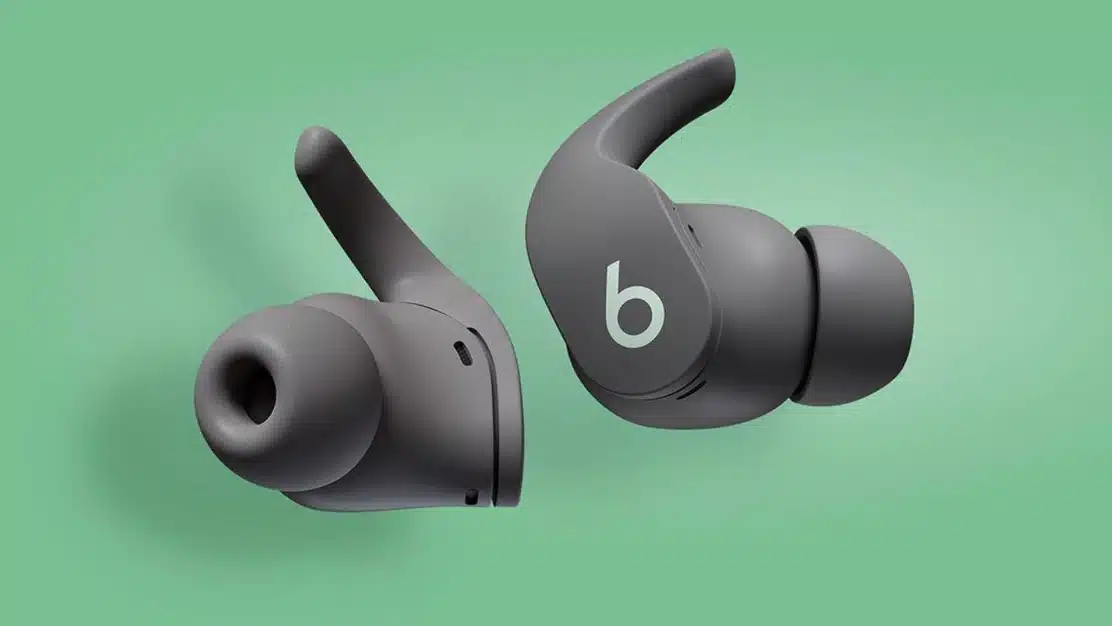
The Beats Fit Pro are sport earbuds built around one idea: a flexible silicone wingtip that locks your ear in place. That single design choice is what separates them from almost everything else in this category.
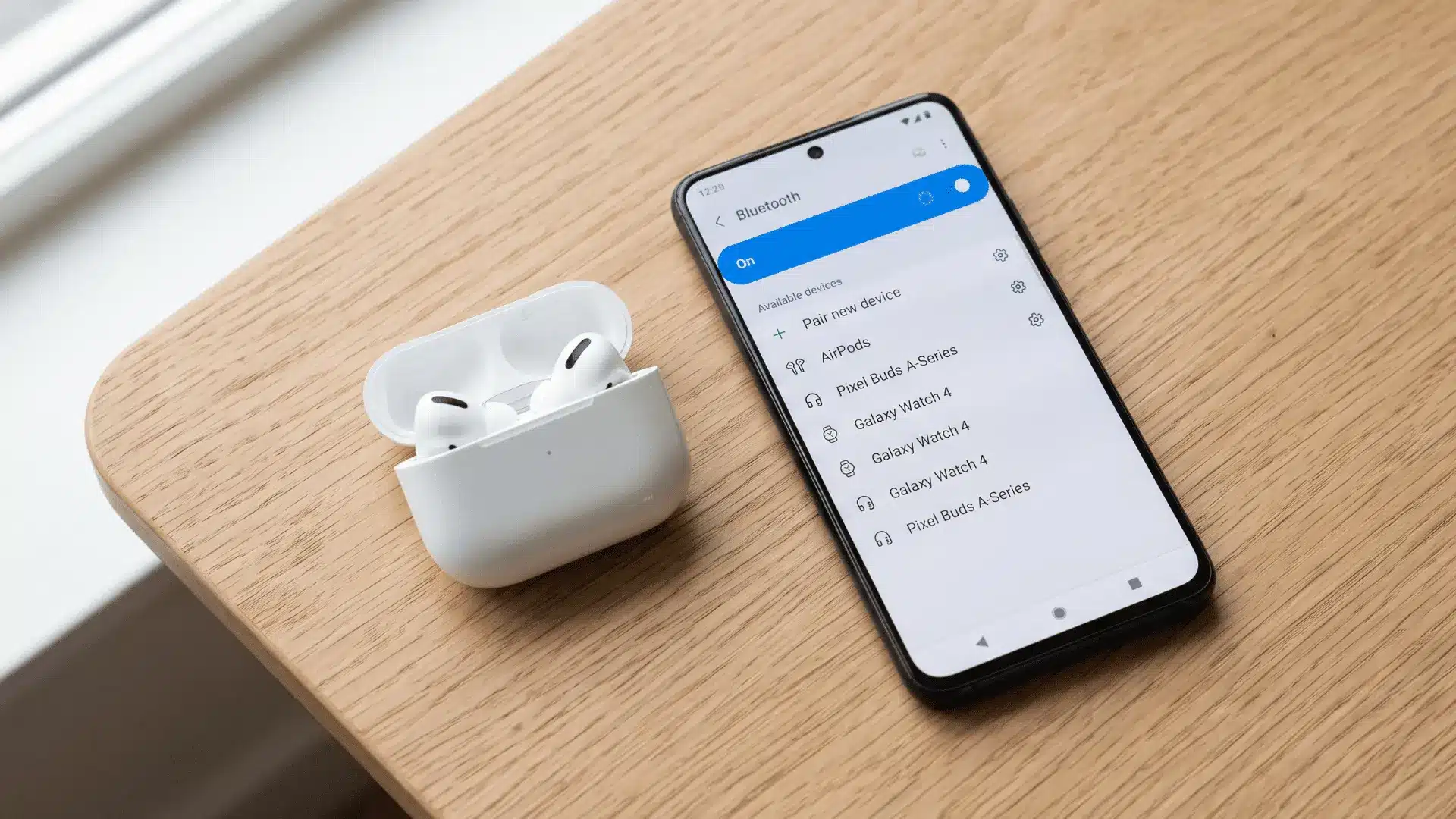
They run Apple’s H1 chip, the same one inside the AirPods Pro. That chip powers fast pairing, Spatial Audio, and smooth device switching. But unlike AirPods, these work properly on Android too. You get the full experience through the Beats companion app, not a watered-down version.
Price sits between $130 and $200 depending on where you buy and whether a sale is on. At full retail, you’re in AirPods Pro territory. On sale, the value math shifts significantly. Check current pricing before you commit, it moves around.
How the Wingtip Fit System Actually Works
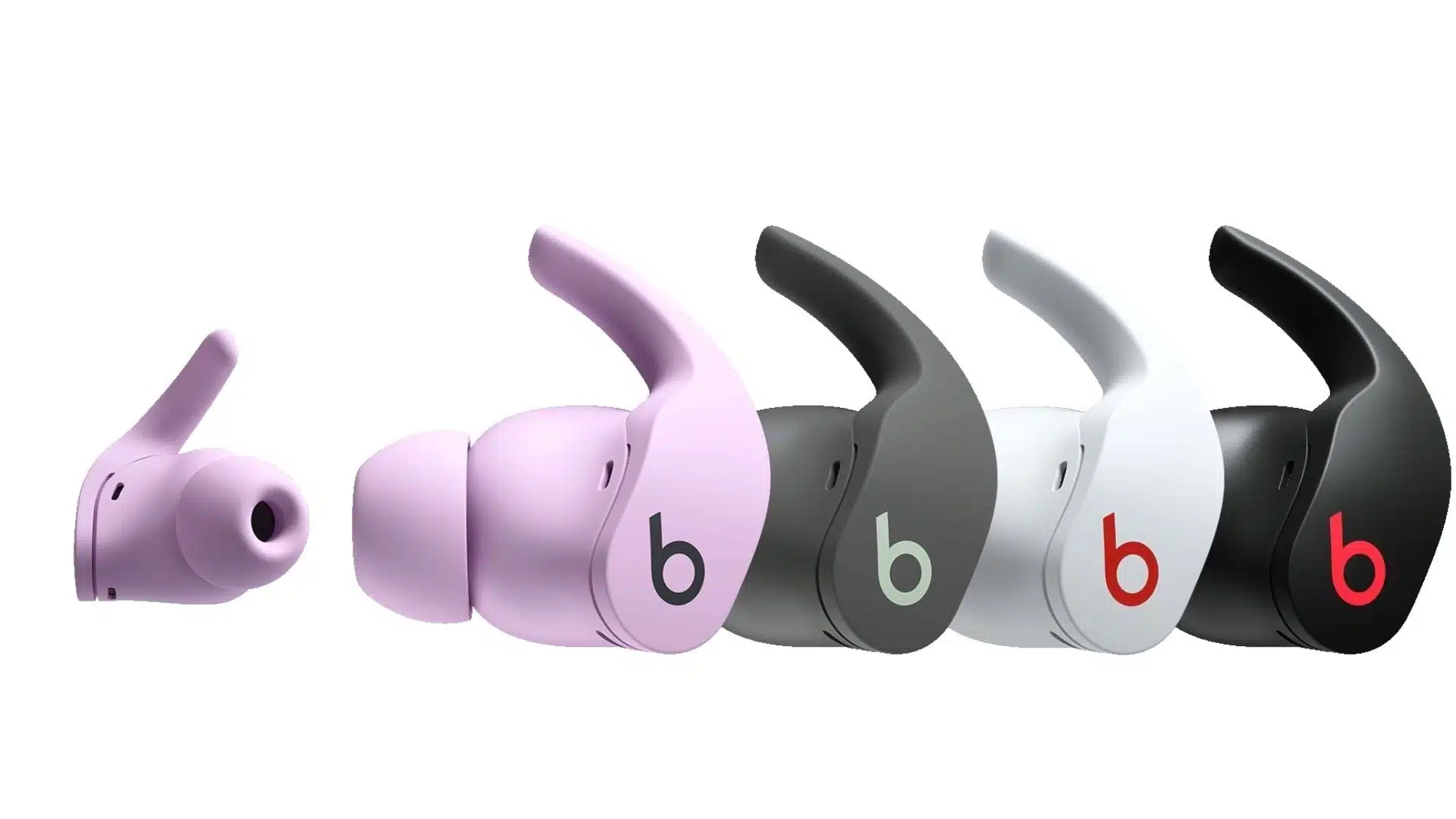
Most reviews just tell you these earbuds “stay in.” I want to tell you why, because it changes how you think about whether they’ll work for your ears.
The wingtip is a small, bendable silicone tab. When you put the earbuds in, it twists and seats itself against the antihelix, that curved ridge of cartilage sitting just above your ear canal.
Once it’s there, the force holding the earbud in place spreads across the whole bowl of your outer ear, not just the canal wall.
That’s the key difference from standard tips.
A normal silicone tip grips by friction inside the ear canal. The anchor point is tiny. The moment your head turns, or you jump, or you change direction mid-run, the angle shifts. Friction drops. The earbud starts working loose. You’ve probably felt this.
Why This Beats Rigid Ear Fins Too
Ear fins push against one spot on the upper wall of your outer ear. They work, but only if your ear’s shape is close enough to what the fin expects. If it isn’t, you get either no grip or a pressure point.
The Beats Fit Pro wingtip bends. It finds your contour instead of demanding your ear match its shape. That’s why these hold up across different ear shapes where fins are hit-or-miss.
The One Situation Where It Gets Uncomfortable
Here’s where I’d want someone to warn me: if your antihelix is unusually shallow or narrow, the wingtip may not distribute pressure the way it’s supposed to. Instead of spreading the contact across a larger surface, it lands on a single small spot.
For sessions under an hour, you probably won’t notice. Push past 60 to 90 minutes, and that spot starts to ache. The earbud isn’t moving; it’s staying exactly where you put it, but the pressure accumulates.
This isn’t a defect. It’s just anatomy. Most people never hit this problem. But if your ears are on the smaller or shallower side, try them before you commit.
Sound Quality and ANC: What to Actually Expect
The Beats Fit Pro sound energetic and bass-heavy. They’re tuned for the gym, not the listening room. Here’s what that means in practice.
Bass-Forward Tuning — What It Means in Practice
The low end hits hard. Kick drums land with weight. Bass lines feel physical. For running playlists, hip-hop, electronic music, and high-energy podcasts, this tuning is genuinely enjoyable.
Push it toward acoustic guitar, classical, or detailed vocal recordings, and things get a little thick. The midrange doesn’t have the clarity you’d want for that kind of listening.
I’ve seen tech reviewers mark these down for that, and I get it. But those reviewers and most gym users are measuring completely different things. If you’re buying these to run in, the sound will not disappoint you. If you’re buying them to critically listen to jazz at home, they’ll frustrate you.
ANC and Transparency Mode
The ANC is solid. It handles the things you actually need it to handle: HVAC hum, gym chatter, train noise. It doesn’t create that tight, pressurised feeling some ANC implementations do. Genuinely comfortable to wear for long stretches.
Transparency mode is a different story. Passthrough audio sounds slightly processed. Voices come through clearly enough, but there’s an artificial quality to it that you can’t quite unhear once you notice it.
At this price range, transparency mode quality varies a lot between products. The Beats Fit Pro sits toward the bottom of that range.
If transparency mode is important to you, if you need to hear your surroundings naturally during runs or city commutes, this is a real weakness. Don’t gloss over it.
Spatial Audio and Head Tracking
Spatial Audio with dynamic head tracking works on iOS and macOS. When you turn your head, the sound stays anchored to your screen instead of rotating with you. It’s genuinely impressive when you first try it.
On Android, you don’t get this. The Beats app gives you EQ, firmware updates, and device switching, but head-tracked spatial audio needs Apple’s system to function.
If you’re choosing between these and AirPods Pro and you’re on iOS, this is one of the real functional differences worth knowing about.
Battery Life, Charging, and Case Design
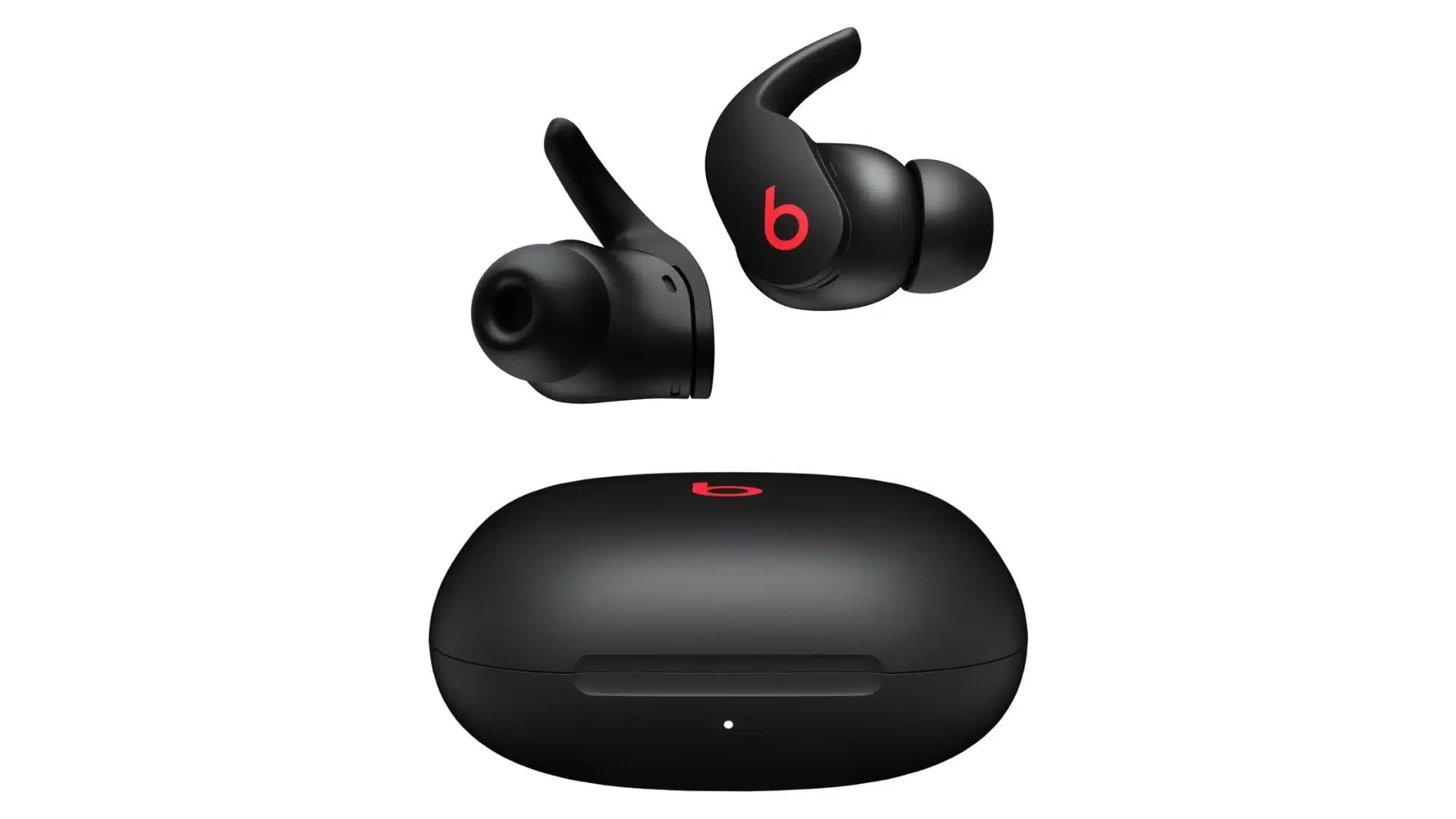
With ANC on, you get around six hours per charge. Add the case and total battery lands somewhere between 18 and 24 hours. Different sources give different numbers depending on how ANC usage is measured, so treat that as a range rather than a guarantee. Check the official spec before you publish anything with a specific number attached.
The fast charge is worth paying attention to. Five minutes plugged in gives you an hour of playback. If you forget to charge the night before and you’re walking out the door to a workout, that actually saves you.
The case charges via USB-C. Good. What it doesn’t do is charge wirelessly. At $150 to $200, that’s a gap. Qi wireless charging isn’t a luxury feature at this price anymore; the AirPods Pro case has it, and several direct competitors include it.
If you have a wireless charging mat on your desk or nightstand, the Beats Fit Pro case won’t work with it. That’s a daily friction point, and it’s worth knowing going in.
Beats Fit Pro vs. AirPods Pro: Which One Is Actually for You?
Here’s the thing most comparisons get wrong: these aren’t competing earbuds with slightly different specs. They’re built for different primary purposes. The question isn’t which one is better — it’s which one matches your life.
The AirPods Pro are all-purpose earbuds built deep into Apple’s ecosystem. They appear in Find My. They talk to your Apple Watch. Siri works on them the way Siri is actually supposed to work. If your whole life runs on Apple hardware and you want one set of earbuds that does everything seamlessly, the AirPods Pro are built for you. They’re excellent at that.
The Beats Fit Pro are workout earbuds that happen to work on any device. The wingtip gives them a retention system the AirPods Pro simply doesn’t have. The H1 chip means Android users get a complete experience, not a stripped-down one. What you give up is ecosystem depth — no Find My, no Apple Watch integration, no AirPods-quality Siri.
Here’s the single most useful thing I can tell you: if your earbuds fall out during workouts, the Beats Fit Pro fix that. The AirPods Pro don’t. That one fact decides the comparison for a lot of people, regardless of what the review scores say.
If You’re on Android
You’re not getting a downgraded experience here. The Beats companion app gives you full EQ control, firmware updates, and device switching. Everything core like audio, ANC, Transparency mode, and controls, works identically on Android and iOS.
The only thing you’re missing is spatial audio with dynamic head tracking. That requires Apple’s system and you can’t have it on Android, full stop.
If you were considering AirPods Pro as the alternative: don’t. AirPods Pro on Android loses a significant chunk of its functionality. For Android users, the Beats Fit Pro is the stronger choice and it isn’t particularly close.
If Your Primary Use Is Exercise
Both the Beats Fit Pro and AirPods Pro carry IPX4 ratings, so sweat resistance is equal. The stability gap is not equal. For pure workout use, the Beats Fit Pro win at this price.
That said, the more honest comparison for exercise-first buyers is against the Powerbeats Pro 2 and the newer Powerbeats Fit. Both solve the fit problem through different mechanical approaches, over-ear hooks versus wingtips.
Check current pricing on all three before you decide. The landscape in this category has shifted recently.
Long-Term Durability: What Happens After a Year
The durability concern I’d want you to know about before buying is wingtip delamination. The silicone tip starts to peel or separate from the housing.
In Reddit long-term ownership threads, particularly in r/beatsbydre, this shows up consistently around the 12 to 24 month mark for heavy users.
This isn’t a handful of unlucky buyers. It’s a pattern. I’d rather tell you plainly than bury it in a qualifier.
The rate of wear depends on how you use them. If you sweat heavily, or if you apply sunscreen, insect repellent, or gym chalk before handling your earbuds, degradation happens faster.
Silicone handles sweat reasonably well. The compounds in skin products are harder on the adhesion between the wingtip material and the housing.
If you train outdoors regularly, or you reach for a product before heading to the gym, this is a higher-probability problem for you than for someone who uses these mostly indoors.
Two more things that matter for the long game.
First: IPX4 means sweat and light rain are fine. It doesn’t mean you can rinse them under a tap. High-pressure water and submersion are outside the rated protection. Clean them carefully.
Second, and this one genuinely surprised me when I looked into it, Beats doesn’t sell replacement wingtips separately.
If the wingtip wears out, you’re not buying a $5 replacement part. You’re contacting Beats support and making a warranty claim. On a $150 to $200 product, that’s a total cost of ownership detail worth knowing before you buy.
Verdict: Who Should Buy the Beats Fit Pro?
The Beats Fit Pro are the right earbuds if staying in during a workout is your main requirement. They’re the wrong earbuds if it isn’t.
Here’s how to read your own situation:
Buy them if you:
- Have earbuds fall out during workouts and haven’t found a fix
- Are on Android and want a full-featured experience (not the compromised one you’d get from AirPods Pro)
- Have tried ear fins and found them unreliable
The wingtip solves a real problem. The sound is well-matched to exercise. The Android experience is complete.
Skip them if you:
- Live inside the Apple ecosystem and want Spatial Audio everywhere: commuting, watching video, not just at the gym
- Use a wireless charging mat and don’t want to change that habit
- Mostly listen passively and want neutral sound with strong transparency mode performance
In those cases, the AirPods Pro are the better fit.
One thing before you decide: check current pricing on the Powerbeats Fit and Powerbeats Pro 2. Both tackle the same stability problem through different designs. Depending on what they’re going for right now, one of them may be a better-value version of the same core idea. Pricing on all three moves around, so always verify before you commit.
Frequently Asked Questions
Are the Beats Fit Pro being discontinued?
As of mid-2025, Beats hasn’t announced discontinuation. Apple launched the Powerbeats Fit and refreshed the Powerbeats Pro 2 as separate products, but the Beats Fit Pro is still available at major retailers. Confirm availability because product lineups shift.
Do the Beats Fit Pro work well with Android phones?
Yes. The Beats app on Android gives you full EQ control, firmware updates, and device switching. The only gap versus iOS is spatial audio with dynamic head tracking, that needs Apple’s ecosystem to function. Everything else, audio, ANC, Transparency mode, and controls work identically.
How long does the battery last with ANC on?
Around six hours per charge with ANC running. The case brings total battery to somewhere between 18 and 24 hours across multiple charges. Five minutes of charging gets you roughly one hour of playback.
Are the Beats Fit Pro good for phone calls?
Generally yes. The mic handles voice clearly in moderate background noise. In loud outdoor environments with traffic, wind, or a busy street, performance drops to adequate rather than great. People on the other end report natural-sounding audio, which makes these a reasonable option if you split time between gym sessions and calls.



One Response