
Premium headphones should do more than look expensive. I expect them to sound great, feel comfortable for hours, and make everyday listening simple without getting in the way.
AirPods Max promise all of that, but they also come with a high price that raises expectations.
After spending time looking at their sound, comfort, battery life, design, and everyday usability, I found that some features stand out more than others.
This AirPods Max review focuses on what it is actually like to own them, where they perform well, where they fall short, and who will get the most value from buying them.
AirPods Max Review: Design and First Impressions
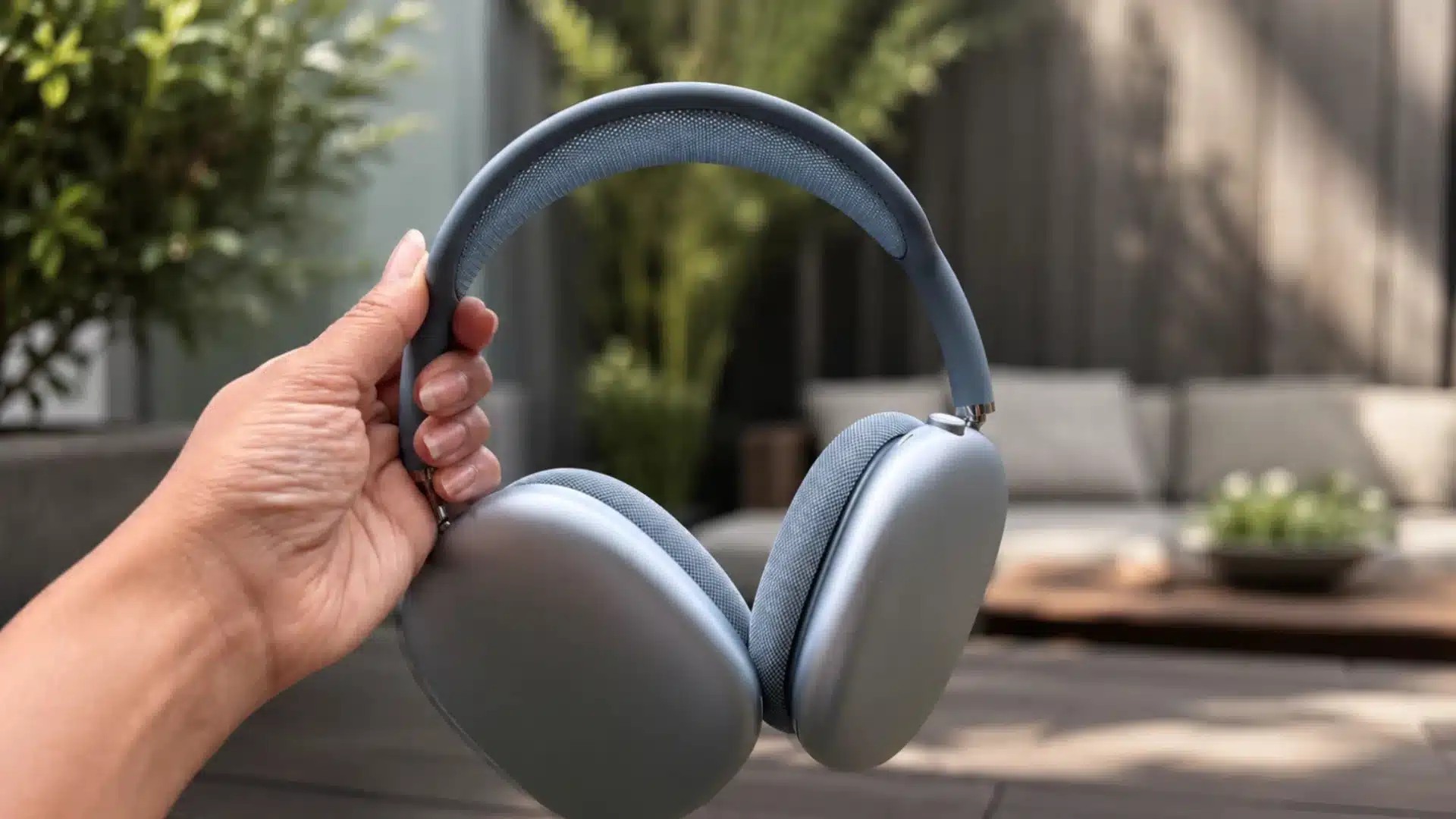
AirPods Max stand out the moment you pick them up.
The aluminum ear cups, stainless steel frame, and knit-mesh headband give them a solid, high-quality feel that is different from most plastic competitors, a gap that becomes obvious once you look at the Beats Studio Pro build side by side.
The mesh canopy helps spread the weight across your head, while the memory foam ear cushions create a secure seal around your ears.
Instead of touch controls, Apple uses a Digital Crown for volume, playback, calls, and Siri, plus a separate button to switch between Active Noise Cancellation and Transparency mode.
The only downside is the weight, which is noticeable compared to many competing over-ear headphones.
AirPods Max’s Sound, Comfort, and Battery Trade-offs
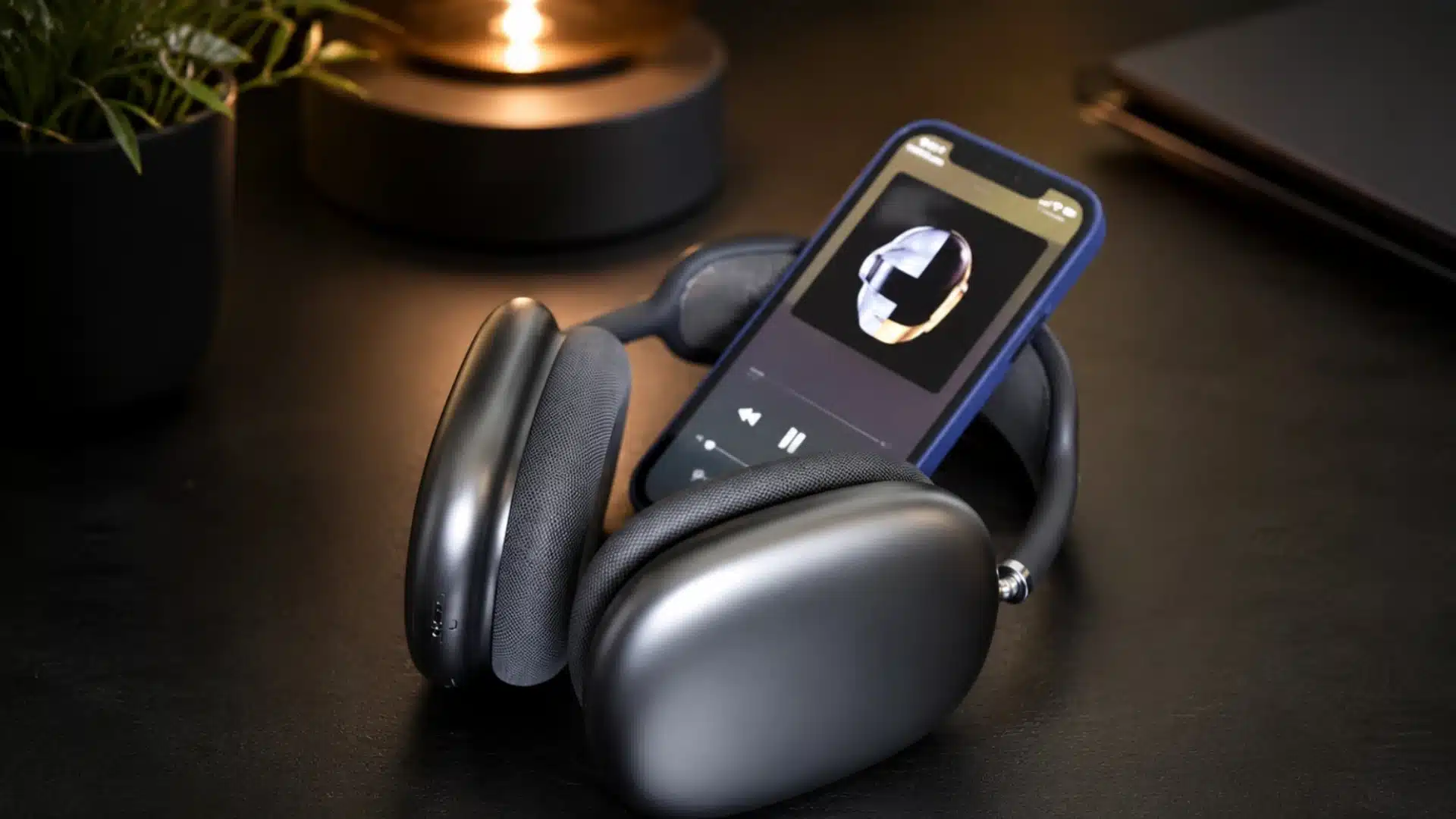
AirPods Max deliver impressive sound and premium materials, but those strengths come with extra weight and average battery life.
The experience feels refined, though each advantage brings a practical compromise worth considering before you buy.
1. Sound Quality and Spatial Audio
AirPods Max produce a balanced sound with controlled bass and a wide soundstage. Vocals remain clear, while instruments feel well separated across music genres.
Spatial Audio with head tracking adds a stronger sense of direction during movies and compatible games, making scenes feel more immersive without overpowering dialogue or smaller sound details.
2. Noise Cancellation and Transparency Mode
Active Noise Cancellation is one of AirPods Max’s strongest features. It does an excellent job of reducing constant background sounds like airplane engines, traffic, and office noise, making music and calls easier to hear.
Transparency mode is equally impressive, allowing outside sounds to come through naturally without removing the headphones.
Switching between the two modes is quick, making them useful in both quiet spaces and busy environments.
3. Comfort During Long Listening Sessions
The knit-mesh canopy distributes pressure evenly across the head, reducing the concentrated discomfort caused by narrow headbands. However, the roughly 385-gram build feels heavier than rivals from Sony and Bose.
Comfort remains good while sitting at a desk, but the weight becomes more noticeable during long commutes, walking, or extended daily use.
4. Battery Life and Charging Performance
AirPods Max provide up to 20 hours of listening with active noise cancellation and Spatial Audio enabled. That is enough for most daily routines, although several competing headphones last longer.
A five-minute charge delivers around 1.5 hours of playback, which helps in a hurry but does not replace planning for a full recharge.
Overall, AirPods Max sound excellent and remain comfortable in controlled settings, but their weight and battery performance may limit their appeal for frequent travelers.
AirPods Max: The Real Downsides Buyers Run Into
AirPods Max feel premium, but several ownership issues become harder to ignore once you start using them outside the home.
- The Smart Case protects only the earcups, leaving the knit-mesh headband exposed to dirt, pressure, and accidental damage inside a bag.
- The headphones do not fold inward, so they occupy more space than rivals and often need gear that holds up during travel.
- Daily commuters will notice this limitation most because the included case offers little protection against scratches, spills, and other packed items.
- The $549 price is difficult to justify when Sony and Bose alternatives offer lighter builds, easier storage, and comparable noise cancellation.
- Purchasing a better case adds another expense, pushing the ownership cost beyond the retail price.
These drawbacks do not ruin the experience, but they make AirPods Max less practical for frequent travelers and value-focused buyers.
What Real Owners Say About AirPods Max
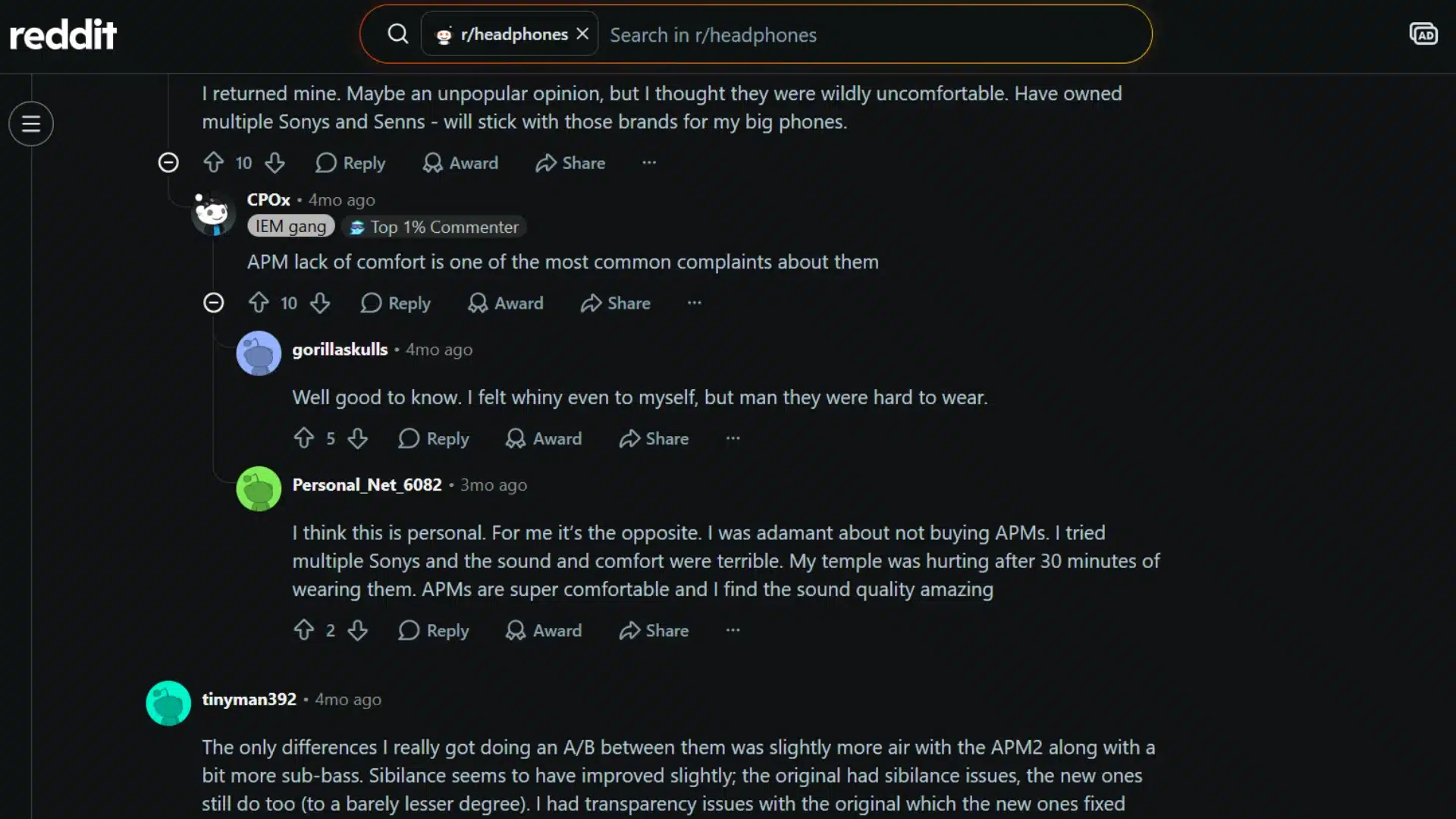
The Reddit discussion is mixed, but comfort is the biggest dividing point. Several users say AirPods Max feel too heavy or uncomfortable for long sessions, with some returning them and preferring Sony or Sennheiser headphones instead.
Others strongly disagree, saying comfort depends on the individual. One commenter found AirPods Max more comfortable than multiple Sony models and also preferred their sound quality.
The comparison between the original and AirPods Max 2 suggests only small audio changes. Users noticed slightly more openness, a little extra sub-bass, and modestly reduced sibilance. Transparency performance also appears improved on the newer model.
Overall, the discussion suggests AirPods Max can sound excellent, but fit and comfort are highly personal. AirPods Max seems more like a minor refinement than a major upgrade.
Who Should Buy AirPods Max
AirPods Max suit a specific type of listener, so your routine matters more than individual specifications.
| Best For | Less Suitable For |
|---|---|
| People already using multiple Apple devices | Android users who receive fewer ecosystem benefits |
| Listeners who spend most of their time seated | Gym-goers who need a lighter and more secure fit |
| Buyers who value premium materials and build quality | Travelers who need compact, foldable headphones |
| Users who want strong sound and seamless device switching | Buyers focused mainly on value and portability |
| Home, office, movie, and desk-based listening | Long commutes or active daily use |
The simplest verdict from this AirPods Max review is clear: choose them for stationary listening within the Apple ecosystem, but consider lighter alternatives when portability matters more.
Conclusion
After spending time with them, I think AirPods Max still offer one of the best listening experiences for people who already use Apple devices.
The sound quality, premium build, and smooth ecosystem features make them enjoyable for music, movies, and everyday use.
At the same time, the extra weight, limited portability, and high price mean they are not the best fit for everyone.
If you are deciding based on long-term value, this AirPods Max review should help you see both the strengths and the trade-offs more clearly.
Have you tried AirPods Max? Share your experience or questions in the comments below.
Frequently Asked Questions
Are AirPods Max still worth it?
They’re worth it mainly for deep Apple ecosystem users who value build quality and sound over portability. The price and lack of foldability remain real drawbacks. For casual or active use, lighter competitors offer better value. For premium, stationary listening within Apple’s ecosystem, they still hold up well.
What’s the main difference between AirPods Max and AirPods Max 2?
The shell is unchanged. AirPods Max 2 adds USB-C lossless audio, stronger active noise cancellation, Adaptive Audio, and Conversation Awareness. Current AirPods Max owners gain little by upgrading unless they specifically want wired lossless playback or the newer software-driven listening features.
Is the AirPods Max Smart Case actually useful?
It protects only the earcups, leaving the knit headband exposed to wear and scuffing. It’s better than nothing for dust, but many owners consider it insufficient for daily transport in a bag, especially compared to hard-shell cases from competing brands.
Are AirPods Max good for the gym or running?
Not ideally. At around 385 grams, they’re noticeably heavier than in-ear or lighter over-ear alternatives, and they don’t fold for portability. They’re better suited to seated or stationary listening than active workouts or travel-heavy use.