
I usually judge earbuds by one simple question: will I still want to wear them after an hour? Sound quality matters, but comfort, fit, controls, battery life, and how securely they stay in place matter just as much.
That is where this comparison gets interesting. The debate around Beats Fit Pro vs AirPods Pro is not about which pair is better overall. It is about which one suits your routine.
Both have strong noise cancellation and polished sound, but their strengths show up in different situations. Ahead, you will see how they compare before deciding which pair deserves your money most.
Beats Fit Pro vs AirPods Pro: The Core Difference
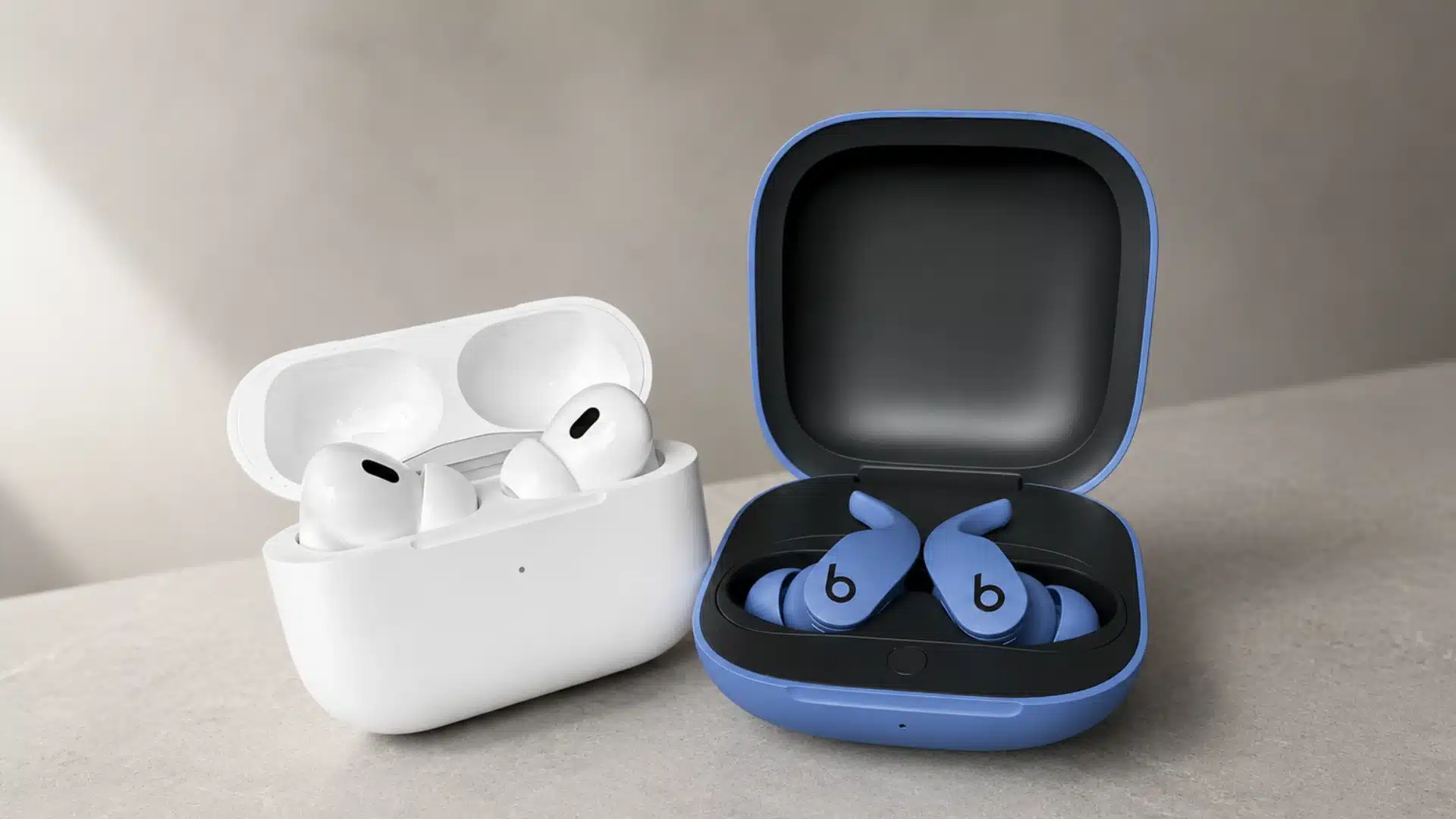
The main differences become easier to spot when you compare fit, sound quality, noise cancellation, workout security, comfort, and performance during everyday listening and travel.
| Feature | Beats Fit Pro | AirPods Pro |
|---|---|---|
| Fit and design | Fixed silicone wingtips lock securely inside the ear. | Lightweight stem-style design feels natural during extended wear. |
| Best use | Better for running, gym sessions, and high-impact activities. | Better for commuting, travel, work, and everyday listening. |
| Workout security | The secure fit reduces movement during exercise. | The earbuds may loosen during intense workouts or heavy sweating. |
| Sound profile | Punchier, bass-forward sound suits energetic playlists. | Clearer detail and a more balanced, polished sound. |
| Noise cancellation | Effective noise cancellation, but less advanced overall. | Stronger noise cancellation powered by Apple’s H2 chip. |
| Price | Usually the more affordable option. | Typically costs more due to its advanced features. |
Overall, AirPods Pro are better for refined everyday listening, while Beats Fit Pro make more sense for secure workout use. The right choice depends on where and how you listen most.
Where the Trade-Offs Actually Show Up
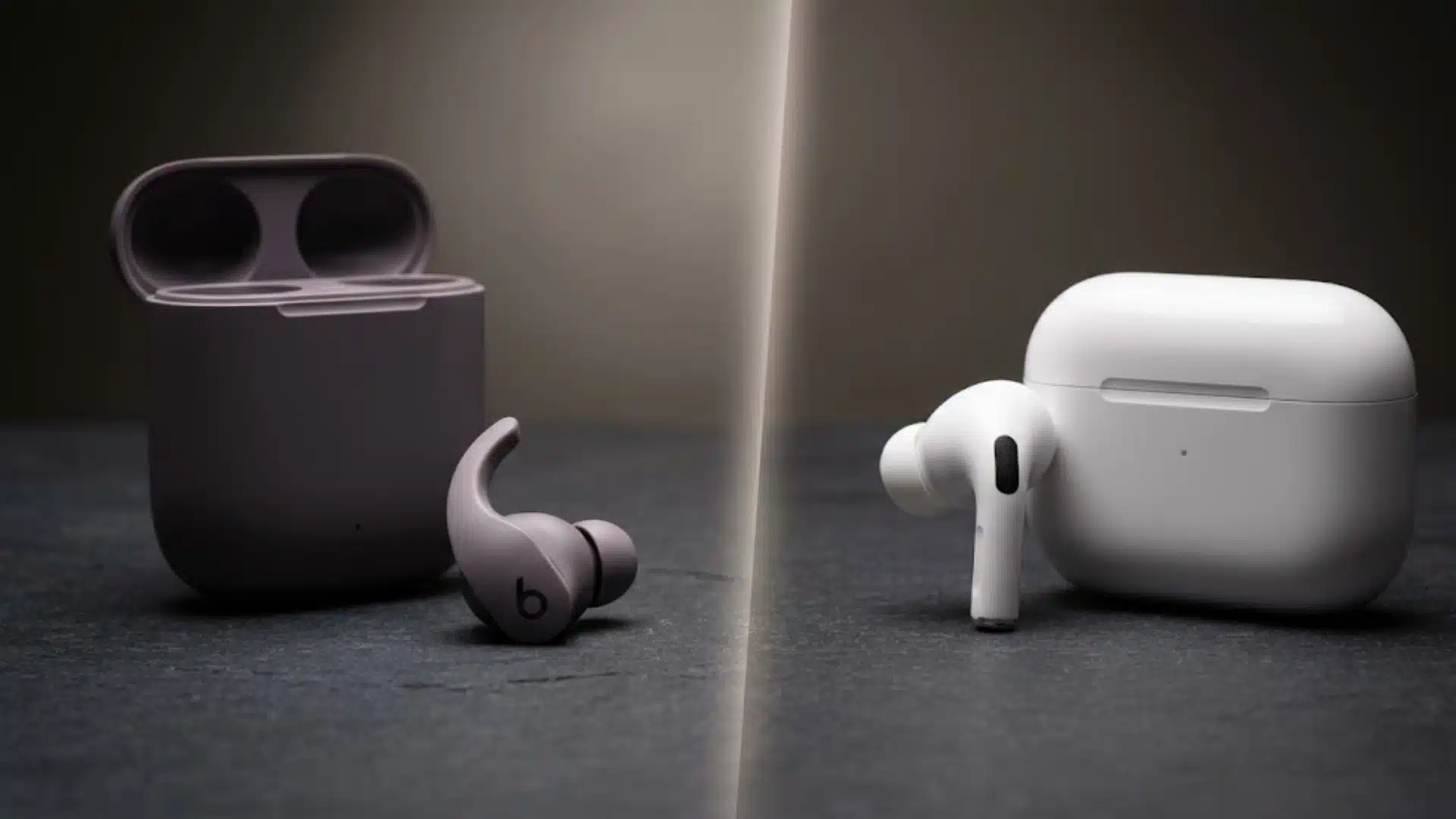
Four areas separate these earbuds in daily use: fit, sound, call quality, and battery life. Here’s how each one breaks down.
1. Fit and Sweat Resistance
The Beats Fit Pro carry an IPX4 sweat resistance rating, and their wingtip design keeps them anchored during movement.
The AirPods Pro carry an IP54 rating for dust and splash resistance, with a stem design that suits calm, everyday settings better than intense workouts.
2. Sound Signature and ANC
The Beats Fit Pro, still running Apple’s older H1 chip, deliver punchy, bass-heavy sound that works especially well for hip-hop, EDM, workouts, and other high-energy listening sessions.
The AirPods Pro deliver a wider soundstage and more balanced clarity across genres, backed by stronger noise cancellation.
3. Call Quality and Mic Performance in Noise
This is where the gap is easy to overstate. Both earbuds use beamforming microphones, but the AirPods Pro’s H2 chip runs more aggressive real-time noise filtering on voice signals. In quiet rooms, the difference is barely noticeable.
AirPods Pro keep calls clearer in wind, traffic, and crowds, while Beats Fit Pro allow more background noise to reach the microphone.
4. Battery, Charging, and Price
The Beats Fit Pro offer 6 hours of listening with ANC on, and gadgets worth carrying every day like these hit 27 hours total with the case, charged over USB-C.
AirPods Pro offer up to 30 hours with versatile wireless charging, while Beats Fit Pro cost less at around $199 versus $249.
These differences make the choice simple: pick Beats Fit Pro for secure workouts and stronger bass, or AirPods Pro for better calls, ANC, and charging flexibility.
What They Feel Like After a Full Day
Specifications do not always explain what wearable reviews don’t tell you about how earbuds actually feel after several hours of calls, music, commuting, and workouts.
The Beats Fit Pro stay secure, but their fixed wingtips can create pressure if your ears are sensitive or if you wear them continuously.
AirPods Pro usually feel lighter during long listening sessions because they do not press against the outer ear.
Their stems also make them easier to remove quickly when someone starts talking to you. However, that relaxed fit may require occasional adjustment during running or heavy movement.
The charging case also affects daily convenience. AirPods Pro support more charging methods, while the Beats Fit Pro case relies on USB-C.
For mixed daily use, AirPods Pro feel less noticeable, but Beats Fit Pro provide more confidence when staying securely in place matters.
The actual weight difference is small, about 5.4 grams per AirPods Pro earbud versus 5.6 grams for the Beats, so most of that lighter feeling comes from where the weight sits, not how much of it there is.
Which One Fits Your Situation
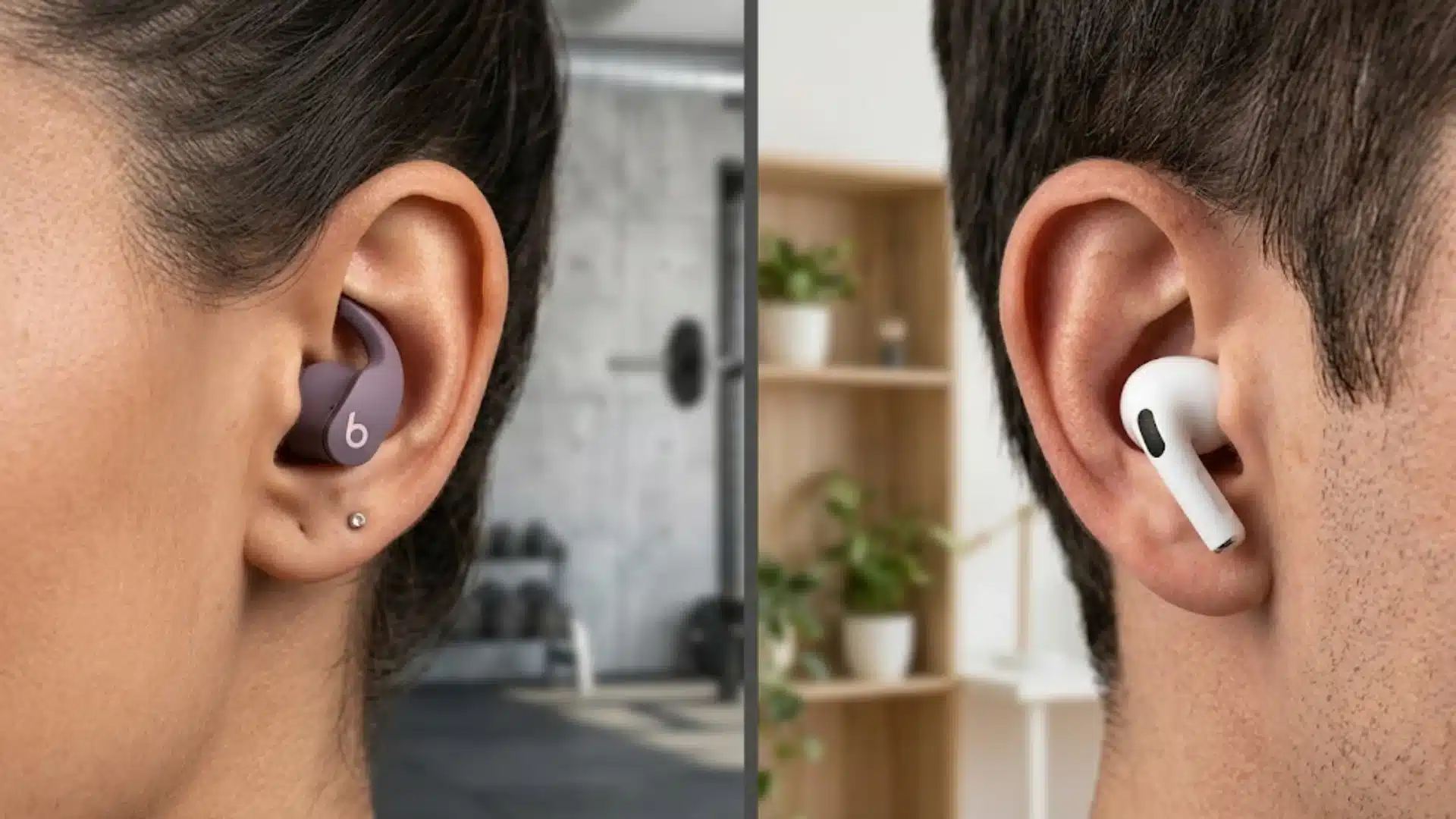
Your routine and phone ecosystem should guide the final choice more than differences on a specification sheet.
- Choose the Beats Fit Pro if you run, lift, or train regularly. Their fixed wingtips create a locked-in fit that stays secure during sprints, jumps, and fast movement.
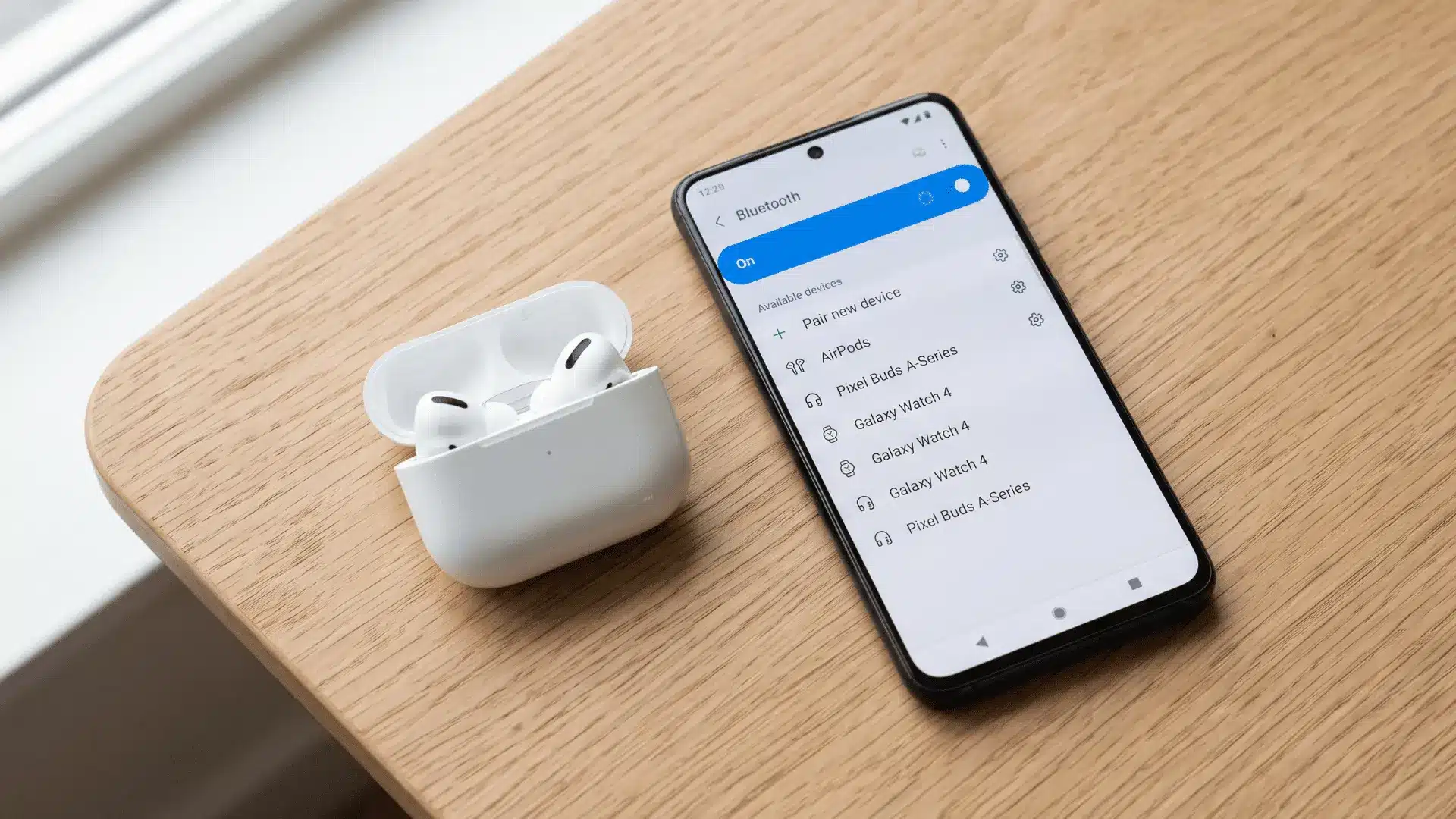
- Beats Fit Pro also suit Android users because the dedicated Beats app provides controls, fit testing, firmware updates, and listening settings outside Apple’s ecosystem.
- Pick the AirPods Pro if you use an iPhone, iPad, Mac, or Apple Watch. Seamless device switching and deeper Apple integration make daily use more convenient.
- AirPods Pro also offer stronger noise cancellation, clearer calls in busy surroundings, and flexible wireless charging through Qi, MagSafe, or an Apple Watch charger.
Overall, Beats Fit Pro favor active and Android users, while AirPods Pro suit Apple-focused everyday listening.
Conclusion
For me, the choice comes down to where the earbuds will spend most of their time. I would pick Beats Fit Pro for workouts because the wingtips feel secure during runs, lifts, and movement.
For commuting, calls, and long listening sessions, I would choose AirPods Pro for their comfort, stronger noise cancellation, and convenient charging options.
Android users may prefer the flexibility of the Beats app, while Apple users will benefit from seamless device switching.
Which pair fits your routine better? Share your choice and the feature that matters most to you in the comments.
Frequently Asked Questions
Are Beats Fit Pro as good as AirPods Pro?
They’re close but not identical. AirPods Pro edge ahead on ANC and call clarity thanks to Apple’s H2 chip, while Beats Fit Pro match up well on everyday sound and pull ahead on workout security thanks to their wingtip fit. For most listening situations, the gap in quality is smaller than the gap in price.
Which is better for running, Beats Fit Pro or AirPods Pro?
Beats Fit Pro, for most runners. Their wingtip locks into the ear and resists loosening during high-impact movement, while AirPods Pro rely on a stem fit that can shift during heavy sweat sessions. Both carry sweat resistance ratings, but the physical fit is the bigger factor for running specifically.
Do Beats Fit Pro work well with Android phones?
Yes, better than AirPods Pro do. Beats Fit Pro include a dedicated Android app for controls and updates, something AirPods Pro don’t offer outside Apple’s ecosystem. Core listening features work fine on either device, but Android users get a more complete experience with Beats.
Is the price difference between Beats Fit Pro and AirPods Pro worth it?
It depends on priorities. AirPods Pro’s higher price buys stronger ANC, clearer calls, and MagSafe charging convenience. Beats Fit Pro cost less while still delivering solid sound and a more secure fit for workouts, making them the better value pick for exercise-focused buyers.