


A threat doesn’t become dangerous the moment it hits; it becomes dangerous the moment it goes unrecognized. By the time most security teams are responding, the window to act has already narrowed.
That’s the problem a cyber threat intelligence analyst is built to solve, not by reacting faster, but by understanding threats before they reach the door.
In practice, the role is regularly confused with SOC work or incident response. It’s neither. It’s the part of security that runs ahead of the incident, turning scattered signals into decisions that actually hold up.
What is a Cyber Threat Intelligence Analyst?
A cyber threat intelligence analyst, often called a CTI analyst, is someone who turns scattered threat data into clear, usable insight. In simple terms, they don’t just collect information. They make sense of it.
Every day, systems generate huge amounts of raw data. This includes IP addresses, malware files, suspicious activity logs, and more. On its own, this data means very little.
The analyst’s job is to answer one key question: Does this data point to a real threat, and does it matter to us?
This is where the difference between data and intelligence becomes important.
- Data is raw and unfiltered. For example, a list of suspicious IP addresses.
- Intelligence is processed and meaningful. For example, identifying that those IPs belong to a known attacker targeting your industry.
This role sits on the proactive side of cybersecurity. Instead of reacting to attacks after they happen, CTI analysts try to understand threats before they hit.
A common misunderstanding is that they just monitor alerts or respond to incidents. That’s not their core job. They focus on understanding threats, not just reacting to them.
How Cyber Threat Intelligence Actually Works: End-to-End Process)
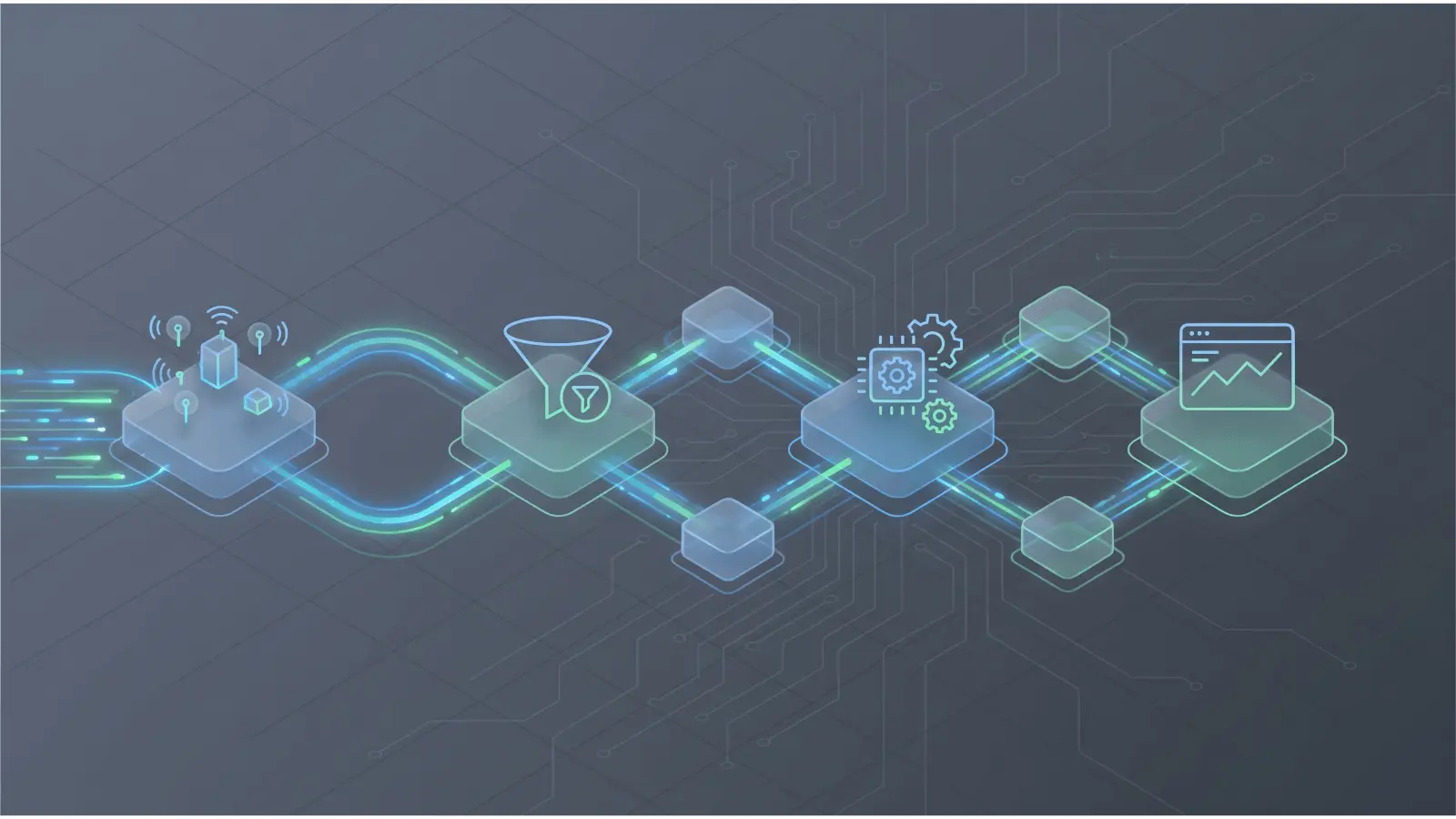
To understand the role properly, you need to see the full workflow. It’s not one task. It’s a chain of steps where each one builds on the previous.
1. Threat Data Collection
Everything starts with gathering information. Analysts pull data from multiple sources like open-source intelligence, dark web forums, internal logs, and threat feeds.
Each source gives a different piece of the puzzle. The reason multiple sources are used is simple.
No single source shows the full picture. If you rely on one, you miss threats happening elsewhere. This step can fail when the collection is too narrow. That creates blind spots where real threats go unnoticed.
2. Data Processing and Filtering
Once data is collected, it needs to be cleaned. Most of what gets collected is noise.
It might be outdated, irrelevant, or harmless. Analysts filter out this noise so only useful signals remain. This step matters because too much noise leads to overload.
When analysts are flooded with useless data, real threats get buried. If filtering is weak, the entire process breaks down later.
3. Analysis and Threat Modeling
This is the core of the role. Here, analysts look for patterns. They study how attackers behave, not just what they do.
These behaviors are often grouped into TTPs, which stand for tactics, techniques, and procedures. Frameworks like MITRE ATT&CK help map these behaviors into structured models.
Other frameworks serve different purposes. The Cyber Kill Chain breaks an attack into stages, from the first reconnaissance all the way to data exfiltration.
The Diamond Model maps the relationship between an attacker, their target, and the infrastructure they use to carry out the attack. Analysts often use these frameworks together to build a fuller, more accurate picture of a threat.
This makes it easier to recognize known attack patterns. The reason this works is that attackers rarely start from scratch. They reuse methods that have worked before.
A key point here is that tools don’t think. They assist, but the analyst decides what matters and what doesn’t.
4. Intelligence Production
After analysis, the findings need to be turned into something usable. This usually takes the form of reports, alerts, or briefings. But not all intelligence is the same.
- Tactical intelligence supports immediate actions
- Operational intelligence helps teams plan responses
- Strategic intelligence guides long-term decisions
The same information must often be explained differently depending on the audience. A security engineer needs technical detail, while leadership needs risk impact.
If communication is unclear, the intelligence becomes useless, even if the analysis was correct.
5. Dissemination and Action
The final step is sharing the intelligence. It goes to security teams, incident responders, and sometimes executives. This is where decisions are made.
For example: intelligence might lead to blocking certain IPs, updating detection rules, or preparing for a specific attack type.
Timing plays a huge role here. Intelligence delivered too late has no value. It must arrive early enough to influence action.
There is also a feedback loop. The results of these actions help improve future intelligence work.
Core Responsibilities in Real-World Workflows
On paper, responsibilities look simple. In practice, they are layered and ongoing.
A CTI analyst constantly monitors the threat landscape. This includes tracking attacker groups, studying new malware, and watching trends across industries.
They also extract indicators of compromise, but they don’t stop there. They add context. They explain what those indicators mean and why they matter.
During security incidents, they support response teams by providing background.
For example: identifying whether an attack matches a known campaign.
A big part of the job is reporting. These reports guide decisions, not just inform.
The core idea behind all of this is linking external threats to what actually matters inside your organization.
If a threat doesn’t affect the organization, it’s not a priority.
This is where many analysts fail early in their careers. They focus on global threats without checking if those threats are relevant.
Key Skills and Why They Matter in This Role
Skills in this role are not just about knowledge. They are about how that knowledge is used.
Technical Understanding
A solid grasp of networks, malware, and security tools is essential. This helps analysts understand what they are looking at. Without it, data can be misinterpreted.
Tools like Splunk for log analysis, or platforms like Recorded Future and Anomali for threat feeds, are common in this work. Knowing how to navigate them and what their outputs actually mean is part of the baseline.
For example: a suspicious network pattern might be harmless, or it might be an attack. Technical knowledge helps tell the difference.
When this skill is weak, wrong conclusions follow.
Analytical Thinking
This is what turns a good analyst into a strong one. Analysts must connect different data points and build a story.
They take small clues and turn them into a clear threat picture. This works because attackers repeat behaviors. Recognizing those patterns allows prediction.
Without this skill, data stays fragmented and useless.
Communication and Translation
Even a perfect analysis has no value if no one understands it. Analysts must explain complex threats in simple terms.
They often translate technical details into business impact. Different audiences need different explanations. A developer and a CEO do not need the same level of detail.
When communication fails, intelligence gets ignored.
How This Role Differs from Other Cybersecurity Roles
Many people confuse CTI with other roles because they overlap slightly. A SOC analyst focuses on monitoring systems and responding to alerts. Their work is reactive.
A CTI analyst focuses on understanding threats before they hit. Their work is proactive. A threat hunter actively searches inside systems for hidden threats. They operate within the environment.
A CTI analyst works more on external intelligence and uses it to guide others. A security researcher dives deep into technical discoveries, like analyzing malware at a low level.
A CTI analyst uses that research to inform defense strategies. The confusion exists because all these roles deal with threats. But their goals are different.
When Cyber Threat Intelligence Fails (And Why)
This role is powerful, but it is not perfect.
One major failure point is information overload. When too much data is collected without proper filtering, real threats get buried under noise that nobody has time to sort through.
Lack of context is just as damaging. A threat that’s hitting banks in Europe may be irrelevant to a mid-size healthcare company in the US. Intelligence must be filtered against what actually matters to your organization; otherwise, it’s just noise with a label on it.
Over-reliance on tools is a consistent problem too. Tools can surface data, but they can’t decide what it means. That interpretation still requires a human analyst.
Timing rounds it all out. Intelligence delivered after an attack is already in motion has almost no value. And even good intelligence goes unused when it isn’t connected to the teams who need to act on it.
The core idea is simple. Intelligence only works if it leads to action. Its value depends on three things: relevance, timing, and clarity.
Common Misconceptions About the Role
There are a few things people regularly get wrong about this role. Clearing them up helps set realistic expectations, whether you’re hiring, studying, or just curious.
| Misconception | The Reality |
|---|---|
| It’s just about collecting threat feeds | Collection is only the starting point. Analysis is where the real work happens, and that part can’t be automated away. |
| It’s an entry-level role | Prior experience in cybersecurity or networking is usually expected before stepping into a CTI position. |
| Tools do all the work | Tools support the process, but they don’t replace judgment. Analysts still decide what the data means and what to do about it. |
| It’s the same as SOC or incident response | These roles connect at certain points, but their goals are different. CTI is proactive; the others are largely reactive. |
Understanding what this role actually is and isn’t makes it easier to see where it fits inside a security team. The distinctions matter more than most people realize.
How to Become a Cyber Threat Intelligence Analyst
Most CTI roles are not entry-level. They typically expect two to five years in a related role first. SOC analysis, incident response, or network security are common starting points.
From there, certifications like the EC-Council’s Certified Threat Intelligence Analyst (CTIA) or CompTIA CySA+ help build and prove your skills.
Strong candidates usually have hands-on experience with SIEM tools, reading threat reports, and understanding how attackers operate. Building that foundation first is the fastest path into this role.
Conclusion
Now you have a clear picture of what a cyber threat intelligence analyst really does. It’s not just about data. It’s about turning that data into decisions that actually protect systems.
As you think about this role, focus on the process. How information moves from raw signals to real action is what makes it valuable.
If one thing stands out, let it be this. Intelligence only matters when it leads to the right decision at the right time.
Want to go deeper into cybersecurity roles or skills? Check out our other blogs and keep building your understanding.
Frequently Asked Questions
What tools do cyber threat intelligence analysts use?
They use tools like threat intelligence platforms, SIEM systems, and network analyzers to collect and study data. These tools help process data, but analysts still interpret it.
Is coding required for a cyber threat intelligence analyst?
Coding is not always required, but basic scripting helps. It makes it easier to automate tasks, analyze data faster, and work more efficiently with large datasets.
What industries hire cyber threat intelligence analysts?
Many industries hire them, including finance, healthcare, government, and tech. Any organization that handles sensitive data or faces cyber risks needs this role.
How is cyber threat intelligence different from cybersecurity?
Cybersecurity focuses on protecting systems. Cyber threat intelligence focuses on understanding threats. It supports cybersecurity by helping teams prepare before attacks happen.