
Your smartphone is one of your most valuable possessions, yet many of us treat it with surprisingly little care. Between accidental drops, scratches from keys in pockets, and exposure to the elements, our phones face constant threats. The good news is that protecting your device doesn’t require complicated strategies or expensive solutions. With the right approach and a few practical habits, you can significantly extend your phone’s lifespan and keep it looking newer for longer.
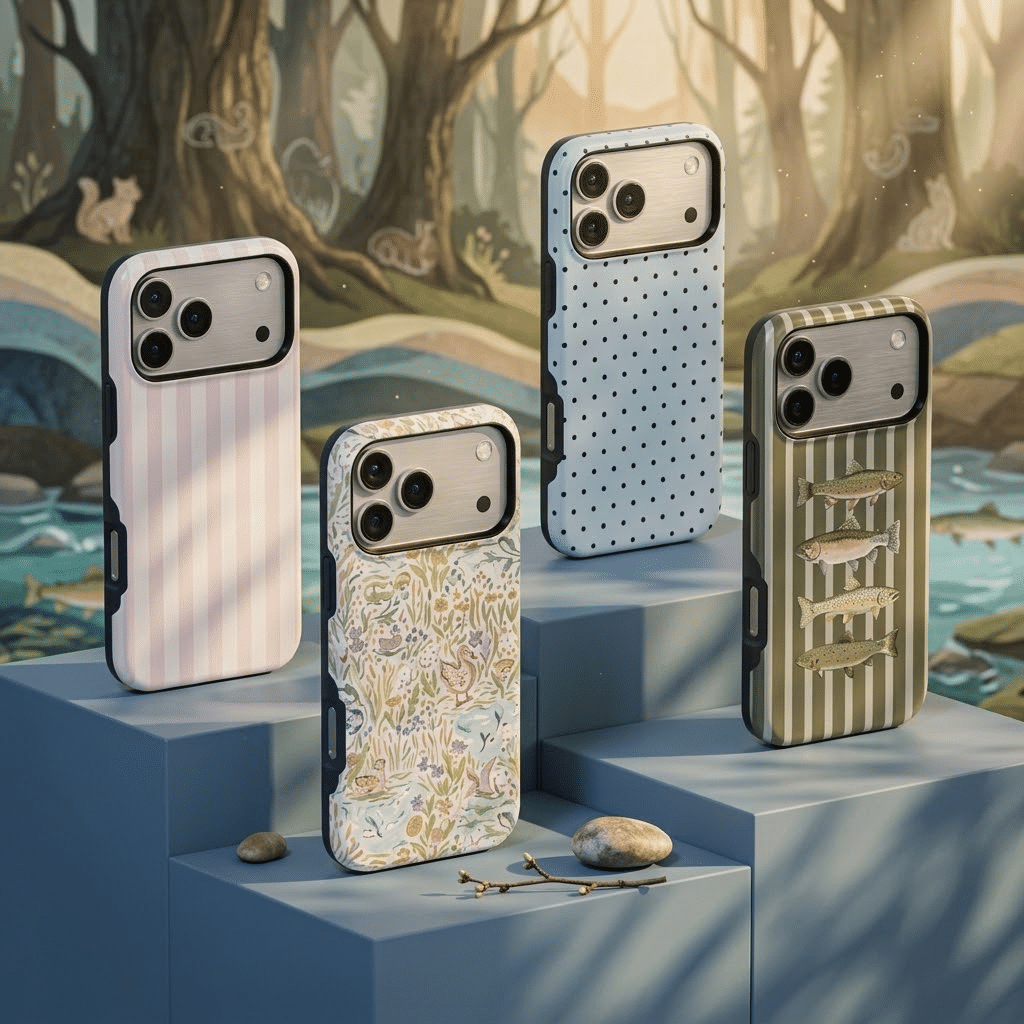
The first line of defense against damage is understanding what threats your phone actually faces. Most people think about drops and impacts, but everyday wear and tear often causes more cumulative damage than dramatic accidents. Dust particles, moisture, temperature fluctuations, and UV light all contribute to degradation over time. By recognizing these threats and taking preventative action, you can avoid costly repairs or premature replacement. Whether you’re using a flagship model or a budget device, the principles of phone protection remain the same. Many people invest in solutions like a protective iPhone 18 Pro cases or similar accessories, but protection goes beyond just selecting the right case.
Understanding Your Phone’s Vulnerabilities
Modern smartphones are engineering marvels, but they’re also surprisingly fragile. The glass screens and metal frames that make phones sleek and attractive are inherently vulnerable to damage. A drop from waist height onto concrete can shatter a screen, and even minor impacts can cause internal damage that isn’t immediately visible. The back glass, while durable, scratches easily and can crack if your phone lands on a hard edge.
Beyond physical impacts, your phone faces environmental threats. Moisture is one of the most dangerous enemies, even for phones with water resistance ratings. While many modern phones can survive brief water exposure, prolonged moisture exposure or submersion beyond their rated depth can cause serious problems. Salt water and chlorinated water are particularly damaging. Temperature extremes also take a toll. Leaving your phone in a hot car or exposing it to freezing temperatures can damage the battery and affect performance.
The Case Question: Finding The Right Balance
Choosing a phone case involves balancing protection with usability and aesthetics. Some people prefer slim cases that maintain their phone’s original feel, while others prioritize maximum protection even if it adds bulk. There’s no universally correct answer, but understanding the trade-offs helps you make an informed decision.
Slim cases offer minimal protection but preserve your phone’s design and portability. They typically protect against scratches and minor drops but won’t save your phone from a fall onto hard surfaces. Thicker cases with reinforced corners and raised bezels provide significantly better protection against impacts and drops. They’re bulkier and heavier, but they substantially reduce the risk of screen damage. Rugged cases designed for extreme protection add even more bulk but are ideal if you work in demanding environments or have a history of dropping your phone.
Consider your lifestyle when choosing a case. If you work in an office and rarely drop your phone, a slim case might be sufficient. If you work outdoors, travel frequently, or have a track record of phone mishaps, investing in a more protective case makes sense. The cost of a good case is minimal compared to screen repair or phone replacement.
Screen Protection And Additional Safeguards
Your phone’s screen is its most vulnerable component. Tempered glass screen protectors offer an affordable way to add an extra layer of defense. They’re designed to absorb impact and shatter instead of your actual screen, which is far easier and cheaper to replace. Quality screen protectors are nearly invisible and don’t significantly affect touch sensitivity or display clarity.
Beyond cases and screen protectors, consider other protective measures. A phone stand or ring prevents you from gripping your phone awkwardly, which often leads to drops. Keeping your phone away from extreme temperatures, direct sunlight, and moisture extends its lifespan. Avoid leaving your phone in hot cars, on windowsills in direct sun, or near water sources. These simple habits prevent damage that accumulates over time.
Maintenance Habits That Matter
Regular maintenance prevents many common problems. Dust and debris accumulate in charging ports and speaker openings, potentially causing functionality issues. Gently cleaning these areas with a soft, dry cloth or a specialized cleaning tool keeps them clear. Avoid using liquids or compressed air, which can force debris deeper into the phone.
Keep your phone’s software updated. Updates often include security patches and performance improvements that help your phone run smoothly. A well-maintained phone is less likely to experience unexpected failures. Avoid installing apps from untrusted sources, as malware can cause performance issues and potentially damage your device’s functionality.
Monitor your phone’s battery health if your device provides that information. Batteries degrade over time, and a failing battery can cause unexpected shutdowns or damage to other components. If your battery health drops significantly, consider having it replaced before it fails completely.
When Protection Isn’t Enough
Despite your best efforts, accidents happen. If your phone does suffer damage, assess the situation carefully before attempting repairs. Minor screen cracks might seem cosmetic, but they can spread and potentially allow moisture into your device. Small dents are usually harmless, but cracks in the back glass should be addressed to prevent further damage.
For significant damage, professional repair is usually the best option. Attempting DIY repairs can cause additional damage and void your warranty. Authorized service centers have the right tools and expertise to fix your phone properly. If repair costs approach the price of a new phone, replacement might be more economical.
Conclusion
Protecting your smartphone is an ongoing commitment that combines the right accessories, environmental awareness, and good habits. By investing in appropriate protection, maintaining your device regularly, and being mindful of potential threats, you can keep your phone in excellent condition for years. The key is finding the right balance between protection and usability that works for your lifestyle. Whether you prefer minimal cases or maximum protection, the important thing is taking action to safeguard your device. Your phone is too valuable and too central to your daily life to leave its protection to chance.