

People searching for the best AI trading bot are expecting a simple answer. A list, maybe a “top 10,” with one clear winner.
But that’s where things usually go wrong.
There isn’t one bot that works for everyone. And more importantly, there’s a huge difference in how these bots work, when they fail, and why results vary so much.
That’s why you see mixed opinions. Some people swear by them, while others say they don’t work at all.
In this guide, I’ll break things down properly. You’ll see which bots fit which situations, what really matters when choosing one, and what to expect before you start.
Let’s begin with the part most people want first.
Best AI Trading Bots By Use Case (Quick Comparison)
There’s no universal “best” bot. The right choice depends on how you trade, what market you’re in, and how much control you want. Here’s how different bots usually fit different users:
1. Best for Beginners: Pionex and Coinrule
Beginner-friendly bots focus on simplicity and ease of entry. Tools like Pionex and Coinrule offer pre-built strategies and clean dashboards that make it easier to get started without technical knowledge.
These work well if:
- You don’t want to code
- You prefer guided setups
- You’re still learning how markets behave
The trade-off is flexibility. As you gain experience, you may start wanting more control than these platforms offer.
2. Best for Crypto Trading: 3Commas and Cryptohopper
Crypto bots like 3Commas and Cryptohopper are built for 24/7 markets where price movement never stops.
They are designed to:
- Run continuously without breaks
- React quickly to volatility
- Use rule-based or signal-based strategies
The downside is unpredictability. Crypto conditions change fast, so performance can shift quickly depending on the market phase.
3. Best for Stock Trading: Trade Ideas and TrendSpider
Stock-focused bots such as Trade Ideas and TrendSpider rely more on structured data and historical patterns.
They tend to work better when:
- Markets are stable
- Trends are clearer
- Data behaves more consistently
However, they can struggle during sudden news-driven events, where patterns break and signals become less reliable.
4. Best for Automation (Hands-Off Users): Stoic AI and Shrimpy
Fully automated bots like Stoic AI and Shrimpy are designed for users who want minimal involvement.
They:
- Execute trades automatically
- Follow pre-set strategies
- Require little day-to-day input
But less involvement also means less control. If the setup is off, losses can happen without quick intervention.
5. Best for Technical Analysis: HaasOnline and Quadency
Bots like HaasOnline and Quadency focus heavily on charts, indicators, and pattern-based strategies.
They are useful if:
- You understand trading basics
- You want deeper analytical control
- You prefer data-driven decisions
Still, they depend on market conditions. Indicators behave differently in trending versus sideways markets, and that directly affects results.
AI Trading Bot Comparison: Features that Matter
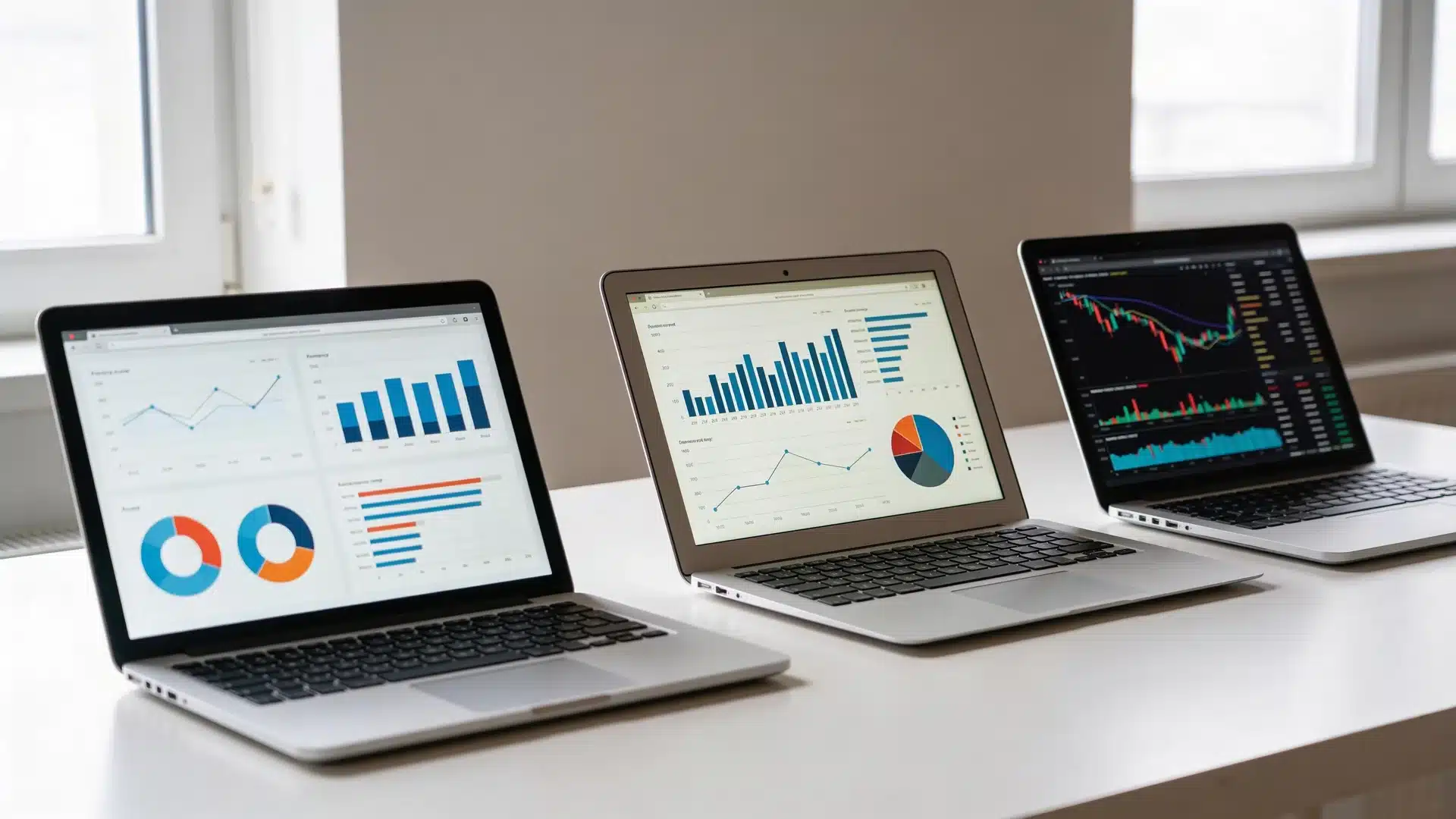
Instead of focusing on marketing claims, it helps to look at how these bots actually function in real use.
| Feature | What It Means | Why It Matters |
|---|---|---|
| Automation Level | Manual, semi, or fully automated | More automation = less control |
| Supported Markets | Crypto, stocks, forex | Must match where you trade |
| AI Capabilities | Signals, pattern detection, backtesting | Defines how decisions are made |
| Ease of Use | Simple UI vs complex setup | Affects how fast you can start |
1. Automation Level (Manual vs. Semi vs. Full)
Automation changes how involved you are in the trading process.
Manual systems give you full control, but they also require constant attention. Semi-automated tools sit in the middle, suggesting trades while still leaving the final decision to you.
Fully automated bots handle everything once configured. This reduces effort, but it also means you rely on the system even when market conditions shift.
The key trade-off here is simple. More automation saves time, but it also increases dependence on the bot’s logic.
2. Supported Markets (Crypto, Stocks, Forex)
Not all bots work well across different markets because each one behaves differently.
Crypto markets run 24/7 and are highly volatile. Stocks follow fixed hours and react more to structured data. Forex sits somewhere in between with its own patterns.
Because of this, a bot designed for one market may perform poorly in another. It’s not just about compatibility, but about how well the strategy fits that environment.
3. AI Capabilities (Signals, Pattern Recognition, Backtesting)
The term “AI” can mean very different things depending on the bot.
Some bots follow fixed rules based on indicators. Others try to detect patterns or use past data to adjust their behavior slightly.
Backtesting is often used to validate strategies, but it only reflects past conditions. When the market changes, those same patterns may stop working.
So the real question is not whether a bot uses AI, but how it adapts when conditions shift.
4. Ease Of Use And Setup
Ease of use affects both how quickly you start and how much control you have later.
Simple tools make onboarding easy and reduce the learning curve. This is useful if you’re new or want quick setup.
More advanced platforms offer deeper customization and control, but they take time to understand and manage.
There’s always a trade-off. Tools that are easy to use tend to limit flexibility, while more powerful tools require more effort to use effectively.
How to Choose the Right AI Trading Bot for Your Situation
The right choice comes down to alignment. The bot should match how you trade, not just what you expect it to do. Follow these steps to narrow it down:
1. Match the Bot to Your Market
Start with where you trade. If you’re in crypto, use a crypto-focused bot. If you trade stocks or forex, choose one built for that environment.
Each market behaves differently at a structural level. A mismatch here often leads to poor results, even if the bot itself is good.
2. Decide Your Automation Level
Next, decide how involved you want to be.
- Manual → full control, but requires constant attention
- Semi-automated → guided decisions with some control
- Fully automated → minimal effort, but higher reliance on the system
More control means more effort. More automation means more trust. The right choice depends on your comfort level.
3. Check Your Experience Level
Be honest about your current level. Some bots assume you understand indicators, strategies, and risk management. Others simplify everything and guide you through setup.
- If it’s too advanced, you may misuse it
- If it’s too simple, you may outgrow it quickly
The goal is to pick something you can use effectively right now.
4. Set Realistic Expectations
Before you choose any bot, reset expectations. No system guarantees profit.
Performance always depends on:
- Market conditions
- Strategy setup
- Risk management
Even strong setups can fail when conditions change. What matters is how the bot handles those shifts over time.
Do AI Trading Bots Actually Work in Real Conditions
This is where most of the confusion shows up.
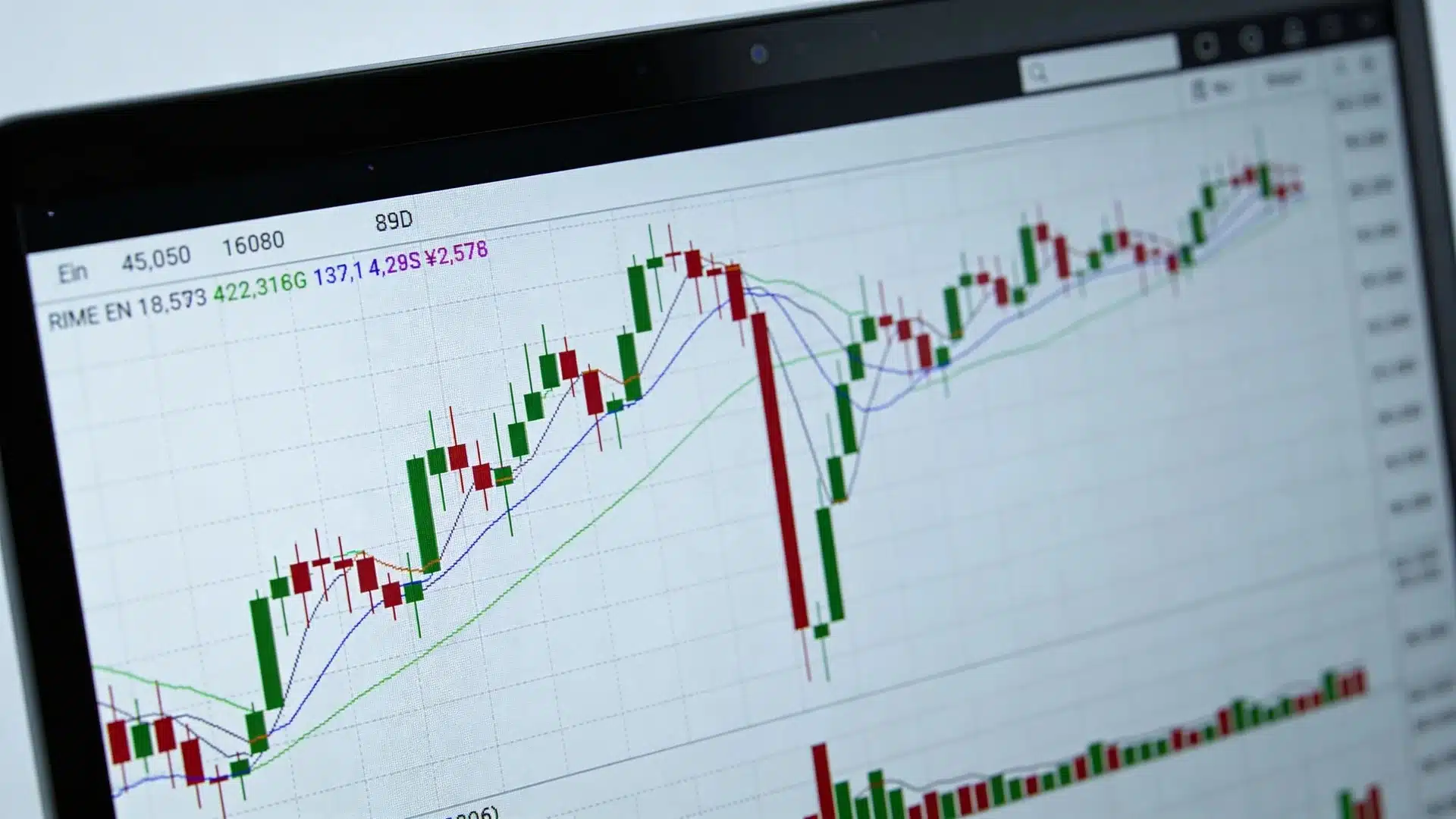
AI trading bots can work, but not in the way most people expect. They are not profit machines. Their performance depends on how they’re used and the conditions they operate in.
Why Results Vary Between Users
Two people can use the same bot and still get very different outcomes. The difference usually comes down to setup, market choice, and timing.
Even small changes in configuration can shift results. One user might take a conservative approach, while another pushes aggressive settings. Add to that different assets and entry points, and the gap widens quickly.
Timing plays a bigger role than most people think. Starting during a stable phase versus a volatile one can completely change how the same bot performs.
Backtested Performance vs. Real Markets
Backtesting shows how a strategy would have worked using past data. It’s useful for testing ideas, but it doesn’t reflect real-world uncertainty.
Live markets behave differently. Conditions change, news events disrupt patterns, and signals that worked before can stop working without warning. A strategy that looks strong on paper can struggle once it faces unpredictable conditions.
That’s why backtesting should be seen as a reference point, not proof of future performance.
When Bots Perform Well vs. Poorly
| When Bots Perform Well | When Bots Perform Poorly |
|---|---|
| Markets are stable | Conditions shift suddenly |
| Patterns repeat consistently | Trends reverse quickly |
| Volatility is predictable | Volatility becomes erratic |
| Signals behave as expected | Signals become unreliable |
This is why results are never fixed. A bot that performs well in one phase can underperform in another without any change in setup.
Key Features that Actually Matter (and What to Ignore)
Most bots promote a long list of features, but only a few actually affect results. The rest often add complexity without improving performance.
What matters comes down to a few core things.
- Automation controls how much effort you put in versus how much you rely on the system.
- Strategydesign decides whether the bot can adapt to your setup or just follow a generic approach.
- Integration affects execution, which directly impacts results.
Everything else is secondary. More features don’t improve performance. In many cases, they make the system harder to manage and increase the chance of mistakes.
In practice, results depend on three things: how well the bot fits your market, how clear your strategy is, and how consistently it runs.
How AI Trading Bots Actually Make Decisions
This is the biggest gap that most people don’t fully understand.
Bots don’t predict markets. They process data and react based on defined logic. Everything they do comes from inputs, rules, and execution.
At the input level, bots rely mainly on market data like price, volume, indicators, and basic patterns. Some systems include sentiment or external signals, but most decisions still come from structured market data.
That data is then processed through a set of rules or models.
The bot looks for conditions such as patterns, indicator signals, or probability setups. When those conditions are met, it generates a signal.
This signal is based on past behavior, not future certainty, which is where most misconceptions come from.
Once a signal is triggered, execution is automatic.
The bot places trades, sets entry and exit points, and follows predefined rules without delay. This makes it fast, but not immune to real-time market conditions like slippage or sudden price changes.
Where things break down is in the logic itself. Bots assume that market behavior will stay within expected patterns. When that changes, performance drops.
Failures usually happen when:
- Market conditions shift
- Data becomes less reliable
- The strategy no longer fits the current environment
For example, a system designed for trending markets will struggle when prices move sideways.
This gap between expected behavior and real conditions is what most people underestimate.
Types of AI Trading Bots (What “AI” Really Means)
Not all bots are truly “AI,” even if they’re marketed that way. Most fall into a few basic categories depending on how they operate.
Rule-based vs. AI-assisted bots
- Rule-based bots follow fixed conditions with no adaptation
- AI-assisted bots adjust slightly using data patterns
In practice, many tools labeled as “AI” still rely heavily on rule-based logic underneath.
Signal providers vs. execution bots
- Signal bots generate trade ideas but require your action
- Execution bots place trades automatically once configured
The difference comes down to control. One supports decisions, the other acts on them.
Fully automated vs. semi-automated systems
- Fully automated systems handle the entire process
- Semi-automated systems assist but still need your input
Full automation reduces effort, while semi-automation keeps you involved and in control.
Risks and Limitations You Should Know Before Using a Bot
Every system has limits, and trading bots are no exception. Understanding where they fail is just as important as knowing what they can do.
Market volatility is one of the biggest risks. Sudden price moves can break strategies quickly, especially when conditions shift without warning. Bots react based on predefined rules, not judgment, which makes them less flexible in unpredictable situations.
Another common issue is overfitting. Some strategies perform well on past data but fail in real markets where conditions are constantly changing. What looks reliable in testing doesn’t always hold up in live trading.
Execution also plays a role. Trades don’t always happen exactly as planned. Delays and slippage can affect entry and exit points, which impacts overall results, especially in fast-moving markets.
Finally, everything depends on your setup. A bot follows the logic you define. If the strategy or risk settings are flawed, the outcome will reflect that.
At the end of the day, a bot doesn’t remove risk. It only changes how that risk is managed.
Wrapping Up
Finding the best AI trading bot isn’t about picking the most popular option or following a ranked list. It comes down to understanding how these systems behave, where they perform well, and where they tend to break down.
Once you see that clearly, the decision becomes more practical.
You’re not looking for perfection. You’re looking for a fit between your market, your experience level, and how much control you want.
If you’re just getting started, keep things simple and observe how the bot behaves across different conditions before expecting consistent results.
That approach helps you avoid common mistakes and make a more informed choice over time.
Frequently Asked Questions
Do AI trading bots actually work?
Yes, but results vary. They perform better in stable conditions and struggle when markets shift or behave unpredictably.
Which AI trading bot is most reliable?
No single bot is always reliable. Performance depends on market conditions, setup, and how well the bot fits your trading style.
Can AI trading bots trade automatically?
Yes, many bots can execute trades automatically. But they still follow predefined logic and may fail if conditions change.
Are AI trading bots profitable for beginners?
They can be, but beginners often struggle with setup and expectations. Profit depends more on understanding than on the tool itself.