

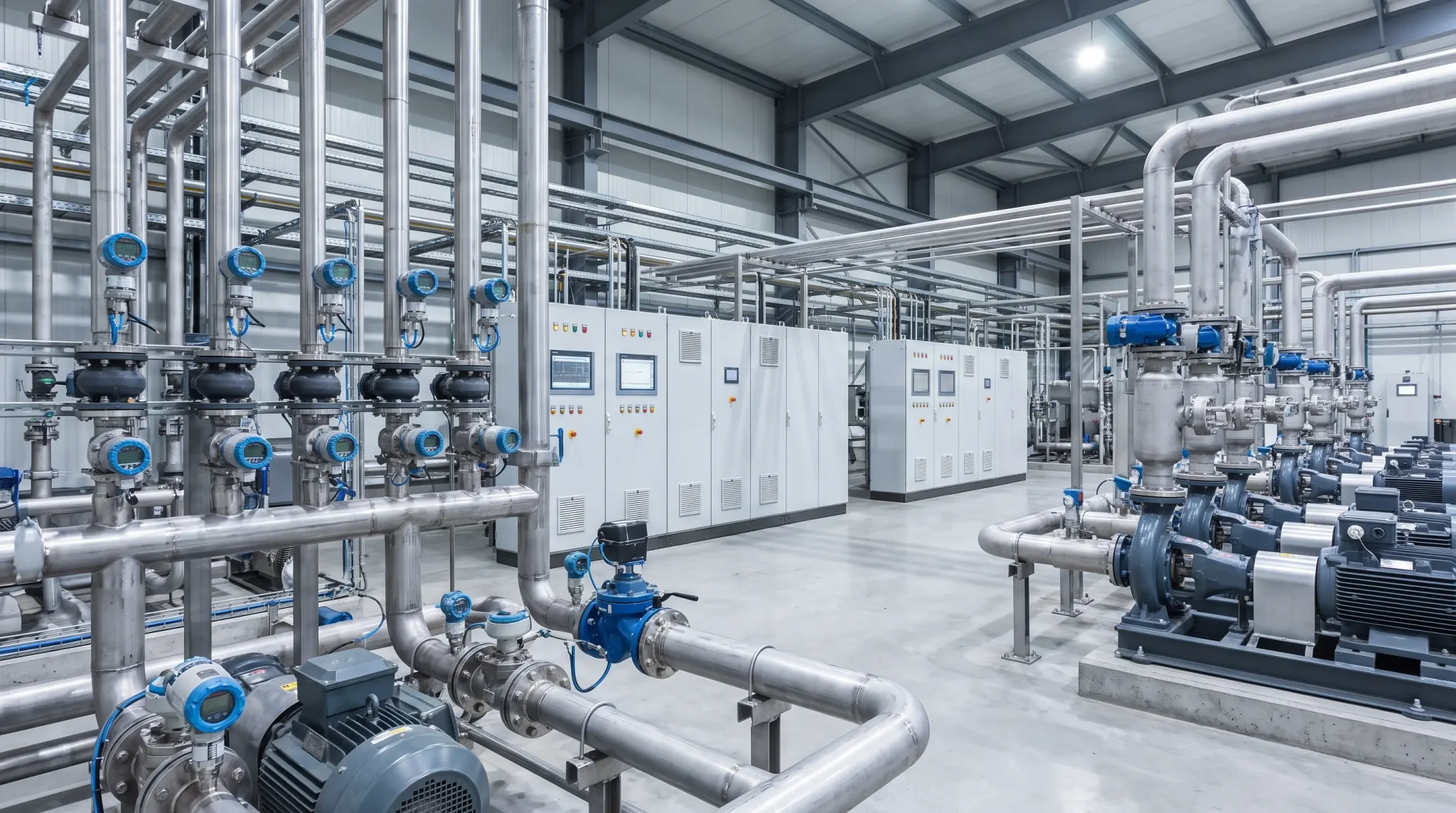
Walk through a chemical plant or water treatment facility, and you will see equipment making constant adjustments without someone controlling every step. That is industrial process automation in action.
I have noticed many people confuse it with factory automation, even though each one serves a different purpose.
Knowing the difference can help businesses choose the right technology and avoid costly mistakes. Industrial process automation focuses on controlling flowing materials and production conditions with minimal manual input.
Understanding how it works, its main types, and where it is used gives you a clearer picture of modern industrial production.
What Is Industrial Process Automation?
Industrial process automation uses sensors, controllers, and software to control production with minimal human input, applying much of the same rule-based control logic found in other automated systems.
It monitors material flow and automatically adjusts equipment.
Sensors measure temperature, pressure, flow, liquid level, and chemical composition. Controllers use this data to operate valves, pumps, motors, and heaters.
PLCs control smaller processes, while DCS platforms manage connected operations across large plants. SCADA systems and HMIs help operators monitor performance and adjust settings.
Automation reduces errors, supports steady production, and keeps workers away from hazardous conditions. It also helps plants maintain consistent quality and respond quickly when operating conditions change.
Industrial Process Automation vs. Factory Automation
Industrial process automation and factory automation may operate inside the same facility. However, they control different forms of production.
| FEATURE | INDUSTRIAL PROCESS AUTOMATION | FACTORY AUTOMATION |
|---|---|---|
| Best Suited For | Flowing materials, chemical reactions, and recipes | Individual parts and finished products |
| Production Method | Continuous or batch processing | Discrete, unit-based production |
| Common Equipment | Sensors, pumps, valves, PLCs, and DCS platforms | Robots, conveyors, vision systems, and assembly machines |
| Examples | Oil refining, water treatment, and chemical mixing | Vehicle assembly and electronics production |
| Worker Involvement | Mainly supervision and process monitoring | Supervision, inspection, assembly, and equipment support |
| Common Industries | Oil, chemicals, pharmaceuticals, water, and power | Automotive, electronics, appliances, and consumer goods |
Process automation controls materials that flow, mix, react, heat, cool, or change form during production.
Factory automation controls individual products moving through assembly, inspection, packaging, or handling stations.
A facility can use both systems. A pharmaceutical plant may automate ingredient mixing as a batch process, then use factory automation to fill and package individual bottles.
The Main Types of Industrial Process Automation
Industrial facilities generally use continuous, batch, or hybrid process automation.
Some facilities also combine these with discrete automation, although discrete production is typically considered part of factory automation rather than traditional process automation.
1. Continuous Process Automation
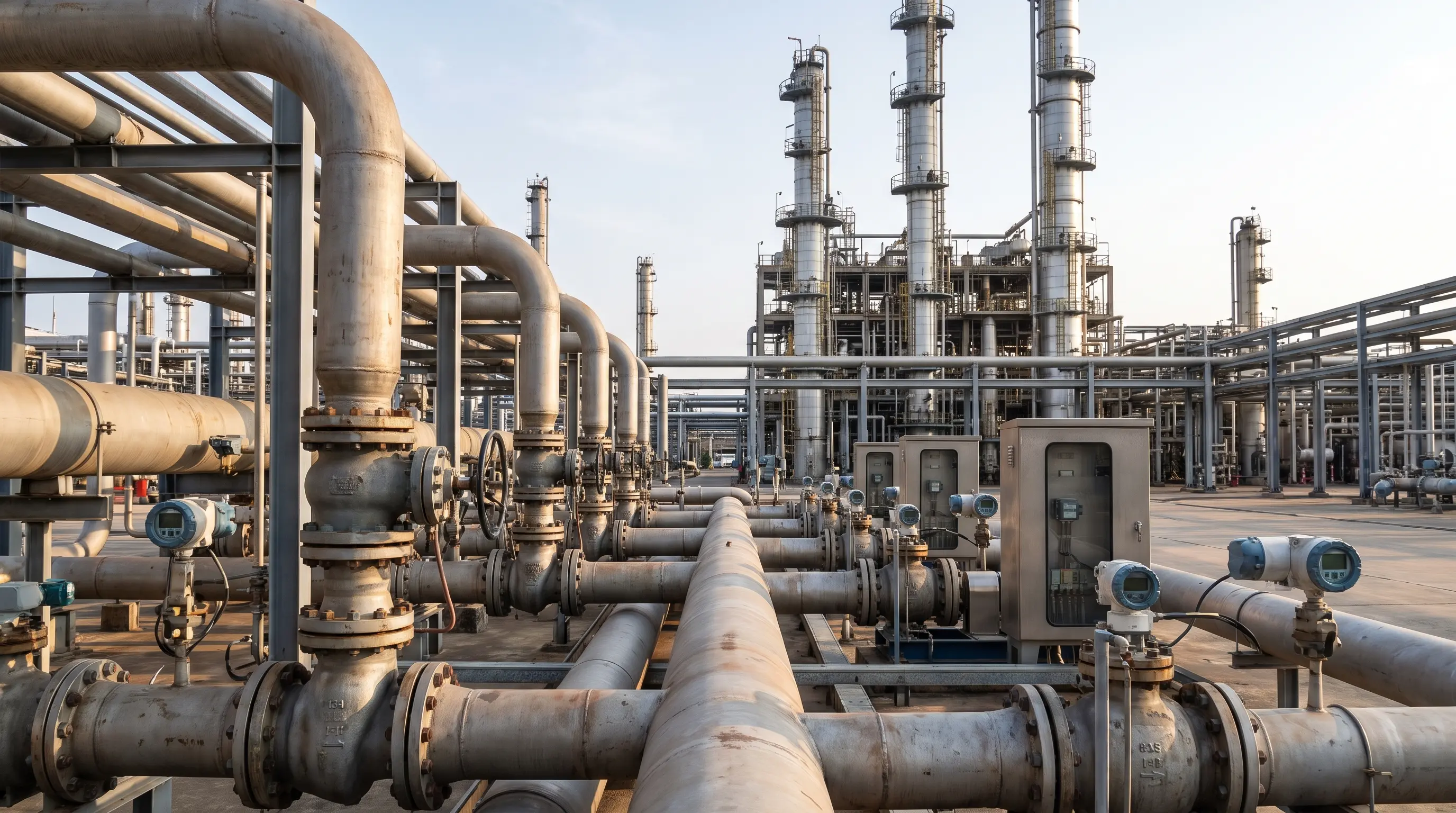
Continuous process automation maintains material flow for extended periods without stopping after each production cycle. Sensors and controllers keep temperature, pressure, and flow rate steady at all times.
Oil refineries, power plants, and water treatment facilities depend on this type. It reduces waste since the process rarely starts or stops.
Refineries use it to keep crude oil flowing through distillation columns without interruption. That keeps output consistent and limits energy loss.
2. Batch Process Automation
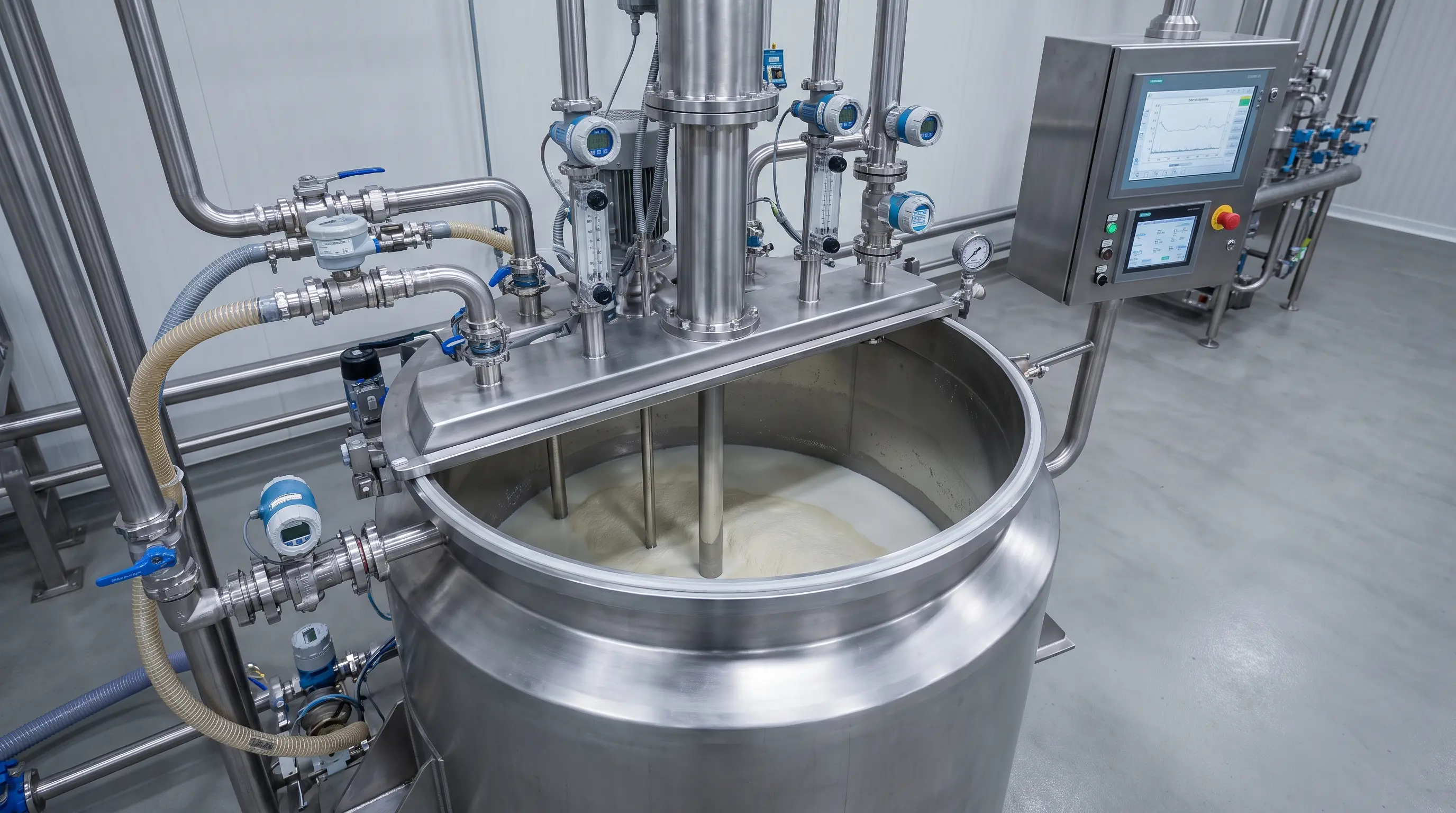
Batch process automation runs a fixed recipe for a set quantity, then stops before the next batch starts. Manufacturers use it when a product needs a specific formula or timing, such as pharmaceuticals or baked goods.
Chemical, food, and pharmaceutical industries lean on this type heavily. A pharmaceutical plant might run one batch of tablets, clean the equipment, then switch to a different formula.
3. Discrete Process Automation
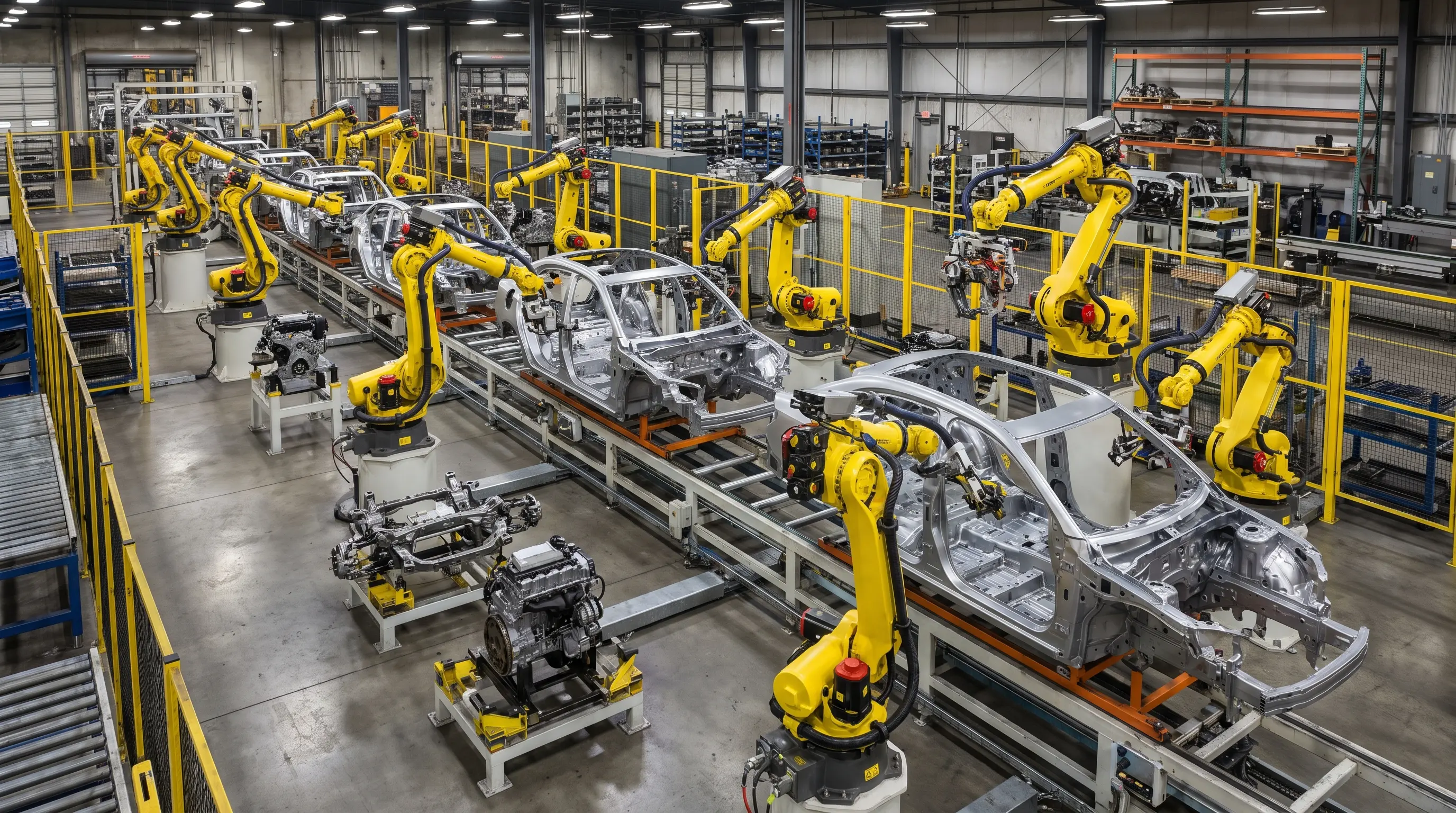
Although discrete automation is typically classified as factory automation rather than industrial process automation, many industrial facilities combine both approaches.
Discrete automation assembles individual, countable products instead of managing continuous material flow. Robots and conveyor systems handle repetitive assembly steps like welding, placing components, or packaging
Automotive plants use robotic arms to weld car frames with precise, repeatable movement. Electronics manufacturers use it to place tiny components onto circuit boards.
Consumer goods companies use it to package and label finished products at speed.
4. Hybrid Process Automation
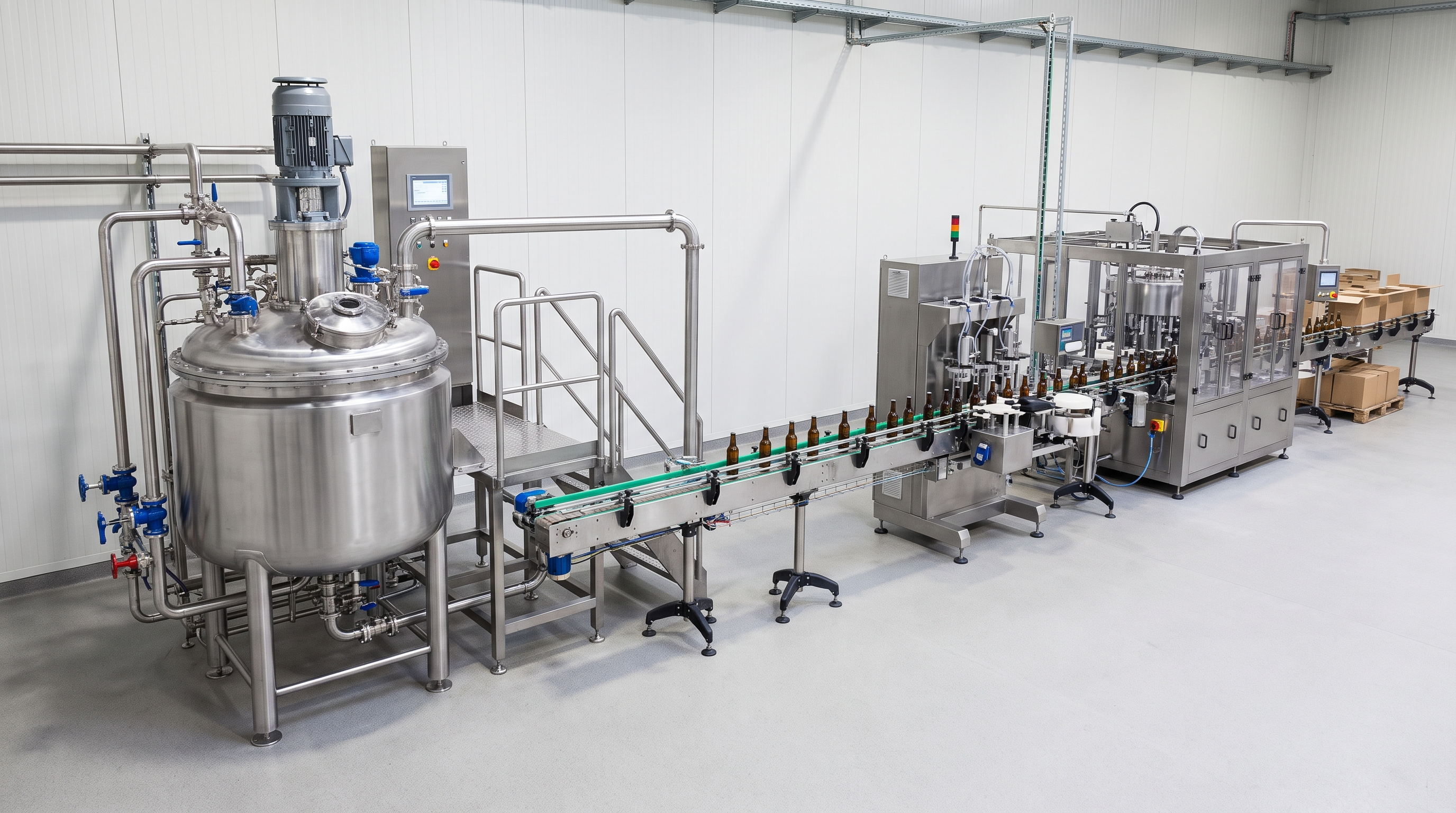
Hybrid process automation combines continuous or batch processing with discrete assembly in one operation. Pharmaceutical companies mix ingredients in batches, then use discrete automation to fill and label individual bottles.
Food manufacturers cook ingredients continuously, then package them into countable units. Consumer packaged goods companies blend liquids in bulk, then bottle and box them individually for shipping.
How an Industrial Process Automation System Works
An industrial process automation system uses a continuous control loop to keep production running safely and consistently. It constantly measures process conditions, compares them with target values, and makes automatic adjustments when needed.
- Sensors Collect Data: Sensors measure conditions such as temperature, pressure, flow, level, and other process values across the system, functioning as connected sensor networks that feed live data back to the controller.
- Controllers Make Decisions: A PLC or DCS compares the sensor readings with the set points and decides whether equipment needs to be adjusted.
- Equipment Responds: Actuators, valves, pumps, motors, and other devices receive commands from the controller and change the process automatically.
- Operators Monitor the System: SCADA systems and HMIs display real-time information so operators can track performance and respond to alarms if needed.
- The Cycle Repeats: Sensors measure the updated process conditions, allowing the controller to make further adjustments and keep production within the desired operating range.
This feedback loop runs continuously during production. By making small corrections as conditions change, the system helps improve product quality, reduce downtime, and keep operations running safely.
The Core Components of Industrial Process Automation
Each component handles a different part of measurement, control, communication, or physical equipment movement.
| COMPONENT | PURPOSE | EXAMPLE |
|---|---|---|
| Sensors | Measure physical process conditions | Thermocouple measuring boiler temperature |
| PLC | Runs control logic for equipment or smaller processes | Controller managing tank filling |
| DCS | Coordinates connected processes across a plant | System controlling several refinery units |
| SCADA | Collects and displays information from distributed equipment | Platform tracking water treatment flow |
| HMI | Allows operators to view conditions and adjust settings | Control panel beside a mixing tank |
| Actuators | Convert controller commands into physical movement | Pneumatic actuator opening a valve |
| Industrial Robots | Handle packaging and material tasks in hybrid facilities | Robotic arm loading packaged products |
| Industrial Network | Connects controllers, sensors, and software | Network linking process equipment to a control room |
Not every facility needs every component. The correct combination depends on the production method, plant size, safety requirements, and equipment already installed.
Where Industrial Process Automation Is Used
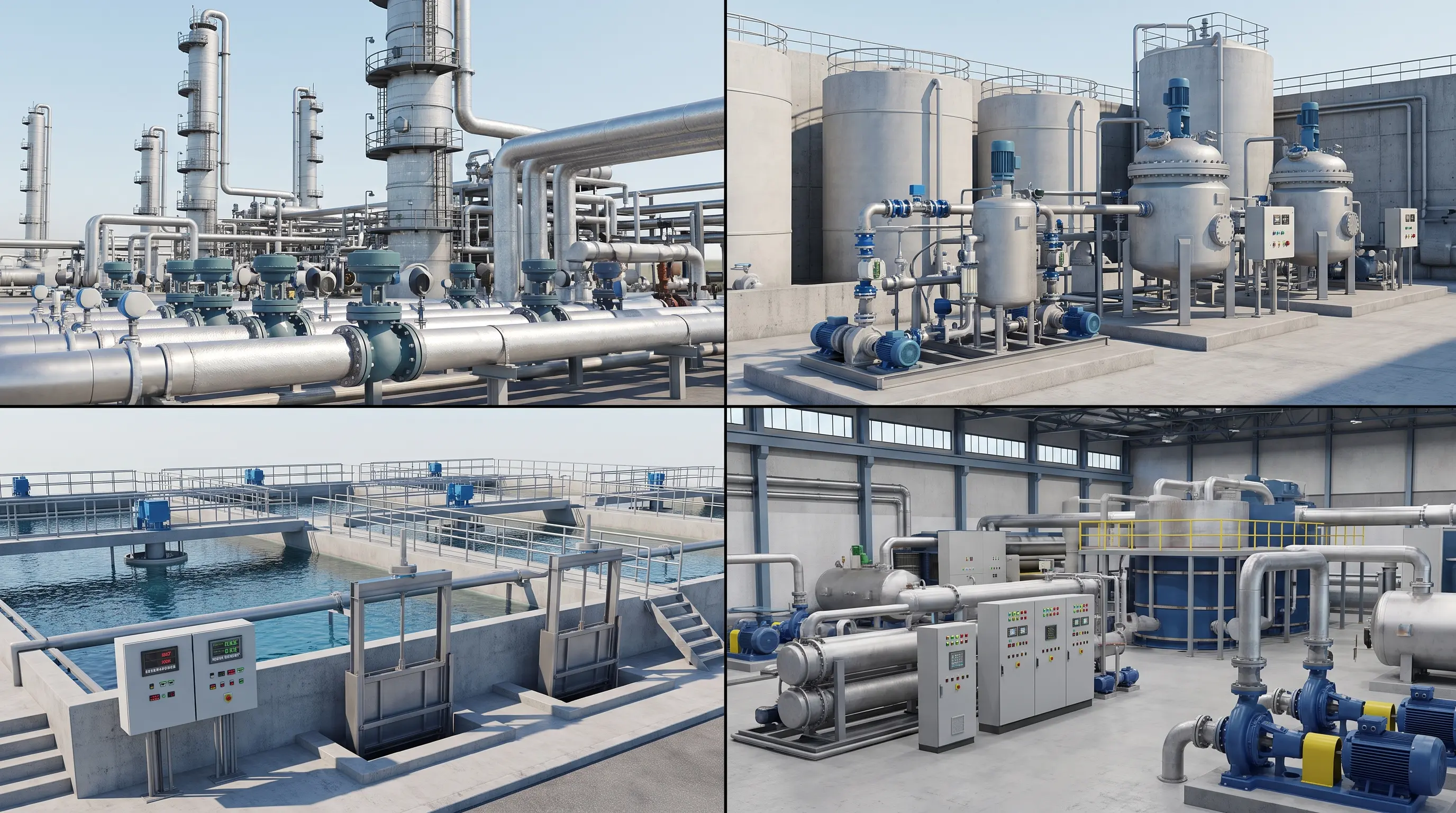
Industrial process automation is common in industries where materials flow, mix, heat, cool, or react during production.
Oil and gas companies use it to control drilling, pipelines, and refining operations. Chemical plants rely on it for accurate mixing and reaction control.
Food and beverage manufacturers automate cooking, filling, and cleaning processes to maintain consistent quality.
Pharmaceutical companies use it for precise batch production and packaging. Water treatment facilities automate pumping, filtration, and chemical dosing. Power plants control boilers, turbines, and cooling systems with automation.
Mining operations automate ore processing and material handling, while pulp and paper mills use automation to manage pulping, drying, and continuous production.
Benefits of Industrial Process Automation
Industrial process automation pays off in ways that show up across the entire operation. Here are the five benefits that matter most:
- Better Productivity: Automated systems can maintain production across shifts without requiring manual adjustments at every stage.
- Higher Quality: Consistent control reduces variation between batches and cuts down on defects.
- Improved Worker Safety: Automation keeps people away from hazardous chemicals, heat, and heavy machinery.
- Lower Operating Costs: Fewer errors and less downtime mean lower waste and repair costs over time.
- Predictive Maintenance: Sensor data and analytics can identify developing wear before equipment fails, forecasting patterns before failures occur and reducing emergency repairs.
Together, these benefits explain why so many industries keep expanding their automation investments.
Common Challenges of Industrial Process Automation
Every automation project comes with challenges, especially during planning and installation. Understanding these common issues and preparing for them early can help reduce delays, control costs, and keep the system running reliably.
| CHALLENGE | POSSIBLE SOLUTION |
|---|---|
| High Upfront Cost | Start with a pilot project and expand in phases as needed. |
| Legacy Equipment | Retrofit older machines with compatible sensors and communication gateways where possible. |
| Cybersecurity | Use secure industrial networks, access controls, and regular security monitoring. |
| Workforce Training | Train employees before and during implementation so they can operate and maintain the system confidently. |
| System Integration | Choose equipment and software that support standard industrial communication protocols. |
| Maintenance | Follow a regular schedule for sensor checks, software updates, and equipment servicing. |
Addressing these challenges early helps improve system reliability, reduce downtime, and support smoother long-term operations while keeping maintenance and operating costs under better control.
Choosing the Right Industrial Process Automation Solution
Choosing the right industrial process automation solution starts with understanding your production type, since continuous and batch processes have different control needs.
You should also consider the level of product consistency required, as tighter quality standards often need more sensors and precise control.
Check whether your existing equipment can support new automation or needs upgrades. Your budget will affect how much you can automate now and later. It is also important to choose a system that can scale as production grows.
Make sure the software works with your current equipment and supports future expansion, helping you avoid costly replacements as your operations change.
Conclusion
Industrial process automation helps industries improve product quality, reduce manual work, and keep production running safely and efficiently.
The right solution depends on your production method, equipment, budget, and future plans. I believe understanding the different automation types and how they compare with factory automation makes choosing the right system much easier.
As more industries adopt advanced control systems, knowing the basics can help you make better decisions.
Have you worked with industrial process automation, or do you have a question about it? Share your thoughts or ask your questions in the comments below.
Frequently Asked Questions
What Are the Main Types of Industrial Process Automation?
Continuous, batch, and hybrid automation are the main process-focused types. Discrete automation may appear in the same facility but mainly supports assembly and packaging.
Which Industries Use Industrial Process Automation?
Oil and gas, chemical, pharmaceutical, food, water treatment, power, mining, and paper industries use automation to control production, improve safety, and reduce variation.
What Equipment Is Used in Process Automation?
Common equipment includes sensors, PLCs, distributed control systems, SCADA platforms, HMIs, actuators, motors, pumps, and valves connected through an industrial control network.
Is Industrial Process Automation Expensive?
Initial costs can be high because systems require hardware, software, installation, integration, and training. Starting with a smaller pilot can reduce financial risk.