
A basement can be a strange little mystery zone. One year it’s storing holiday decorations, and the next you’re wondering why nobody uses all that extra space. If you’ve been thinking about a basement remodel, you’re not alone. A finished basement can become a family room, home office, workout area, or guest retreat without changing your home’s footprint.
Start With Your Goals
Before you pick paint colors or dream about a giant sofa, figure out what you actually want the space to do. A basement can serve a lot of roles, but it works best when you choose one main purpose and one backup purpose. Maybe it’s mostly a family room, with space for overnight guests. Maybe it’s a quiet office that can also become a play area on weekends.
Once you know your needs, it becomes much easier to compare layouts, storage ideas, and local remodeling professionals. If you are ready to reach out to professionals, look up basement remodeling near me to connect with local service providers who can deliver exceptional results
Ask yourself simple questions. Do you need a TV wall, a desk, a bathroom, or better laundry access? Do kids need open floor space? Do adults need somewhere quiet to escape the chaos upstairs? Your answers shape the whole project. A clear goal saves money, cuts stress, and keeps you from building a room that looks pretty but feels awkward.
Check Light and Layout
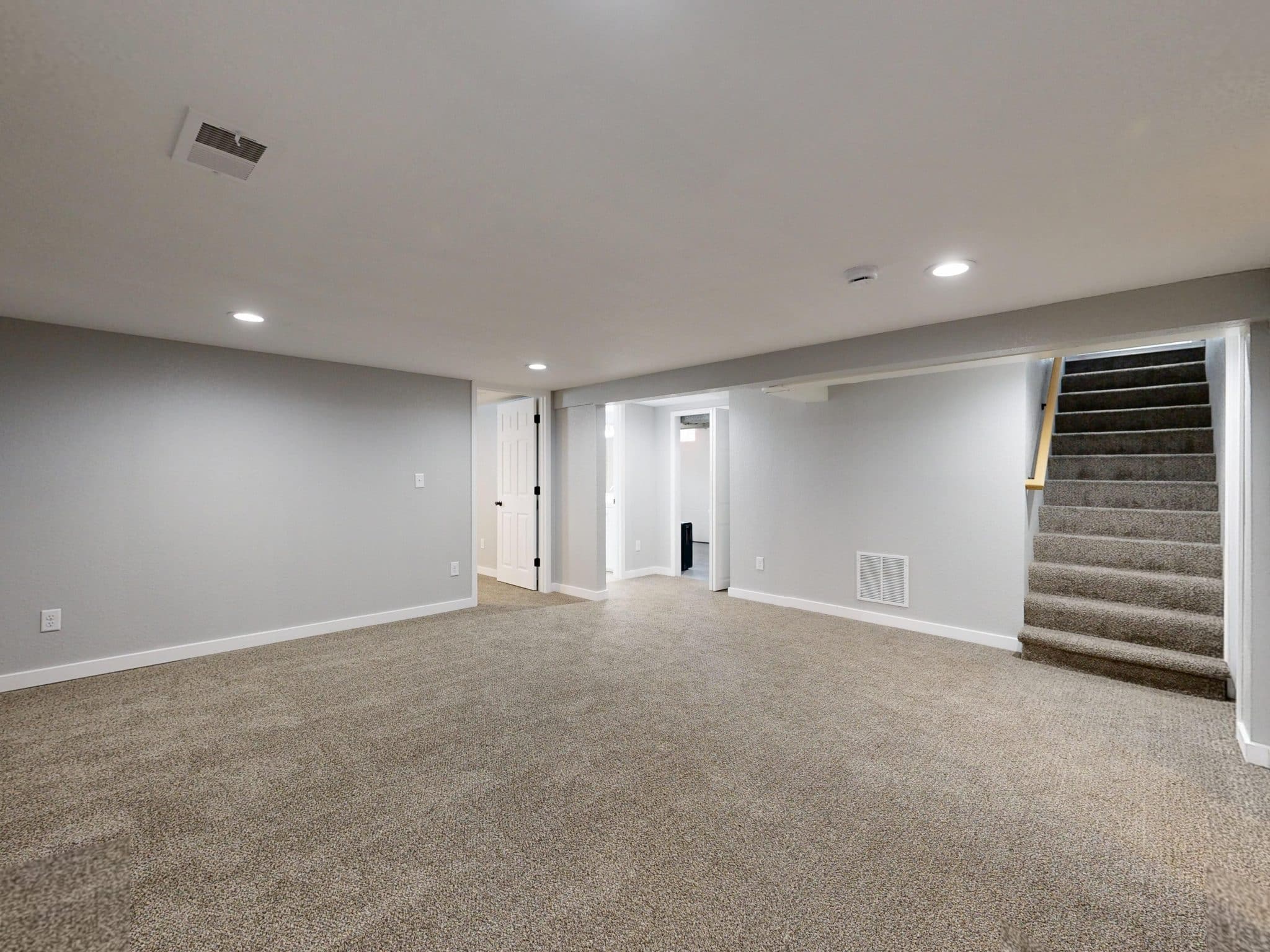
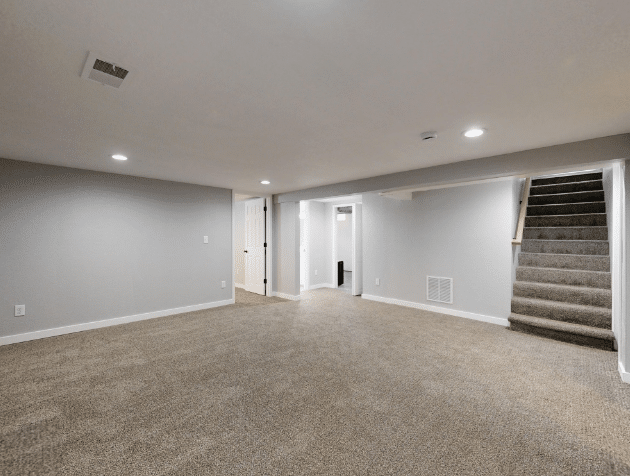
Basements can feel cozy, but they can also feel like a cave that swallowed your couch. That’s why light and layout matter so much. Start by looking at what you already have. Check where the windows are, how high the ceiling feels, and whether support posts break up the room.
If natural light is limited, don’t panic. You can still make the room feel open by using pale wall colors, layered lighting, and furniture that doesn’t block sightlines. Recessed lights are usually a smart choice because they brighten the room without making the ceiling feel lower. Floor lamps and wall sconces can add warmth without turning the place into an operating room.
Think about how people will move through space. You don’t want everyone squeezing past a sectional just to reach the stairs or storage closet. Leave enough walking room between zones. If the basement is long and open, try dividing it into simple areas like lounging, working, and storage. Good flow makes the room feel bigger, even when it isn’t.
Plan for Hidden Issues
This is the part nobody puts on the mood board, but it matters more than throw pillows. Basements often come with hidden issues that can spoil a remodel fast if you ignore them. Moisture is the big one. Even a little dampness can damage flooring, create odors, and invite mold to the party nobody wanted.
Check for signs like musty smells, stained walls, peeling paint, or damp corners after rain. If there’s a problem, fix it before any finishing work starts. It’s not glamorous, but neither is ripping out brand-new carpet because the floor turned into a sponge.
Also think about insulation and temperature control. Basements are often colder than the rest of the house, so comfort can be tricky. Good insulation helps the space feel usable year-round. Soundproofing also deserves attention, especially if someone upstairs likes clomping around like a determined moose.
Don’t forget electrical needs. A finished basement usually needs more outlets, better overhead lighting, and charging spots for modern life. Plan storage early too. If your basement loses all utility and gains zero closets, those holiday decorations may end up homeless.
Add Smart Home Basics
A basement is a great place to add a few simple smart home features, especially if you want the room to feel convenient instead of forgotten. You don’t need a spaceship setup. A few practical tools can make a big difference.
Smart lighting is an easy win. You can set schedules, dim the room for movie nights, or brighten it without walking across a dark room like a cautious raccoon. Smart bulbs or switches work well if the basement gets used at different times for different activities.
A smart thermostat or temperature sensor can help balance comfort if the basement runs colder than the main floor. This matters a lot if the room doubles as an office or guest space. Leak sensors are another smart move. They can alert you to water problems early, which is much better than discovering trouble with soggy socks.
If the basement is becoming an entertainment zone, think about clean cable management and a strong Wi-Fi signal. Some lower levels can become internet dead zones. A mesh Wi-Fi system or extender may save you from buffering during the good part of the movie, which is a modern tragedy.
Choose Durable Finishes
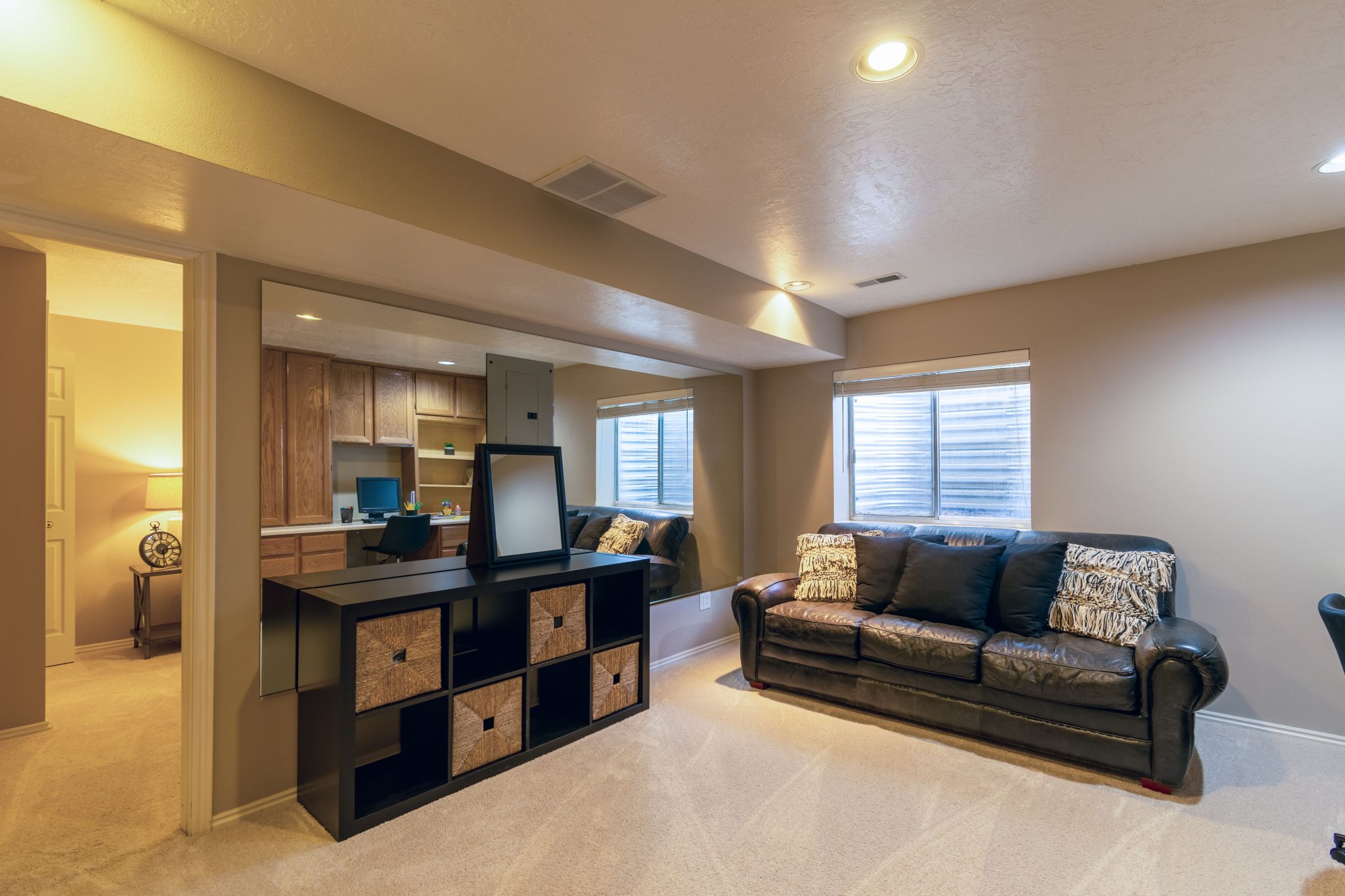
Basements need finishes that can handle real life. That means looking for materials that are durable, low-maintenance, and suited to below-grade spaces. Style matters, but practical choices tend to perform better over time.
For flooring, many homeowners lean toward luxury vinyl plank because it handles moisture better than traditional hardwood and still looks warm. Carpets can work in some basements, especially in family zones, but it’s usually safer to use it selectively rather than wall-to-wall. Area rugs give softness without as much risk.
Wall color can change the whole mood. Lighter shades help reflect light and keep the room from feeling boxed in. Warm neutrals, soft grays, and gentle off-whites usually work well. If you want personality, add it through artwork, pillows, or one accent wall instead of making the whole room dark.
Furniture should match the way you live. Choose pieces that are easy to move, easy to clean, and scaled to the room. Oversized furniture can make a basement feel crowded fast. A cozy setup is great. A sofa that blocks half the room is less charming.
Make It Useful Long Term
The best basement remodel isn’t just nice today. It still works for you a few years from now. That’s why flexibility is worth building in from the start. A room that serves only one narrow purpose can become outdated quickly as your needs change.
Try to create a space that can shift over time. A playroom may later become a teen hangout, then a guest room, then a hobby space. Built-in storage, movable furniture, and open layouts make that transition easier. It’s a bit like giving your basement a second career path.
Resale value matters too, even if you’re not planning to move soon. Buyers usually like finished basements that feel bright, comfortable, and easy to imagine using. A practical layout tends to appeal more than something overly customized.
At the end of the day, a well-planned basement should make everyday life more comfortable and give your family extra room to enjoy. When you focus on function, comfort, and quality materials, your once-unused basement can become one of the most valuable spaces in your home.