


Once a collection of isolated gadgets, the American smart home in 2026 is a unified, intelligent ecosystem. Focusing on safety, privacy, and adaptability ensures your home remains a sanctuary rather than a technical liability.
Our article helps US homeowners understand the latest considerations for building a secure, efficient, and future-proof smart home.
Securing Your Smart Devices and Network
The foundation of any smart home is the network it sits on. Securing your Wi-Fi is the first step toward preventing unauthorized access. Ensure your router supports WPA3 encryption, which has become the industry standard for protecting wireless traffic against modern hacking techniques. Additionally, individual device security is paramount: use strong, unique passwords for every sensor and camera, and enable multi-factor authentication (MFA) wherever possible.
Regular firmware updates are equally vital, as they patch vulnerabilities that cybercriminals exploit at an increasing pace. When discussing device privacy, it’s important to remember that many smart home products rely on the cloud to function. Because these devices frequently store sensitive data (such as video feeds or activity logs) in the cloud, it’s essential to understand and secure your cloud storage options.
For users seeking an added layer of privacy, a free VPN download can help shield your IP address and encrypt your traffic, providing a stealth mode for your household’s digital footprint.
Choosing the Right Smart Home Security System
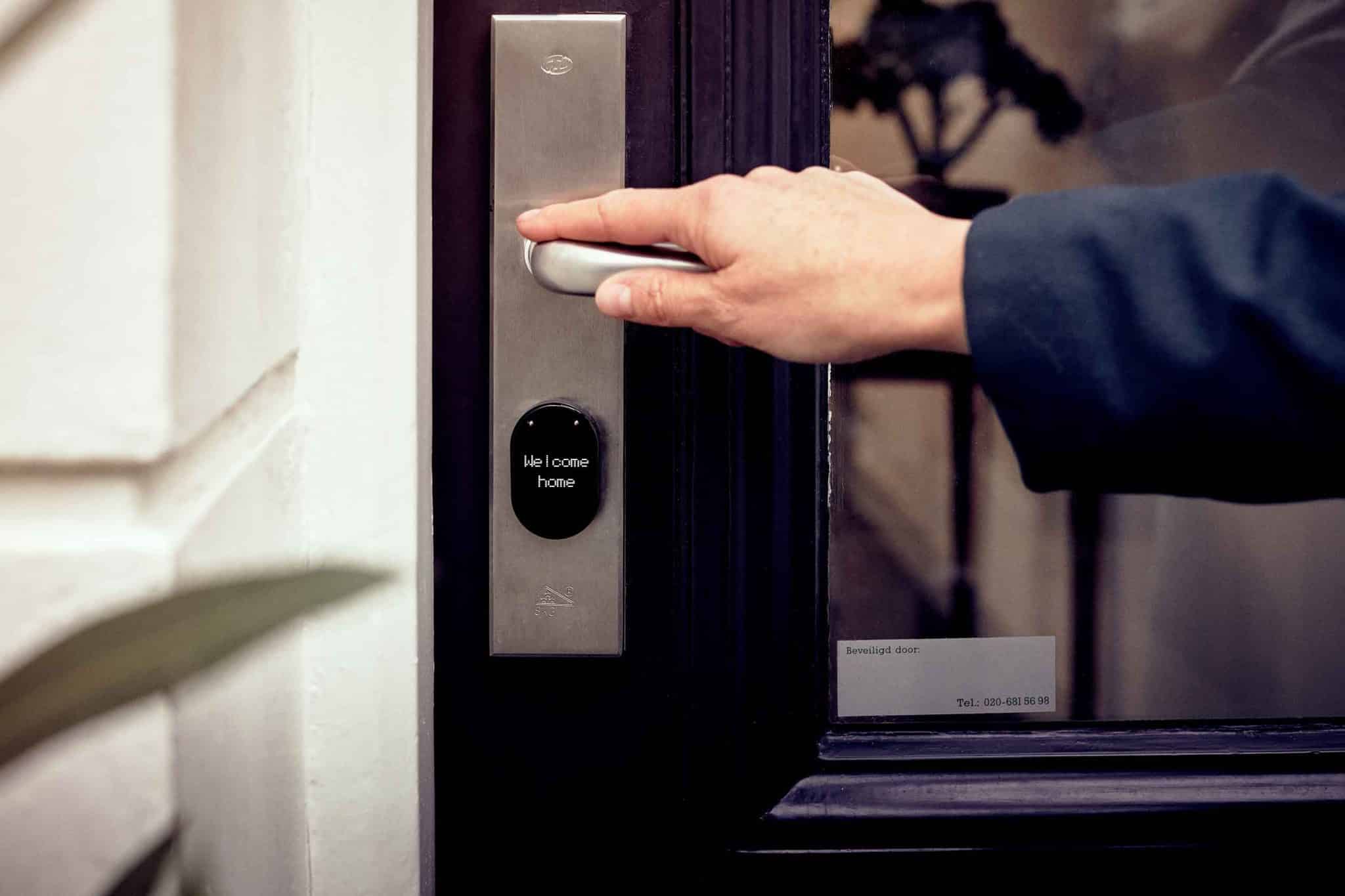
Selecting a security system in 2026 requires choosing a hub that serves as the brain of the entire property. Prioritize scalability when evaluating systems: the ability to add more sensors, smart locks, or environmental detectors (such as water-leak or carbon-monoxide sensors) over time.
Modern systems should offer seamless integration with other brands via the Matter 1.5 protocol, which was widely adopted in late 2025 to ensure cross-brand compatibility. Look for professional monitoring options that provide 24/7 oversight, and ensure the mobile app provides real-time, actionable alerts. A system that automatically locks your doors and turns on exterior floodlights when a perimeter sensor is triggered offers a proactive layer of defense that traditional alarms lack.
Understanding the Risks and Benefits of Smart Home Technology
The benefits of a smart home are clear: enhanced security, significant energy savings through intelligent climate control, and unmatched convenience. However, these advantages come with risks. Privacy breaches and data misuse remain concerns, especially as devices become more always-on.
Poorly secured connected devices can serve as entry points for larger network intrusions. Being aware of these vulnerabilities allows you to make informed choices, such as opting for devices with local processing rather than those that send every bit of data to a remote server.
Keeping Up with the Latest Innovations
AI-powered security has moved beyond simple motion sensing to sophisticated object classification, distinguishing between a neighbor’s dog and a potential intruder. Advanced sensors now offer modularity, allowing you to update the software capabilities of your hardware without replacing the physical device.
Furthermore, US homeowners are seeing a shift in the legal landscape. By the end of the year, 20 state-level comprehensive privacy laws will be in effect, covering nearly half the US population. These regulations give homeowners more control over how their smart home data is managed and deleted. Staying informed about these emerging trends ensures your smart home is not only cutting-edge but also respectful of your digital rights.