
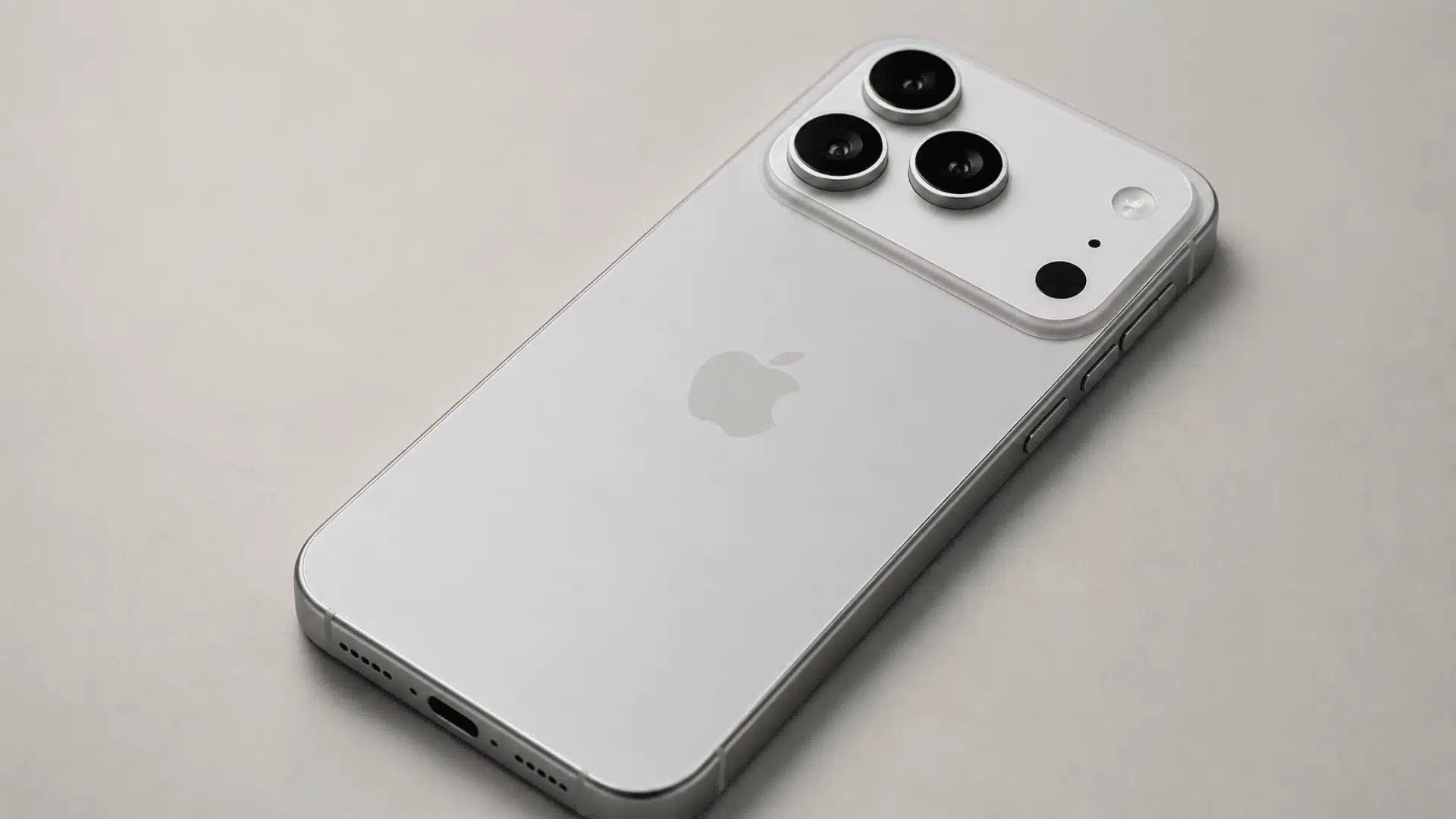
A smartphone camera is not just about having more lenses or higher megapixel counts. I look at how well it captures everyday moments, from indoor photos to moving subjects and distant shots.
In this iPhone 17 Pro Max camera review, I tested how each lens performs in real situations. The main camera delivered the most consistent results, while zoom and ultrawide helped in specific situations.
The camera performs impressively, but Apple’s processing can sometimes affect natural details. In this review, I’ll share how each camera handles different conditions and where it performs best.
Is the iPhone 17 Pro Max Camera Actually Good?
TheiPhone 17 Pro Max camera review has an excellent camera system, but not every lens delivers the same results. It captures detailed photos, accurate colors, strong dynamic range, and smooth video.
The camera system performs differently across lenses because each uses different sensors, focal lengths, and processing methods. A higher megapixel count does not automatically mean every camera produces identical results.
The main camera remains the most reliable option because it offers the best balance of detail, light capture, and consistency. However, the best results depend on the lens, lighting, and subject you are capturing.
How Do the Rear Cameras Perform in Real Use?
The three rear cameras provide useful flexibility, but each lens has different strengths, limits, and ideal shooting conditions. Real-world results depend on lighting, distance, subjects, and Apple’s image processing.
| Camera | Best For | Strengths | Limitations | Real-World Performance |
|---|---|---|---|---|
| Main 1x Camera | Everyday photos, landscapes, food, pets, street shots | Excellent sharpness, accurate colors, fast autofocus, strong dynamic range | Processing may sometimes smooth fine textures | The most dependable camera with the best overall balance |
| Ultrawide Camera | Landscapes, architecture, groups, tight spaces | Wider perspective, good color matching, useful framing | Softer corners and lower detail in poor lighting | Works best in bright conditions |
| 4x Telephoto Camera | Portraits, distant subjects, travel photos | Better reach, subject separation, and useful zoom flexibility | More affected by movement and low light | Best for users who regularly shoot distant subjects |
| 8x Zoom and Longer Digital Zoom | Occasional distant shots | Extends shooting range without extra equipment | Relies on cropping and processing, reducing detail | Useful for convenience but not maximum quality |
Apple’s lens switching makes photography easier, but differences in sensors, focal lengths, and processing can create changes in sharpness, color, and texture between cameras.
The main camera delivers the most consistent quality, while ultrawide and telephoto lenses add flexibility for specific situations.
How Does It Handle Low Light, People, Motion, and Selfies?
The iPhone 17 Pro Max performs best in good lighting, but low light, movement, and selfies reveal differences in processing, lens performance, and how each camera handles real-world situations.
Low-Light Photo Quality
Low-light conditions show the biggest differences between smartphone cameras. The iPhone 17 Pro Max performs best when using the right lens for the situation.
- The main camera performs best in low light because it captures more light and preserves better detail.
- It handles shadows, highlights, and colors well, while secondary lenses rely more on processing.
- Lower light conditions require longer exposures and stronger noise reduction, which can soften moving subjects.
- Stronger processing may reduce fine textures, but the main camera remains the safest option for indoor shots and night scenes.
Overall, the main camera delivers the most reliable low-light results. The other lenses are useful, but they work best when lighting conditions are more favorable.
Portraits, Skin Tones, and Moving Subjects
Portraits are one area where camera processing becomes easier to notice. The iPhone 17 Pro Max handles faces well, but results can change with movement and lighting.
- The iPhone 17 Pro Max produces portraits with balanced skin tones, good facial detail, and natural background separation.
- Still subjects usually deliver the best results because the camera has more time to capture clean details.
- Moving people, pets, and complex edges like hair or clothing can reveal processing limitations.
- Low-light portraits may show more sharpening, smoothing, or reduced natural textures.
Overall, the portrait camera performs well for everyday photos, but the best results come from good lighting and subjects that stay relatively still.
Front Camera and Selfies
The front camera is designed for everyday selfies, group photos, and video calls. The improvements are most useful when capturing wider frames without needing to adjust your position too much.
- The upgraded front camera improves selfie flexibility with a wider frame and easier group shots.
- The square sensor allows wider selfies while holding the phone vertically.
- Good lighting produces detailed faces, balanced colors, and better background exposure.
- Darker environments can reveal stronger sharpening, noise reduction, or smoother facial details.
Overall, the front camera delivers reliable selfie results, especially in good lighting. However, low-light selfies can still show some processing changes that affect natural facial details.
Why Do Some Photos Look Different After Processing?
The final image can look different from the preview because the iPhone processes multiple frames before saving.
Exposure adjustments, sharpening, color correction, and noise reduction help create cleaner photos. Difficult lighting, movement, and digital zoom give the camera less information to work with.
This can sometimes result in softer details or a more processed appearance. Understanding these differences helps set realistic expectations from the iPhone 17 Pro Max camera.
It performs strongly across everyday situations, but choosing the right lens and conditions plays a key role in getting the best results.
Is the iPhone 17 Pro Max Still a Strong Choice for Video?
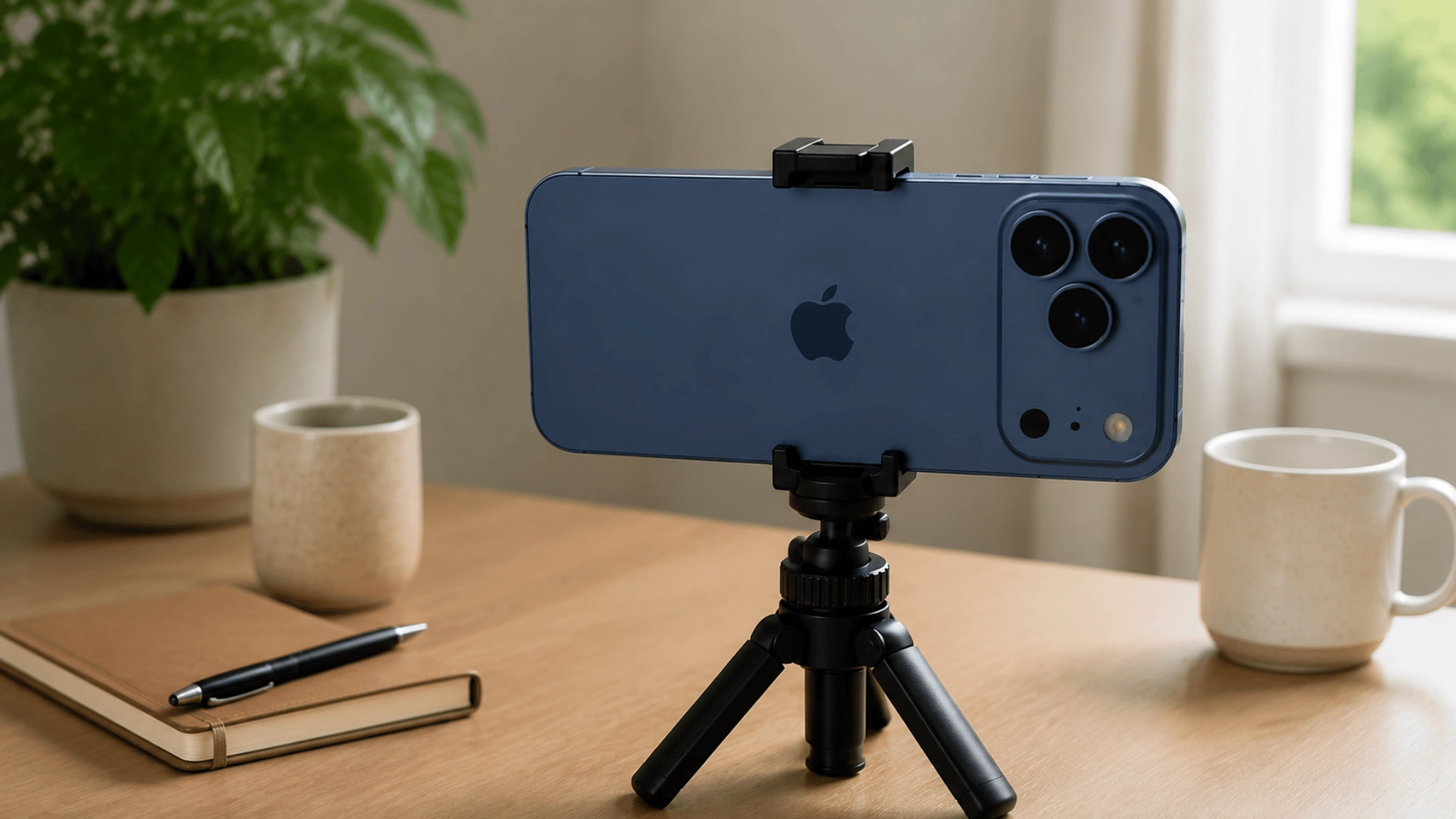
Video remains one of the iPhone 17 Pro Max camera system’s strongest areas, especially for stabilization and consistent recording. Its results depend on lighting, movement, lens choice, and recording needs.
| Video Feature | Strengths | Limitations | Real-World Performance |
|---|---|---|---|
| Standard Video Quality | Detailed footage, accurate colors, reliable autofocus | Lens differences appear more in low light | Excellent for daily videos, travel, and social content |
| Lens Consistency | Flexible shooting options across cameras | Brightness and detail may change between lenses | Works best in good lighting |
| Stabilization | Smooth handheld footage and better walking shots | Fast movement and low light can reduce stability | Makes casual recording easier without extra equipment |
| Autofocus and Exposure | Fast subject tracking and smooth brightness changes | Rapid movement can still challenge the system | Keeps people and moving subjects clear |
| ProRes and Log Recording | More editing control and professional flexibility | Requires larger storage and editing knowledge | Useful mainly for creators with advanced workflows |
| External SSD Recording | Helps manage large video files | Adds equipment and workflow complexity | Valuable for longer professional recordings |
The iPhone 17 Pro Max is a strong video phone because it combines reliable autofocus, stabilization, and consistent processing. Casual users can get excellent results, while advanced creators benefit from professional recording options.
Is the iPhone 17 Pro Max Worth Buying for Its Camera?
The iPhone 17 Pro Max camera reviewis a strong choice for users who want reliable video, flexible shooting options, and consistent results across different photography situations.
The value depends on how you use your phone camera. Users who capture different subjects, use multiple lenses, or record videos regularly will notice the improvements more than casual photographers.
The camera upgrades are especially useful for:
- Mobile photographers benefit from better lens flexibility when capturing different subjects, distances, and shooting conditions.
- Travelers can use the improved zoom range to capture distant scenes without carrying extra camera equipment.
- Parents and pet owners get better results when recording moving subjects with improved autofocus and video features.
- Content creators benefit from advanced video tools and recording options that provide more control during editing.
Recent Pro owners may notice smaller improvements if they mainly capture simple daylight photos with the 1x main camera. The biggest upgrades are more noticeable for users who regularly use telephoto, selfie, and video features.
The main camera remains the most dependable option, while telephoto improvements, front camera upgrades, and video features add more value for specific shooting needs.
Is It a Meaningful Upgrade From the iPhone 16 Pro Max?
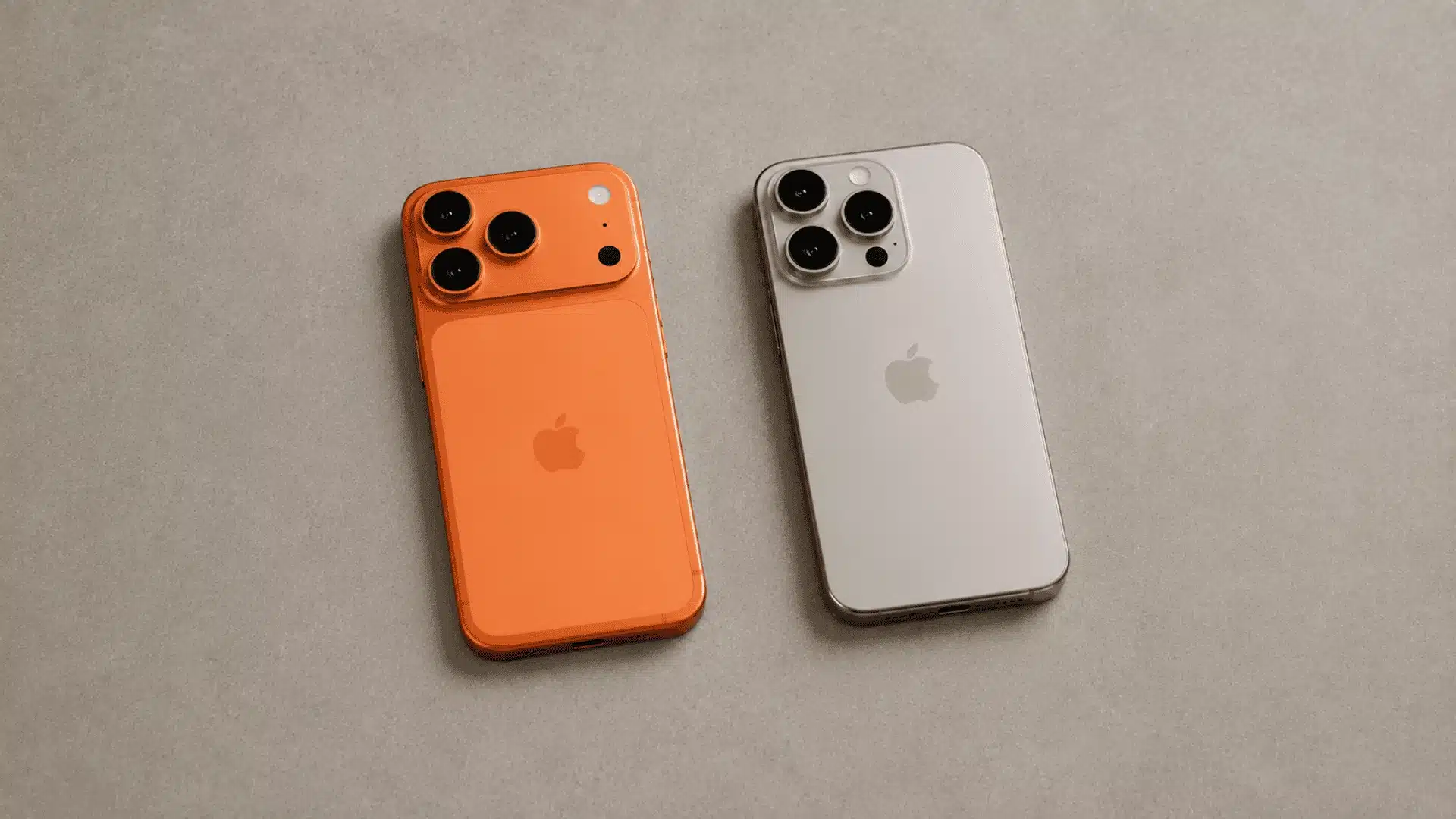
The iPhone 17 Pro Max offers a more noticeable upgrade for users who depend on telephoto shooting, selfie improvements, and video recording features for everyday photography.
Users who mainly rely on the 1x main camera in good lighting may notice smaller changes because the iPhone 16 Pro Max already delivers strong image quality.
The upgrade makes more sense if you:
- Use zoom photography often for distant subjects.
- Record videos regularly for social media or personal projects.
- Take frequent selfies, group photos, or video calls.
- Shoot in different lighting conditions where camera improvements matter more.
For simple daylight photos, the difference may feel limited. However, users who use the full camera system will get better flexibility and more useful upgrades from the iPhone 17 Pro Max.
Conclusion
The iPhone 17 Pro Max camera review shows that its biggest strengths are reliable video, strong main-camera quality, flexible zoom, and improved selfie performance.
The camera system delivers excellent results, but each lens has different limits depending on lighting, distance, and subject movement.
Here you’ll find a clearer idea of which camera upgrades matter and whether they match your photography needs.
Now you know where the iPhone 17 Pro Max camera performs best and what to consider before choosing it. Read the full breakdown to make a confident decision.
Frequently Asked Questions
Is the iPhone 17 Pro Max camera really worth it?
The iPhone 17 Pro Max camera is worth it for users who want reliable video, strong everyday photos, flexible zoom, and improved selfies. Recent Pro owners who mainly shoot 1x daylight photos may notice smaller improvements because the previous camera system already performs well.
Is the iPhone 17 Pro Max camera better than the iPhone 16 Pro Max?
The iPhone 17 Pro Max offers more noticeable improvements in telephoto flexibility, front-camera features, and video capabilities. The difference is smaller for standard main-camera photos. The upgrade makes more sense for users who regularly use zoom or record videos.
Why do some iPhone 17 Pro Max photos look overprocessed?
Photos can look overprocessed because the iPhone combines multiple frames and adjusts exposure, sharpness, colors, and noise levels before saving. In difficult lighting or with detailed textures, this processing can create smoother surfaces, stronger sharpening, or results that differ from the original preview.
What zoom level gives the best image quality?
The 1x main camera usually provides the most consistent image quality. The 4x telephoto camera performs well in suitable lighting, while 8x zoom relies more on cropping and processing. Native lenses generally produce cleaner results than higher digital zoom levels.