

Buying a car is very different from buying most other products. People rarely decide in a few minutes. They research models, compare features, read reviews, and sometimes visit multiple dealerships before making a decision.
Because of this, automotive marketing works differently than typical advertising. It is not just about showing ads for vehicles. It is about guiding buyers through a long process that starts with curiosity and ends with ownership.
I’ve seen people assume automotive marketing is simply about promoting cars online, but the real system is far more structured.
In this guide, you will learn how automotive marketing works, why it behaves differently from other industries, and how AI tools, automation systems, and agencies are changing how dealerships reach modern buyers.
What is Automotive Marketing?
Automotive marketing is the process of promoting vehicles and dealerships while guiding potential buyers from early research to vehicle purchase and long-term ownership. It combines advertising, digital marketing, customer education, and dealership engagement to influence the vehicle buying journey.
Unlike marketing for small consumer products, the goal is not only to generate interest.
Automotive marketing must support buyers through a complex decision process that can stretch over weeks or even months. During that time, buyers gather information, compare vehicles, and gradually narrow their options.
The Core Goal of Automotive Marketing
At its core, automotive marketing solves a matching problem.
On one side are buyers with specific needs. Some want a family SUV, others need a work truck, and some are looking for an electric vehicle to reduce fuel costs. On the other side are manufacturers and dealerships offering many models with different features and price points.
Automotive marketing connects these two sides. The process rarely happens instantly, though.
A buyer might see an advertisement early in their research, but make the final purchase weeks later after comparing several options. Because of this long decision cycle, marketing must remain visible throughout the buyer’s research process.
Another challenge is that buyers are often uncertain about what they want at the beginning. Someone searching for a “safe family car” might eventually choose a mid-size SUV after reading reviews, watching comparison videos, and visiting dealerships.
For this reason, effective automotive marketing focuses not only on promotion but also on education. Helpful information reduces uncertainty and helps buyers feel confident about their final decision.
Manufacturer Marketing vs. Dealership Marketing
Automotive marketing operates at two levels that serve different purposes.
Manufacturers focus on brand awareness and long-term demand. Their campaigns introduce new vehicles, highlight innovation, and shape public perception of the brand. These campaigns often appear nationally through television, online advertising, and social media.
Dealership marketing works at a more local level. Dealerships need to attract buyers who live nearby and convert their interest into an actual sale. Their campaigns often emphasize availability, pricing, financing options, and test drives.
The two levels complement each other.
Manufacturer marketing creates interest in specific vehicles. Dealership marketing captures that interest and helps buyers complete the purchase.
Without manufacturer marketing, buyers might never hear about new models. Without dealership marketing, those buyers might not know where to purchase them.
How Automotive Marketing Connects Brands, Dealerships, and Buyers
Automotive marketing works like a network that connects three groups.
Manufacturers introduce vehicles and build excitement around them. Buyers begin researching vehicles and forming opinions. Dealerships provide the physical location where the purchase happens.
Marketing links these groups together.
For example, a buyer might first encounter a new SUV through a national advertising campaign. Later, they search online for reviews, watch videos comparing the model with competitors, and then visit a dealership website to check local inventory.
Each step in that journey represents a marketing touchpoint. When these touchpoints work together smoothly, buyers move naturally from interest to purchase.
Why Automotive Marketing Works Differently from Other Industries

Many marketing principles apply across industries, but automotive marketing has several characteristics that make it unique. These differences come mainly from the nature of the purchase itself.
The Long Vehicle Purchase Cycle
Buying a vehicle is a high-stakes decision.
Unlike everyday purchases, vehicles require a significant financial commitment. Buyers often consider monthly payments, insurance costs, fuel expenses, and long-term reliability before deciding.
Because of this, the purchase cycle is long.
A buyer might begin researching vehicles months before making a purchase. During that time, they gather information, compare models, and sometimes delay decisions until their financial situation or personal needs change.
For marketers, this means a single advertisement rarely leads directly to a sale.
Instead, marketing works gradually by maintaining visibility throughout the buyer’s research process. A person who sees a vehicle multiple times during research becomes more familiar with it, which increases the likelihood that it remains on their shortlist.
Why Car Buyers Research Extensively Before Buying
Vehicle buyers behave differently from buyers in many other markets.
They typically want reassurance before committing to a purchase. This reassurance comes from many sources: expert reviews, owner feedback, safety ratings, and comparison tools.
Online content, therefore, plays a large role in automotive marketing.
Buyers often read multiple reviews, watch walk-through videos, and explore detailed specifications before visiting a dealership. Each piece of information reduces uncertainty and moves the buyer closer to making a decision.
This behavior explains why educational content is such an important part of automotive marketing. Brands that provide helpful information early in the research phase often remain top of mind later when buyers are ready to act.
How Dealership Geography Influences Marketing Strategies
Another factor that makes automotive marketing unique is geography.
Most people prefer purchasing vehicles near where they live. Even if they research models nationally, the final purchase usually happens at a nearby dealership.
This creates a strong link between marketing and location.
Dealerships must ensure they appear when local buyers search for vehicles online. If a dealership does not appear in those search results, buyers may simply visit a competitor instead.
As a result, local search visibility, accurate listings, and strong online reviews become crucial elements of dealership marketing strategies.
How AI is Transforming Automotive Marketing

Artificial intelligence is changing how automotive marketing operates.
Instead of relying only on manual campaign management, marketers can now analyze large amounts of data to understand buyer behavior more precisely.
1. AI-Powered Targeting and Buyer Intent Prediction
Modern buyers leave many signals during their research process.
They search for specific models, compare vehicles on review websites, and visit dealership pages multiple times before contacting a salesperson. AI systems analyze these behaviors and identify patterns that indicate purchase intent.
For example, someone repeatedly comparing two similar vehicles may be close to making a decision. Marketing systems can detect this pattern and present relevant advertisements or offers.
This approach improves marketing efficiency. Instead of showing advertisements to a broad audience, marketers can focus on people who already show strong interest in buying.
2. AI-Generated Advertising and Marketing Creative
AI tools are also changing how marketing content is created.
Traditionally, producing advertisements required designers, writers, and editors working together. While those roles still exist, AI tools can now assist with generating copy, headlines, and campaign variations.
This allows marketers to test multiple messages quickly.
For instance, a dealership might run several versions of an advertisement highlighting different vehicle features. AI tools can help generate these variations, making it easier to discover which message resonates most with potential buyers.
3. Predictive Analytics for Vehicle Demand
AI can also analyze historical sales data and market trends to forecast demand.
If data shows rising interest in electric vehicles within a particular region, dealerships can adjust marketing efforts to highlight those models. Similarly, predictive tools can identify seasonal patterns in vehicle purchases.
Understanding these patterns helps marketers allocate resources more effectively.
Instead of reacting to demand after it appears, dealerships can anticipate buyer interest and position themselves accordingly.
4. Automated Engagement with Potential Car Buyers
Another area where AI is improving automotive marketing is communication.
When buyers submit forms or ask questions online, automated systems can respond instantly. These systems provide helpful information and keep buyers engaged while they continue researching.
Speed matters here.
A quick response often determines whether a buyer continues interacting with a dealership or moves on to another option. Automation ensures that potential buyers receive attention even when sales teams are busy.
How the Automotive Customer Journey Shapes Marketing
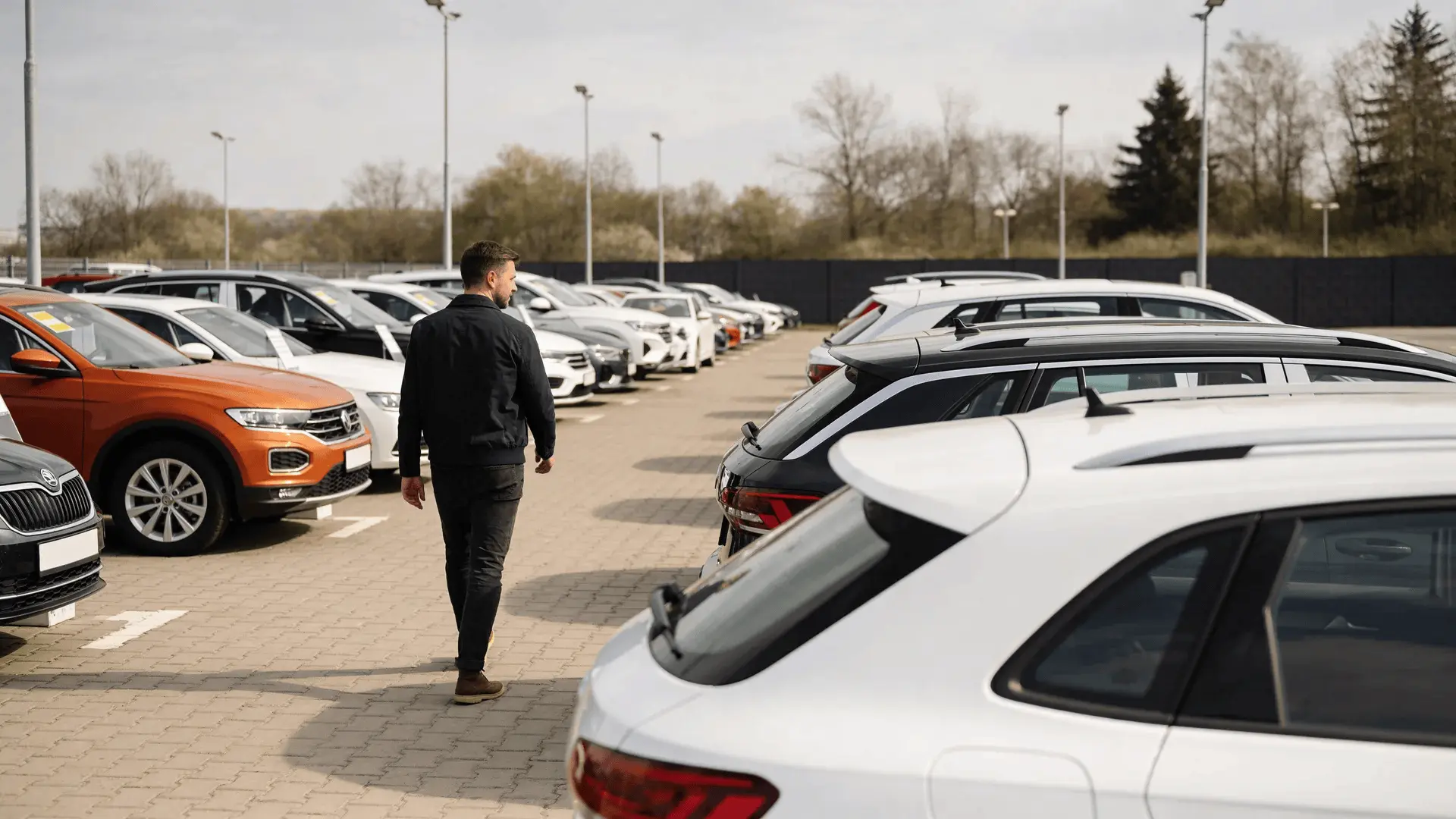
Automotive marketing closely follows the way buyers move through the vehicle purchasing process. This process is commonly called the customer journey.
Because buying a vehicle often takes weeks or months, marketing strategies must adapt to different stages of buyer intent.
Awareness Stage – Early Vehicle Research
The journey usually begins when someone realizes they need a new vehicle. A growing family may need a larger car, a longer commute might push someone toward fuel efficiency, or an older vehicle may simply become unreliable.
At this point, buyers rarely know the exact model they want. They explore broad categories and search for topics such as “best SUVs for families” or “electric cars with long range.”
Marketing during this stage focuses on visibility and education rather than direct selling.
Consideration Stage – Vehicle Comparison
After gathering initial information, buyers begin narrowing their choices. They compare specific models, read expert reviews, examine safety ratings, and evaluate features such as cargo space, fuel efficiency, and in-car technology.
Marketing here helps buyers evaluate options. Comparison guides, detailed videos, and owner testimonials often influence which vehicles remain on the shortlist.
Purchase Stage – Dealership Engagement
Eventually, buyers contact dealerships or visit showrooms. By this stage, they already know a great deal about the vehicles they are considering. Marketing shifts toward helping them take the final step.
Clear pricing, financing options, and test drive scheduling make it easier for buyers to complete the purchase.
Ownership Stage – Retention Marketing
Automotive marketing does not end after the sale. Vehicle owners still require maintenance, service appointments, and sometimes upgrades.
Dealerships use retention marketing to maintain relationships through service reminders, warranty notifications, and trade-in offers. These interactions increase the likelihood that customers return when they are ready for another vehicle.
Modern automotive marketing works best when it supports buyers at every stage of this journey, rather than relying on a single marketing channel.
7 Automotive Marketing Strategies Modern Dealerships Use
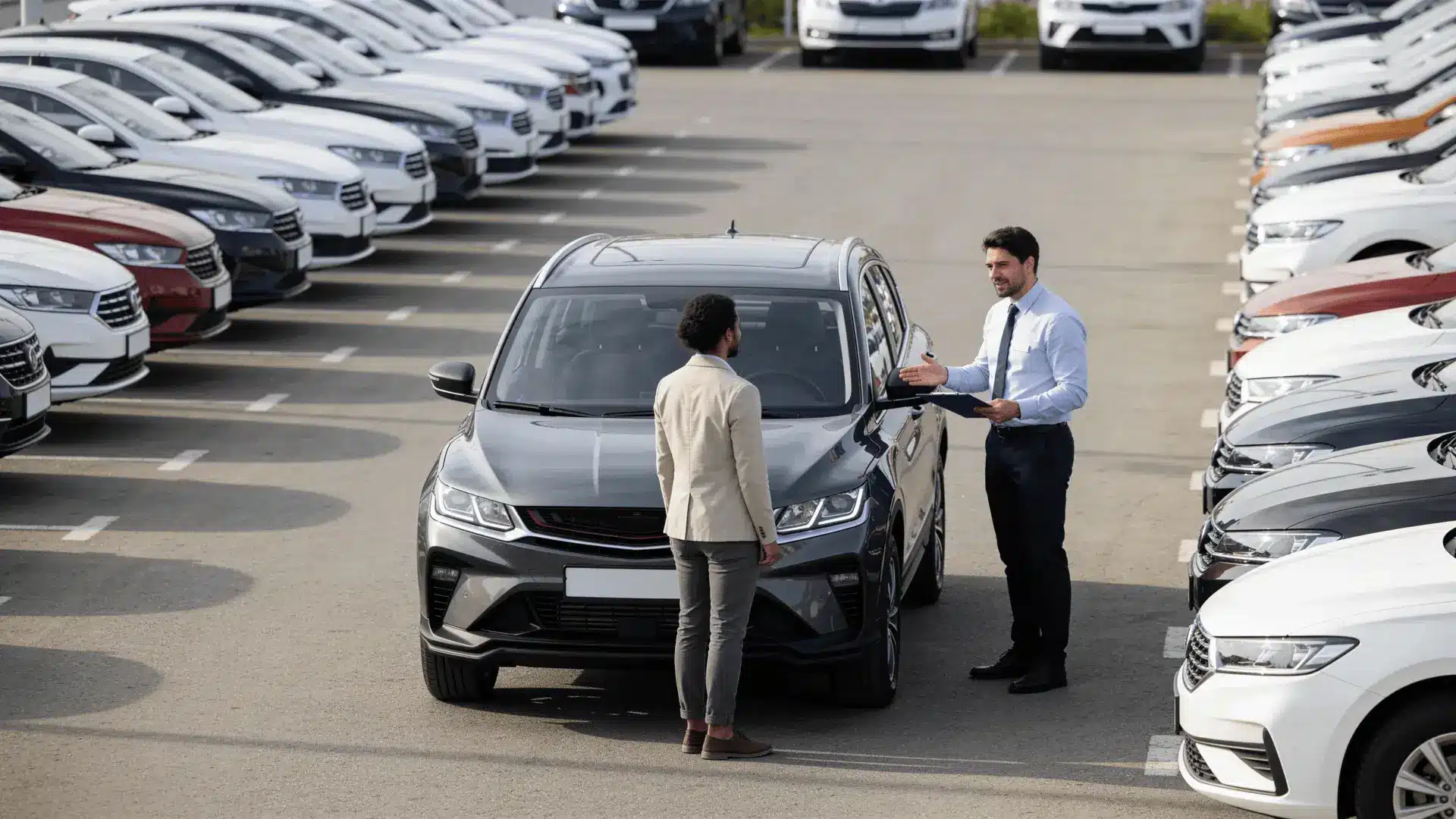
Dealerships rely on several core strategies to reach and convert potential buyers.
1. Search and Local Discovery Marketing
Search engines play a central role in automotive marketing.
When people begin researching vehicles, they often start with a search query. They might look for vehicle models, reviews, or dealerships near their location.
Appearing in these results is essential for dealerships.
If a dealership does not appear during these searches, buyers may never discover it. Strong search visibility ensures that potential customers encounter the dealership during their research.
2. Social Media and Video Marketing for Vehicles
Vehicles are highly visual products.
Buyers often want to see how a vehicle looks and performs before visiting a dealership. Social media platforms and video channels provide an effective way to showcase these features.
Walk-through videos, test drive demonstrations, and owner stories help buyers imagine owning the vehicle. This emotional connection can strongly influence purchasing decisions.
3. Paid Digital Advertising and Retargeting
Paid advertising helps dealerships reach potential buyers actively researching vehicles.
Retargeting campaigns are particularly useful. These campaigns show advertisements to people who have previously visited a dealership website or viewed a specific vehicle online.
This repeated exposure keeps the dealership visible while buyers continue comparing options.
4. Automotive Content Marketing and Vehicle Education
Educational content supports buyers during research.
Articles explaining vehicle features, ownership costs, or comparisons between models help buyers understand their options. This content also builds trust.
When dealerships provide helpful information rather than simply promoting sales, buyers often view them as reliable sources of guidance.
5. Lead Generation and CRM Automation
When buyers request information online, their details enter a customer relationship management system.
CRM platforms organize these leads and track communication with potential customers. Automated reminders help sales teams follow up consistently.
Without this system, many inquiries might be forgotten or delayed.
6. Data-Driven Personalization and Intent Targeting
Personalization improves the relevance of marketing messages.
If a buyer shows interest in electric vehicles, marketing campaigns can highlight electric models rather than unrelated options. This targeted approach increases engagement and reduces wasted advertising.
7. Customer Retention and Ownership Marketing
Keeping existing customers engaged is just as important as attracting new ones.
Service reminders, loyalty programs, and exclusive offers encourage vehicle owners to maintain relationships with dealerships. Over time, these interactions increase the chances that customers return for future purchases.
AI Tools and Platforms Used in Automotive Marketing

Technology now supports nearly every stage of automotive marketing. AI tools help marketers create campaigns faster, analyze buyer behavior, and automate communication with potential customers.
Instead of replacing marketing teams, these tools support them by handling repetitive work and processing large amounts of data.
In the automotive industry, AI platforms are most commonly used for content creation, lead management, and customer communication.
AI Ad Copy and Creative Generation Tools
Automotive campaigns often require many variations of the same advertisement. A single vehicle can be promoted using different angles, such as price, fuel efficiency, safety features, or performance.
AI writing tools help marketers generate multiple versions of advertising copy quickly. These tools produce headline ideas, descriptions, and promotional messages that can be tested across search ads, social media campaigns, and display advertising.
Testing these variations is important because different buyers respond to different messages. A family searching for a safe vehicle may respond to safety-focused messaging, while another buyer may care more about financing options or fuel savings.
By generating many variations quickly, AI tools allow marketers to identify which messages attract the most interest and refine campaigns accordingly.
AI Video and Visual Ad Creation Tools
Video has become one of the most effective ways to showcase vehicles. Buyers often want to see how a car looks, how the interior feels, and how certain features work before visiting a dealership.
AI tools now assist with producing this visual content more efficiently. Editing tools can automatically organize clips, generate captions, and create short promotional videos suitable for social platforms.
Some systems can even turn vehicle images into short animated presentations that highlight key features. This allows dealerships and manufacturers to produce more visual content without increasing production costs.
Since buyers frequently watch several videos during their research process, consistent video content helps keep vehicles visible throughout that journey.
CRM Automation and Lead Management Platforms
Customer relationship management systems store and organize information about potential buyers. When someone submits a form, requests pricing, or schedules a test drive, their information enters the CRM platform.
AI features within these systems analyze buyer behavior and help prioritize leads. For example, someone who has visited multiple vehicle pages and requested financing information may be closer to making a purchase than someone who only browsed briefly.
By identifying these signals, CRM systems help sales teams focus their attention on the most promising leads. This improves efficiency and increases the chances of converting inquiries into actual sales.
AI Chatbots and Conversational Assistants for Dealerships
Many buyers research vehicles outside normal business hours. If they have questions late at night or during the weekend, they may leave a website if no one is available to respond.
AI chatbots provide immediate interaction in these situations. They can answer common questions about vehicle availability, financing options, dealership hours, and service scheduling.
Chatbots also help capture leads. During a conversation, they may ask visitors for contact information or suggest scheduling a test drive.
While chatbots cannot replace human sales teams, they ensure that potential buyers receive immediate attention, which helps keep them engaged during the research process.
These tools become most powerful when they are connected to automated marketing systems that manage leads and communication across multiple channels.
Automated Marketing Systems for Car Dealerships
Automotive marketing often involves many channels at once. Buyers may find vehicles through search engines, social media ads, marketplace listings, or dealership websites.
Automation systems connect these channels into a single workflow. They track inquiries, manage leads, and trigger follow-up communication automatically.
This coordination helps dealerships respond faster and maintain consistent communication with potential buyers.
- Automated lead capture: Marketing platforms collect inquiries from search ads, social media, websites, and listings, then send them directly into CRM systems so dealerships can track and respond to every potential buyer.
- AI-powered follow-up sequences: Automated messaging responds instantly to inquiries, sends helpful vehicle information, and schedules test drives, helping dealerships stay visible while buyers continue comparing vehicles.
- Inventory-based advertising automation: Advertising systems connect directly to dealership inventory databases, updating ads automatically when vehicles sell or new models arrive, ensuring buyers always see accurate listings.
- Lifecycle marketing for owners: Automation tools send service reminders, warranty updates, and trade-in offers, helping dealerships maintain long-term relationships and increasing the chances customers return for their next vehicle.
Automotive Marketing Agencies Using AI
Many dealerships manage marketing internally, but others partner with automotive marketing agencies that specialize in digital marketing for the industry.
These agencies often combine marketing strategy with AI tools and automation systems. Their goal is to help dealerships generate consistent leads and manage marketing campaigns more efficiently.
What AI-Driven Automotive Marketing Agencies Do
AI-focused automotive marketing agencies build and manage marketing systems for dealerships. This often includes running advertising campaigns, analyzing marketing data, and implementing automation tools.
Because these agencies work across multiple dealerships, they gain insight into patterns that improve marketing performance. They can identify which campaigns generate the most leads and which platforms deliver the strongest results.
Their work often focuses on building repeatable marketing systems rather than one-time advertising campaigns.
Services Offered by Automotive Marketing Agencies
Automotive marketing agencies typically provide services such as search advertising management, social media marketing, content creation, and search optimization.
Many agencies also set up CRM platforms and automated follow-up systems to ensure that every lead receives timely communication.
AI tools are increasingly integrated into these services. They help agencies analyze campaign performance, improve targeting, and automate routine marketing tasks.
When Dealerships Should Work with An Agency
Some dealerships successfully manage marketing internally, especially when campaigns remain relatively simple.
However, as marketing expands across multiple platforms and automation systems become more complex, managing everything in-house can become difficult.
Working with an agency allows dealerships to focus on sales and customer relationships while marketing specialists handle campaign strategy, technology setup, and ongoing optimization.
Wrapping Up
Automotive marketing involves far more than promoting vehicles. It is a structured system designed to guide buyers through a long and complex decision process.
From early research to dealership visits and long-term ownership, marketing influences every stage customers go through.
Modern technologies such as AI tools and automation systems now make this process more efficient by helping marketers understand buyer behavior and respond more quickly. At the same time, human expertise remains important for strategy and customer relationships.
When these elements work together, automotive marketing becomes a powerful way to connect buyers with vehicles that meet their needs.
Frequently Asked Questions
How does AI improve automotive marketing strategies?
AI improves automotive marketing by analyzing buyer behavior, predicting purchase intent, automating communication, and helping marketers deliver more relevant advertisements and personalized campaigns.
Why is the automotive customer journey important in automotive marketing?
The customer journey explains how buyers move from early research to purchasing a vehicle. Understanding these stages helps marketers provide the right information and offers at the right time.
How does digital marketing influence car sales?
Digital marketing connects dealerships with buyers during online research through search engines, advertisements, social media content, and dealership websites, helping guide buyers toward a purchase decision.