

Most people searching for AI with no limits assume it means one simple thing: no censorship, no rules, no barriers.
In reality, it almost never means that.
Some tools remove visible filters. Others remove usage caps. Some shift control to your own hardware. And some rely more on bold positioning than technical change.
The real difference is not “free vs. restricted.” It’s where control lives in the stack.
If you don’t understand that, you can’t make a smart decision. You may overestimate what a tool can do, or underestimate the tradeoffs that come with fewer guardrails.
So instead of hype, I’ll walk you through what “no limits” actually means, how these systems function under the hood, and what I’ve seen firsthand while experimenting with hosted and local models.
Let’s start at the base layer.
What Does “AI With No Limits” Actually Mean?
When people say “no limits,” they’re usually referring to one of four things:
- No content filters
- No usage caps
- No login requirement
- No corporate moderation
Those are not interchangeable.
A tool might remove content filters but still limit how many prompts you can send per day. Another might allow unlimited chatting while blocking certain topics entirely.
And there’s a deeper distinction most people miss. There’s a difference between what the model can generate and what the platform allows you to see.
Model Capability vs. Platform Policy
An AI model is trained on large datasets and then fine-tuned to behave in certain ways. That’s the model layer. On top of that, companies often add:
- API moderation filters – automated systems that scan prompts and responses before or after the model runs, blocking flagged content.
- Safety classifiers – secondary models trained specifically to detect harmful, sensitive, or policy-violating material.
- UI-level blocking rules – interface controls that hide, replace, or prevent certain outputs from being displayed to the user.
So even if the model could technically generate something, the platform may intercept it before you ever see it.
This is where expectations break. People assume the model itself is “censored.” In many cases, the restriction lives one layer above it.
Marketing vs. Technical Reality
Many tools advertise “no limits” because they:
- Allow adult content
- Reduce refusal frequency
- Remove daily caps
- Skip account requirements
But no AI is truly without limits. Every system is constrained by hardware, compute cost, legal boundaries, training data, and fine-tuning choices.
The common misunderstanding is assuming “no limits” means no guardrails anywhere in the stack. That’s rarely true.
To evaluate tools correctly, you need to understand where limits actually live.
Where AI Restrictions Actually Live (Model vs. Platform vs. Hosting Layer)

Unrestricted AI isn’t about deleting rules. It’s about understanding the stack.
There are three main layers: Model layer, Platform/API layer, and Hosting layer. Each can introduce limits independently.
1. Model Weights and Training
The base model is trained on massive datasets and then fine-tuned.
Fine-tuning often includes reinforcement learning from human feedback (RLHF). That process shapes how the model responds to sensitive topics, explicit requests, and harm-related prompts.
If these behaviors are deeply embedded during fine-tuning, they exist inside the model itself. So even if you remove external filters, the model may still refuse.
This is model-level alignment.
2. API-Level Moderation
Many commercial platforms wrap models with moderation systems.
Before your prompt reaches the model, it may pass through a classifier. After the model generates a response, that output can pass through another filter. If flagged, the system blocks or edits the response.
This layer is separate from the model.
Removing the app does not remove API moderation if you’re still calling the same backend.
3. UI-Level Blocking
Sometimes the interface itself enforces rules.
The model may generate something, but the app hides it or replaces it with a warning. This is the easiest layer to remove, but it’s rarely the only one.
4. Local vs. Cloud Inference
When you run a model locally on your own hardware:
- There is no platform moderation
- There is no external usage cap
- There is no remote logging by default
You control the environment. But even then, the model still reflects its training data, embedded biases, and fine-tuning constraints.
Deleting the app does not delete the alignment embedded during training. That’s the structural reality.
Types of “No Limit” AI Tools Available Today
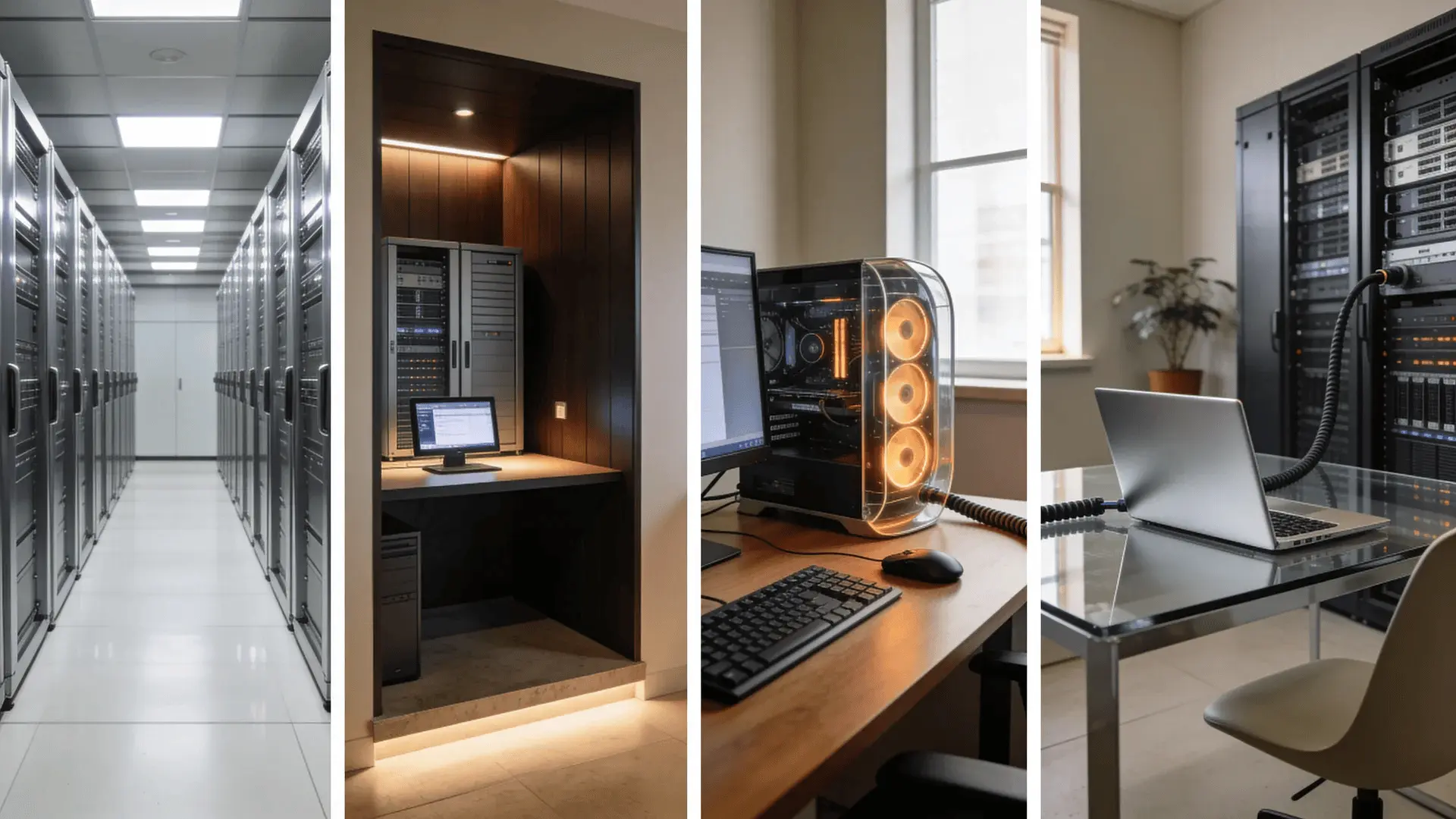
Not all unrestricted AI tools operate the same way. They may use different models, apply different moderation layers, or shift control to different parts of the stack. In practice, most fall into four categories.
1. Hosted Uncensored Chatbots
These are web-based platforms that advertise fewer filters or broader prompt tolerance.
They often allow adult content, reduce refusal frequency, and relax strict moderation compared to mainstream AI services.
Strengths:
- Easy to use
- No hardware required
- Immediate access
Failure modes:
- Limits may reappear over time
- High usage can trigger throttling or paid tiers
- Privacy depends entirely on the provider
Some platforms extend beyond chat and images into uncensored AI video generation, where moderation policies and usage limits vary significantly across tools.
They reduce friction. They do not eliminate structural constraints.
2. NSFW-Focused Platforms
These tools are built specifically for roleplay or adult-oriented use cases.
They prioritize minimal visible filtering and often tailor the experience around creative or character-driven interactions.
Strengths:
- Minimal content restrictions
- Designed for specific creative scenarios
Limitations:
- Narrow use scope
- Output quality can vary significantly
- Monetization layers tend to appear quickly
Some niche platforms focus on highly specific visual styles or character expressions, including trends like ahegao-style AI imagery, which appear in certain unrestricted image communities.
These platforms emphasize freedom, but they are usually niche rather than general-purpose systems.
3. Open-Source Models Run Locally
In this model, you download the AI weights and run the system directly on your own hardware. This shifts moderation, logging, and usage control away from a company and into your hands.
Strengths:
- Maximum control over configuration
- No platform-level moderation
- Full data privacy by default
Failure modes:
- Requires strong GPU and sufficient memory
- Setup and maintenance complexity
- Legal and ethical responsibility rests entirely with the user
This is where control genuinely changes hands.
4. Hybrid Platforms
Some platforms position themselves as “less filtered” while still maintaining selective guardrails. They aim to balance flexibility with platform stability.
Strengths:
- Greater flexibility than mainstream AI tools
- Lower technical barrier than local hosting
Limitations:
- Some moderation layers remain
- Marketing language may overstate the level of freedom
The mistake is assuming all “no limit” tools function the same way. In reality, they don’t.
Now let’s compare them through a more practical lens.
Comparison of Popular AI Tools that Claim No Restrictions
When evaluating tools, focus on five dimensions:
1. Content Flexibility
Some tools allow explicit content while still blocking illegal material. Others permit controversial discussions but refuse prompts that involve direct harm or instruction-based risks.
Even platforms marketed as “uncensored” draw boundaries somewhere.
Some tools position themselves specifically as AI generators with no filters, allowing broader prompt ranges while still operating within platform boundaries.
The real question isn’t whether a system allows everything. It’s where it chooses to draw the line and how consistently it enforces that boundary.
2. Usage Limits
“No limits” usually means there’s no daily cap, or that the cap is significantly higher on a paid tier.
Free versions often feel unlimited at first, but throttling tends to appear as usage increases.
Behind the scenes, computing infrastructure is expensive. Running large models at scale costs money, which means truly unlimited usage over time is rarely sustainable without some form of monetization.
I’ve tested platforms that advertised unlimited access, only to see quiet throttling appear after higher usage levels. “No cap” often means “no visible cap.”
If a platform promises permanent unlimited access, long-term restrictions, pricing changes, or hidden caps typically follow.
3. Privacy Handling
Cloud-based tools may log prompts, conversations, and related metadata as part of their infrastructure.
Local models, by contrast, keep data on your own machine by default.
That added control can improve privacy, but it also shifts responsibility. When you host locally, security, storage, and data protection are entirely in your hands.
4. Performance Tradeoffs
Highly moderated models may refuse more often, but they usually produce cleaner and more stable outputs.
Less moderated systems tend to allow broader content, though the responses can be less consistent or more unpredictable.
In practice, greater freedom often comes at the expense of refinement and stability.
5. Sustainability
Every AI tool operates within economic constraints.
If a platform offers unrestricted access at no cost, it is either temporarily subsidizing usage or planning to introduce limits, pricing tiers, or restrictions later.
Marketing language may suggest permanence, but it does not change the underlying economics of compute.
If you step back and compare categories side by side, the differences become clearer.
| Dimension | Hosted Platforms | NSFW-Focused Platforms | Local Open-Source Models | Hybrid Platforms |
|---|---|---|---|---|
| Content Flexibility | Reduced filters, platform boundaries remain | Minimal visible filtering, niche focus | Depends on model selection | Partial filtering remains |
| Usage Limits | Often tier-based or throttled | Usage tied to subscription models | Limited only by hardware | Tier-based with selective caps |
| Privacy | Provider may log data | Provider-controlled | Data stays on your machine | Platform-dependent |
| Performance | Optimized cloud infrastructure | Variable quality | Hardware-dependent | Balanced performance |
| Responsibility | Shared with provider | Mostly platform-controlled | Fully on the user | Shared responsibility |
The category you choose determines where control and responsibility actually sits.
Running AI Locally for Maximum Control
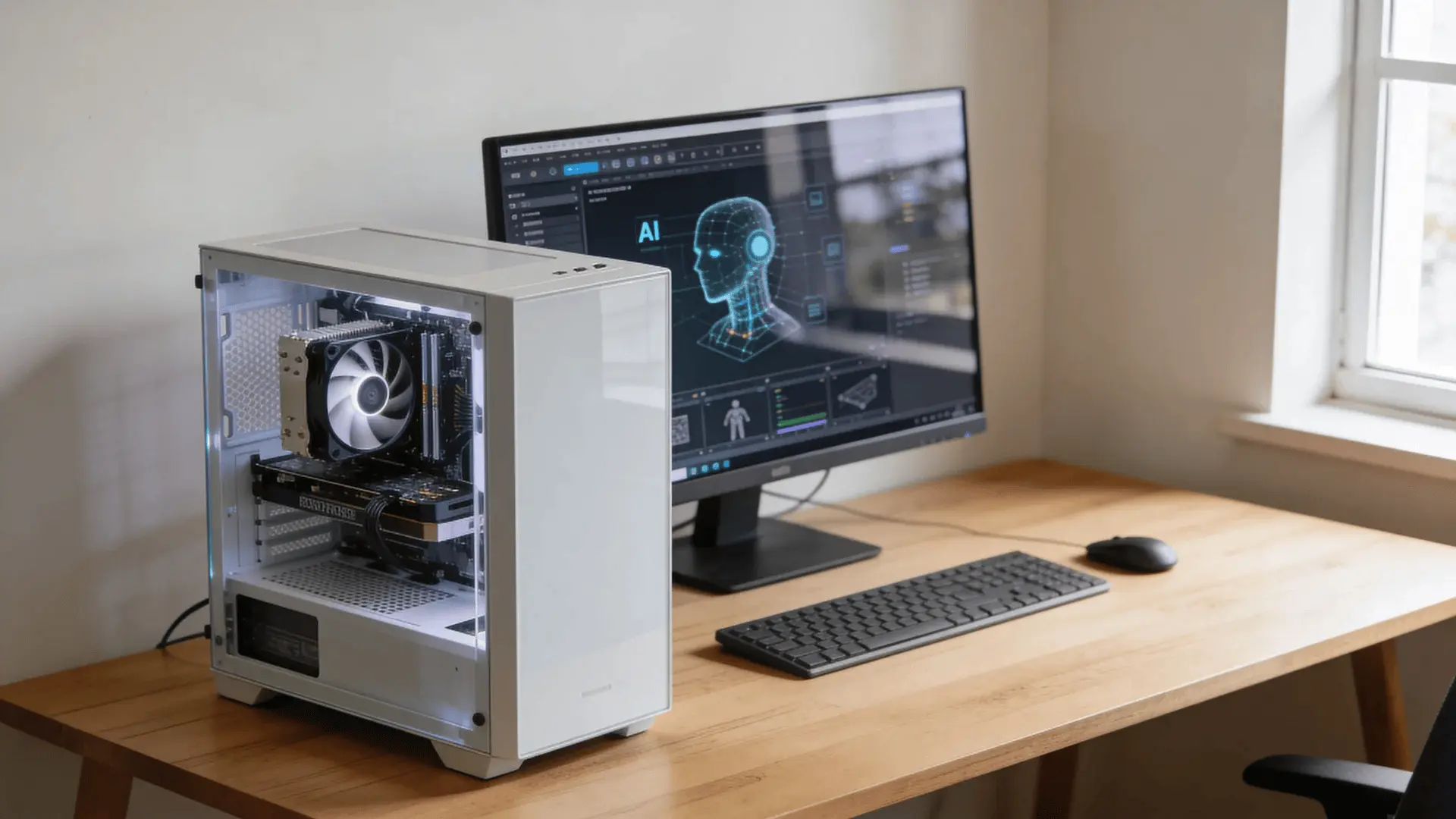
Running a model locally removes platform moderation, but it also changes the equation.
Why Local Inference Removes Moderation
When you run a model on your own hardware, there is no API filter, no UI blocking layer, and no remote account enforcement. The model executes directly within your environment.
That’s genuine structural control.
Hardware Requirements
Local models require a strongGPU, adequateVRAM, and sufficientsystemRAM. Larger models can demand serious hardware investment, and without it performance slows dramatically.
The freedom is real, but so are the resource demands.
Model Selection Considerations
Some models are base models with minimal fine-tuning. Others are instruction-tuned or safety-aligned.
Base models often refuse less, but they can be less coherent. Instruction-tuned models are typically more stable, though they may retain embedded refusals.
There is no perfect model, only tradeoffs.
Performance Constraints
Local inference may run slower than cloud systems, and it requires maintenance, updates, and occasional troubleshooting.
It is not effortless.
Legal Responsibility Shifts
When you run locally, responsibility moves entirely to you.
- You are accountable for output.
- You are accountable for usage.
- There is no intermediary platform acting as a buffer.
Local does not mean simple or free. It means autonomy with consequences
Legal, Ethical, and Platform Risks of Using Unrestricted AI
Removing filters shifts control; it doesn’t remove accountability. Legal limits, platform policies, and real-world consequences still apply.
Platform Terms of Service
Cloud tools can suspend accounts, restrict access, or disable features entirely. Violating platform terms can end access immediately, sometimes without warning.
Content Legality Boundaries
Even tools with minimal moderation operate within legal frameworks. Generating illegal content can result in account bans, legal exposure, or both.
Unrestricted does not mean exempt from law.
Liability Shift in Local Hosting
If you generate harmful or illegal content locally, there is no corporate buffer between you and the consequences.
Responsibility rests entirely with you.
Monetization Risks
If you build products using unrestricted AI, payment processors may refuse service and hosting providers may restrict or terminate access.
Freedom always intersects with infrastructure policy.
The misconception is believing that “no filter” means no risk. That’s never true.
How to Choose the Right No-Limit AI for Your Use Case
There isn’t a universal best option. The right choice depends on what you’re trying to accomplish and how much control you’re prepared to manage.
1. Creative Writing or Roleplay
If your goal is narrative writing or roleplay, a hosted uncensored chatbot may be sufficient. These platforms prioritize ease of access and minimal setup, which makes them practical when convenience matters more than full-stack control.
2. Image Generation
If you’re focused on visual output, some tools specialize in fewer image restrictions. When privacy becomes important, running image models locally provides stronger control over how prompts and outputs are handled.
In image models, much of the control comes from how prompts are written. Well-structured AI photo prompts can significantly change how unrestricted models behave.
That level of control is what separates deliberate results from trend-driven outputs.
Many users experiment with unrestricted image systems by generating exaggerated or humorous visuals, including the kind of goofy AI images that circulate widely online.
3. Research or Experimentation
For technical flexibility or testing boundaries, open-source local models offer adjustable parameters and full environment control. They allow deeper configuration but require capable hardware and ongoing maintenance.
4. Privacy Sensitivity
If you handle sensitive material, local hosting reduces external exposure. Cloud platforms can still work, but they require trust in how the provider logs and stores data.
5. Budget Constraints
Local models involve upfront hardware investment. Cloud platforms distribute cost through subscription tiers. The difference isn’t which is cheaper; it’s where the cost sits.
There is no single tool that fits every scenario.
Define what freedom means in your context: fewer refusals, no usage caps, full privacy, or total output control, and choose the category that aligns with that priority.
Wrapping Up
The idea of AI with no limits sounds simple, but it isn’t.
Limits can exist at the model layer, the platform layer, or the hosting layer. Removing one does not remove them all. What changes is not the presence of structure, but where that structure sits.
Some tools reduce moderation. Some remove usage caps. Local models shift control entirely into your hands.
In my experience testing both hosted platforms and local setups, the biggest difference isn’t what the model can generate; it’s who controls the environment around it.
True freedom in AI is not the absence of structure. It’s understanding where that structure lives and choosing your position within it deliberately.
If you approach unrestricted AI with clarity instead of hype, you can select a system that fits your goals, respects your risk tolerance, and aligns with your responsibilities.
Start by defining what “no limits” means to you. Then choose the stack that gives you that level of control
Frequently Asked Questions
Is there an AI with no restrictions?
Some tools significantly reduce filters, especially open-source models run locally. However, all AI systems have technical, legal, or hardware limits somewhere in the stack.
What is the best AI chatbot without filters?
There is no universal best choice. The right option depends on your goal, privacy needs, and tolerance for setup complexity.
Can you run an uncensored AI locally?
Yes. Open-source models can be downloaded and run on your own hardware, removing platform moderation but requiring strong computing resources.
Is unrestricted AI legal?
It depends on how it is used. Generating illegal content or violating platform terms can create legal or account consequences.
Do no-limit AI tools require payment?
Many offer limited free tiers. Sustained, high-volume usage usually requires subscription fees or hardware investment.