
Finding the best budget drones gets confusing fast, so stick with me before spending your money. I’ll help you sort through the noise without making the buying process feel technical.
Some cheap drones look impressive on paper, but the real experience can be very different once you start flying. You need to know which details actually matter before choosing one.
I’ve compared the options with everyday buyers in mind, from simple indoor models to small camera drones. You’ll see how different features can completely change what feels worth buying today.
Here, I’ll help you narrow the choices, avoid paying for features you do not need, and find a drone that fits your plans.
Things to Know Before Buying a Budget Drone
A budget drone can still produce steady footage, but the experience depends on more than price. When comparing cheaper models, stabilization, weight, GPS features, and wind handling matter most.
- Camera stabilization: A physical gimbal keeps footage steadier during movement. Cheaper drones may rely on electronic stabilization, which smooths video digitally and can crop part of the frame.
- Wind performance: Software stabilization works best in calmer conditions. Strong wind or sudden movement can make footage less stable and may introduce visible distortion around the edges.
- Weight: Drones under 250 grams are popular because they avoid FAA registration for recreational flying in many cases, although other operating rules still apply.
- GPS return-to-home: This feature can automatically guide the drone back after signal loss or when triggered, reducing the chance of losing it during longer flights.
Prioritize the features that match how and where you plan to fly. A cheaper drone with better stabilization and GPS may suit you better than one focused mainly on camera resolution.
The Best Budget Drones
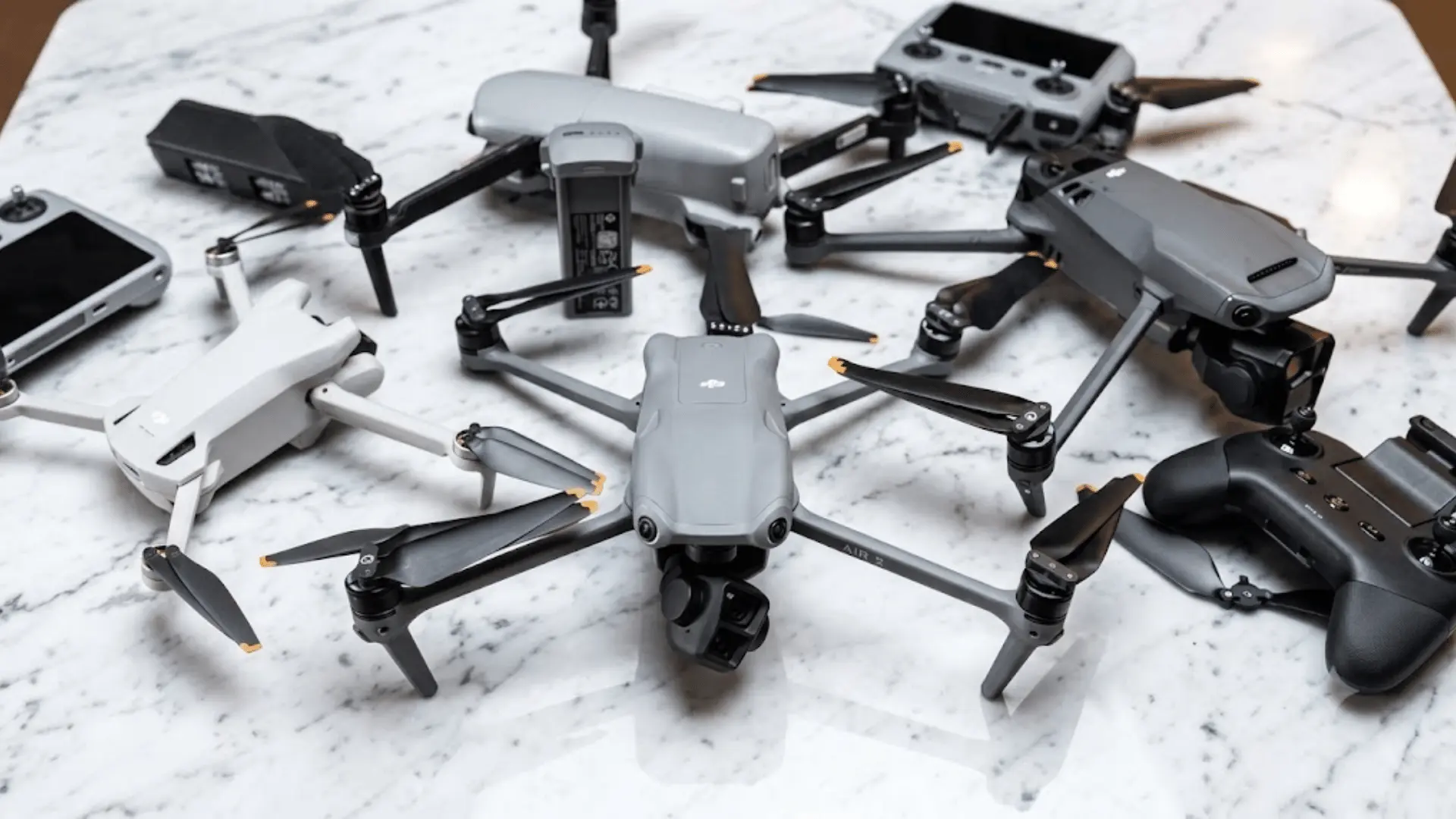
These budget drones cover everything from simple indoor practice models to stabilized 4K options, making it easier to match your budget with the way you actually plan to fly.
1. DJI Neo
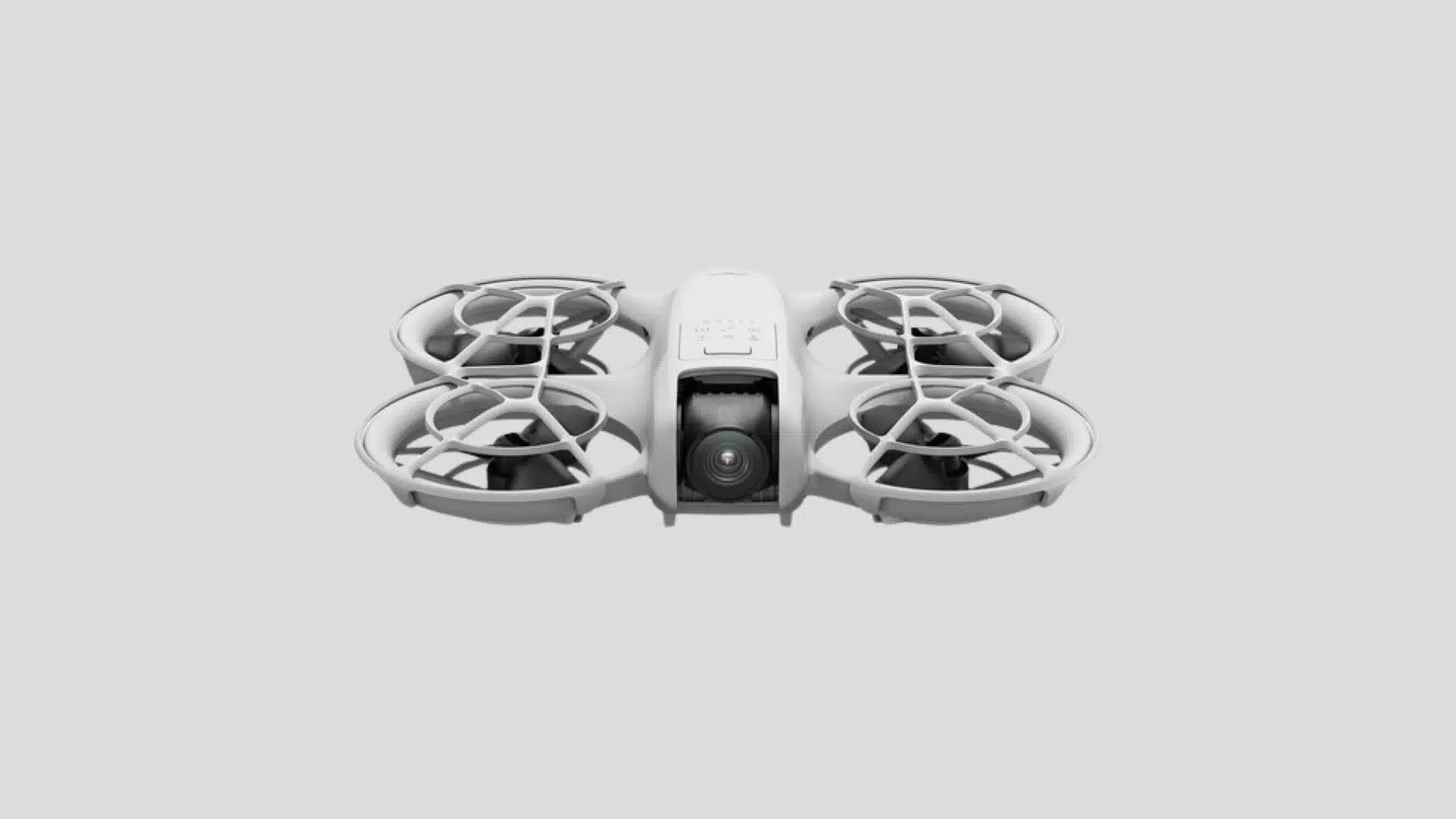
The DJI Neo weighs only 135 grams and launches directly from your palm without a controller, using a single-axis gimbal and a 1/2-inch 12MP sensor. It records 4K video at 30fps with RockSteady stabilization, supports voice control, flies up to 18 minutes per battery, and reaches a 7km transmission range in calm conditions.
- Introduced: September 2024
- Price (official): $199
- Best option for: Solo travelers and vloggers who want quick, self-filmed clips without carrying extra gear.
2. DJI Mini 4K
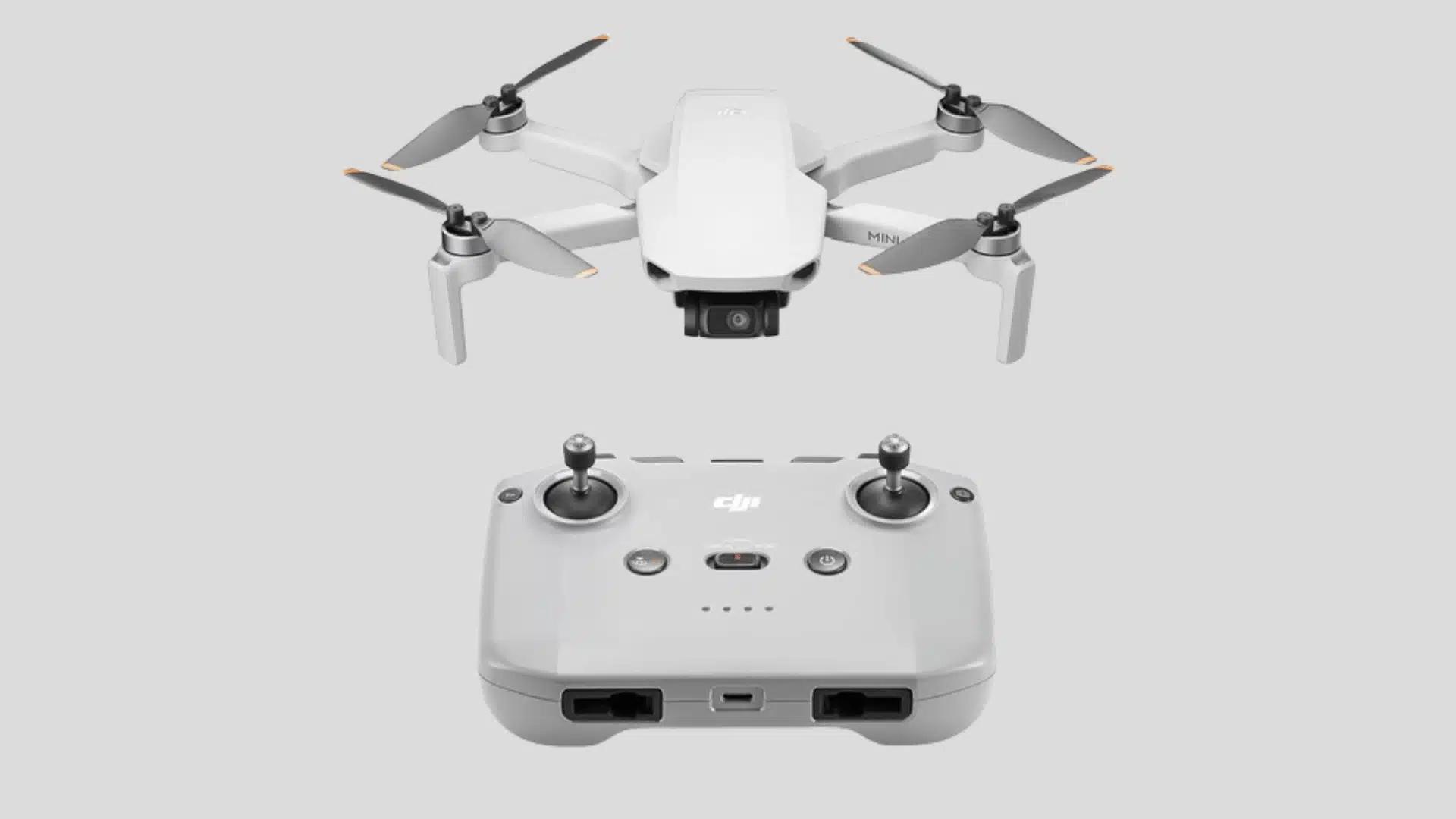
The DJI Mini 4K pairs a 3-axis mechanical gimbal with a 1/2.3-inch 12MP sensor for steadier 4K video at 30fps. Weighing under 249 grams, it withstands Level 5 winds up to 38kph, offers up to 31 minutes of flight time, and transmits video up to 10km, though it skips obstacle-avoidance sensors.
- Introduced: April 2024
- Price (official): $299
- Best option for: Beginners who want a real handheld controller and dependable manual flight over automated modes
3. Potensic Atom SE
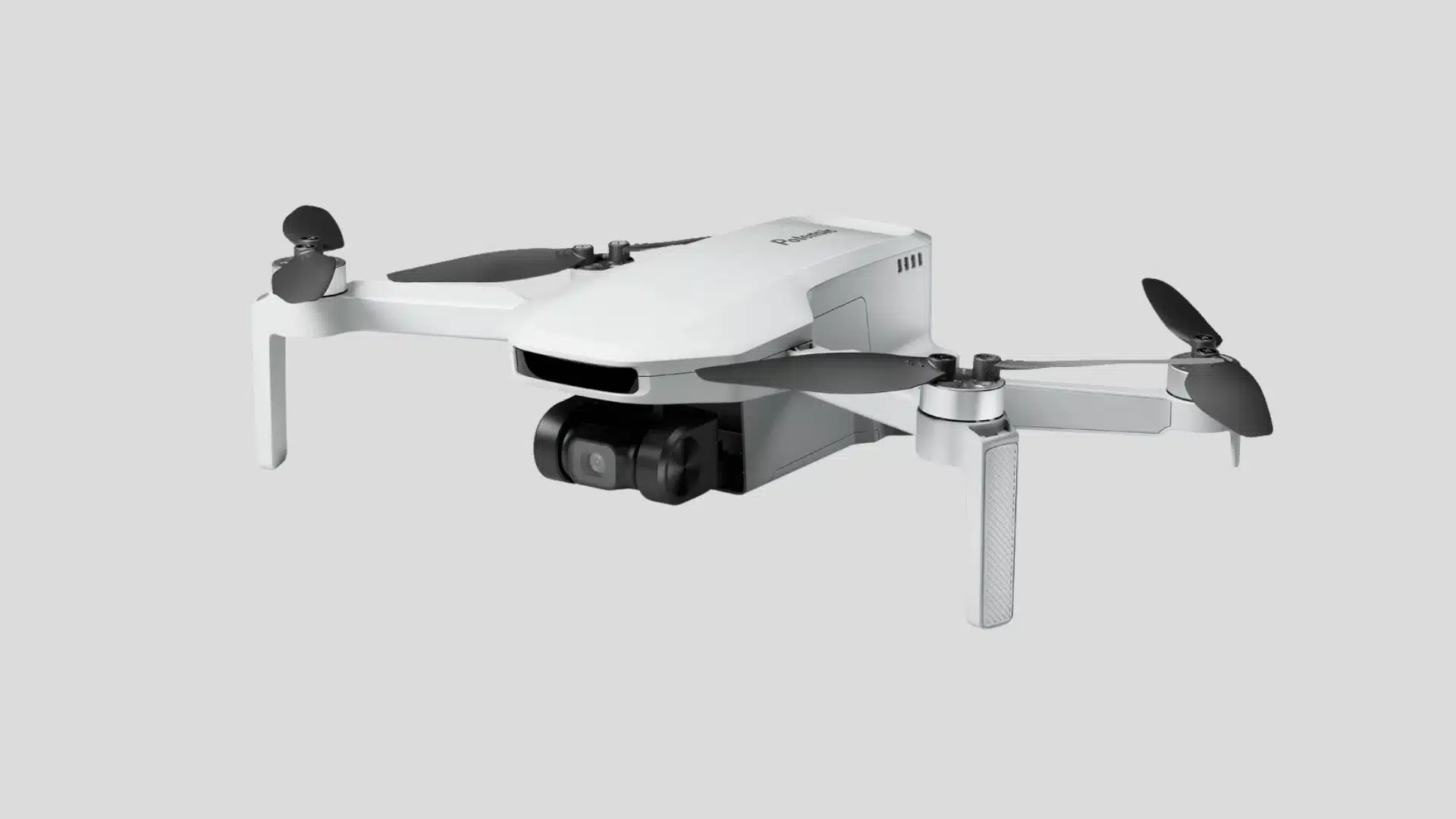
The Potensic Atom SE pairs ShakeVanish electronic stabilization with a Sony 12MP CMOS sensor to reduce shaky 4K footage. Weighing under 249 grams, it reaches speeds up to 16 m/s in Sport mode, handles Level 5 winds, flies up to 31 minutes per battery, and uses downward vision and ToF sensors for stable hovering when the GPS signal is weak.
- Introduced: 2023
- Price (official): $249.99 (Standard Kit)
- Best option for: Buyers considering non-DJI drone options with GPS return-to-home who do not want to pay primarily for the DJI name
4. DJI Mini 3
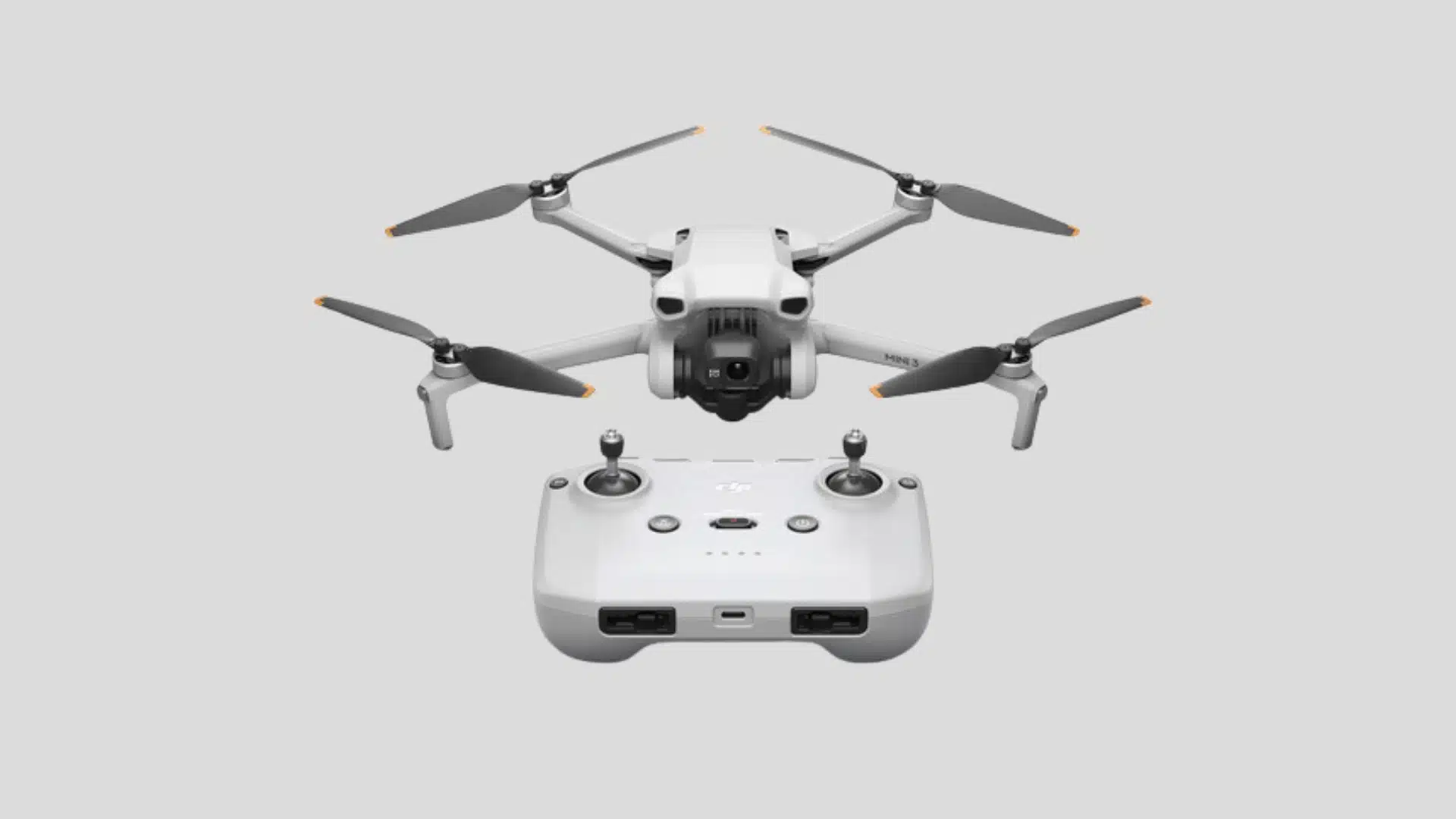
The DJI Mini 3 supports true vertical shooting and captures 4K video at 30fps through a bright f/1.7 aperture paired with a 1/1.3-inch sensor. At 249 grams, it withstands Level 5 winds and flies up to 38 minutes per battery, though it skips the obstacle sensing found on pricier DJI models to keep costs down.
- Introduced: December 2022
- Price (official): Starting at $438 (drone only)
- Best option for: Content creators who post to Instagram or TikTok and need vertical-native footage
5. DJI Mini 2 SE
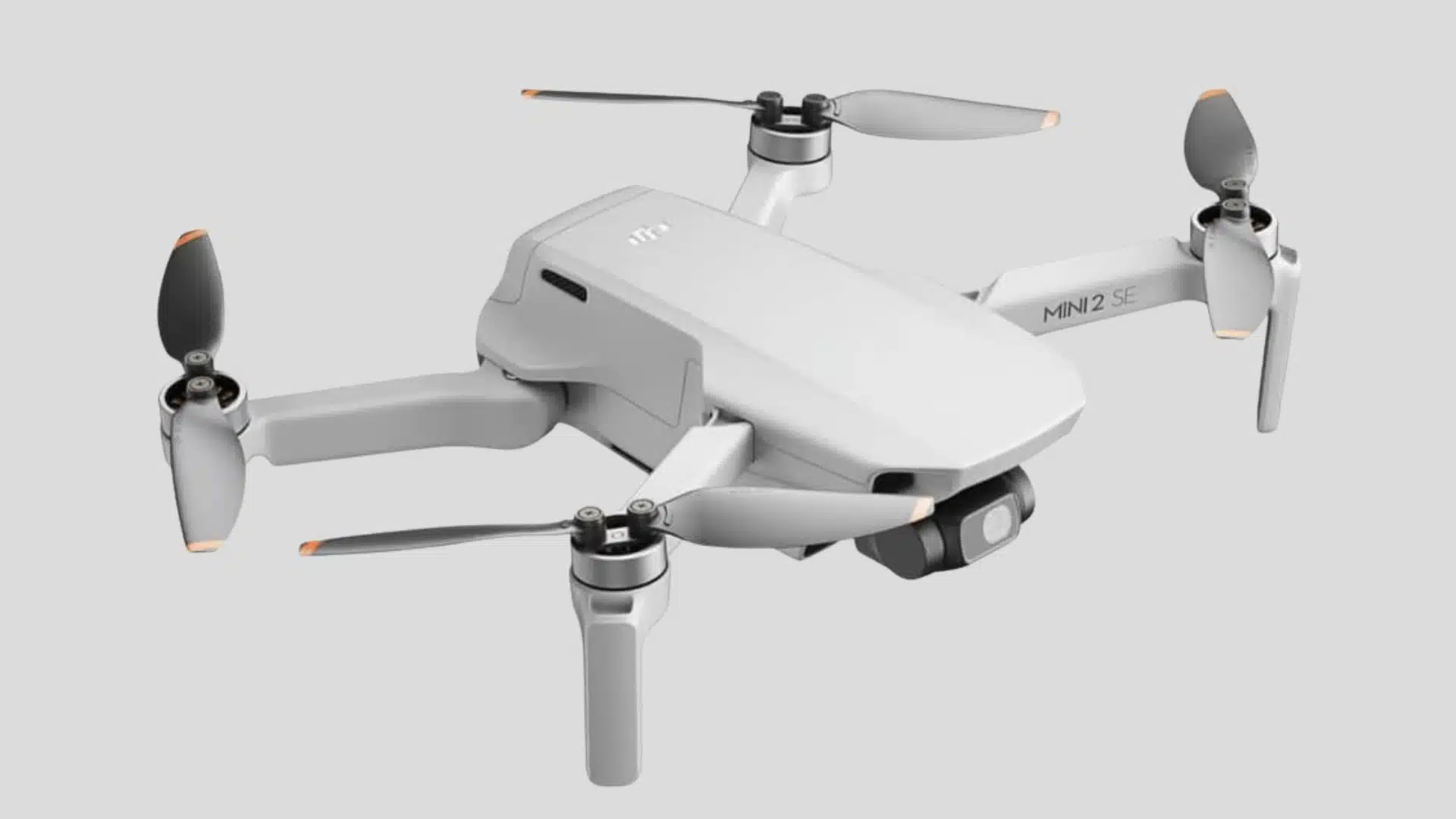
This drone uses a 3-axis gimbal and 1/2.3-inch sensor to shoot 2.7K video and 12MP photos, a step down from 4K but still smooth. Weighing about 246 grams, it flies up to 31 minutes, handles winds up to 38kph, and transmits video up to 10km, though it has no obstacle-avoidance sensors.
- Introduced: February 2023
- Price (official): $339
- Best option for: Budget-conscious beginners who want genuine DJI build quality but don’t need 4K footage
6. BETAFPV Cetus Lite FPV Drone Kit
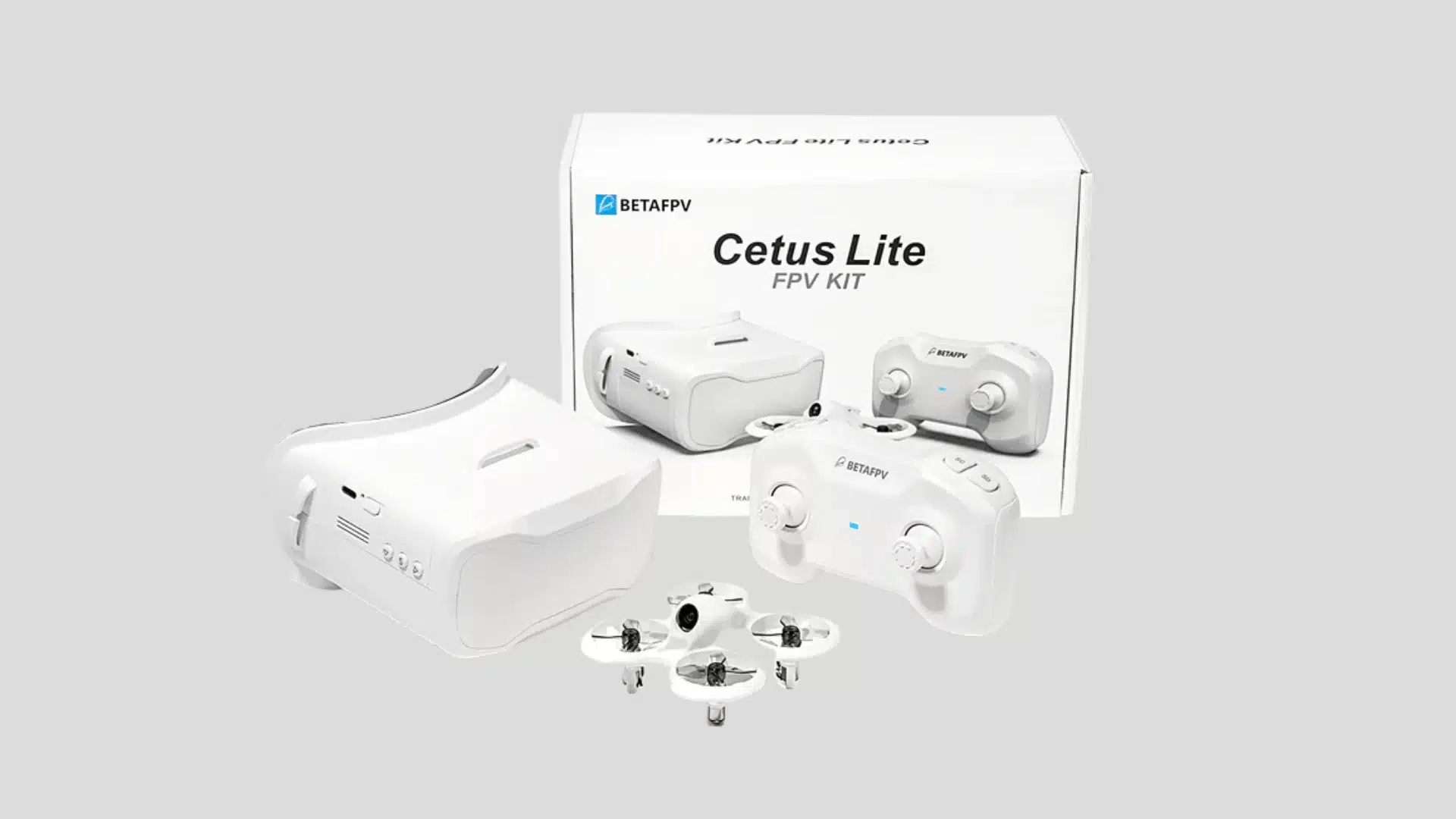
The BETAFPV Cetus Lite kit includes FPV goggles, a radio transmitter, and a protected PA12-plastic frame suited to indoor practice. Weighing about 35 grams with its 300mAh battery, it uses low-power brushed motors, altitude hold, and an automatic disarm system that cuts power on crash detection, giving roughly 4 to 5 minutes of flight time per charge.
- Introduced: 2022
- Price (official): $119.99 (full FPV combo)
- Best option for: Newcomers curious about first-person-view racing who want a safe, low-cost entry point
7. HOVERAir X1
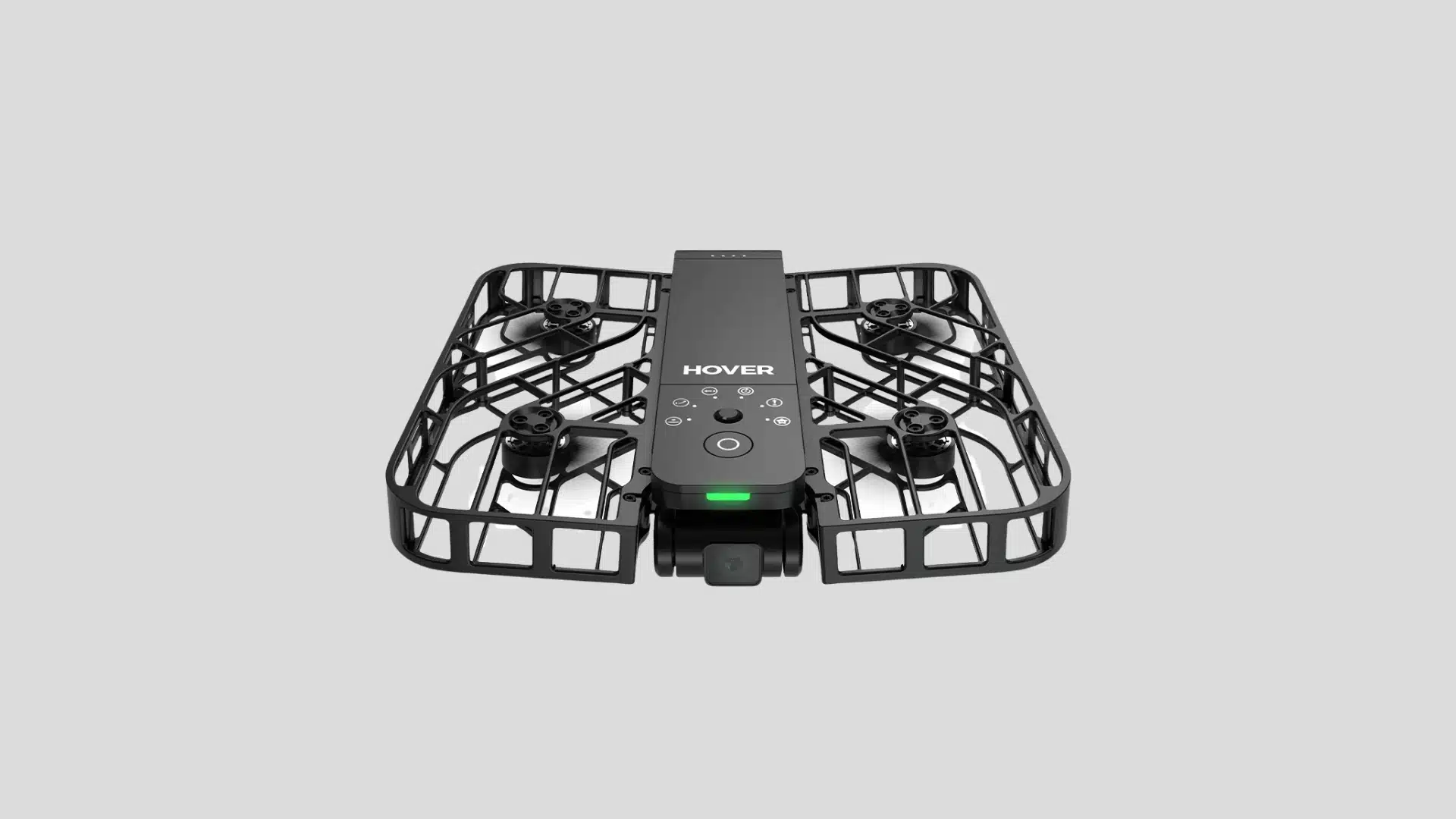
This pocket-sized selfie drone weighs just 125 grams, launches with a 3-second palm takeoff, and needs no controller to operate thanks to fully enclosed propellers. It shoots 2.7K video at 30fps, runs five preset flight paths including Follow and Orbit, tracks subjects at up to 16mph, and lasts about 11.5 minutes per battery.
- Introduced: August 2023
- Price (official): $299.99
- Best option for: Solo creators who want fully autonomous tracking shots without learning manual flight controls
8. Snaptain S5C Elite
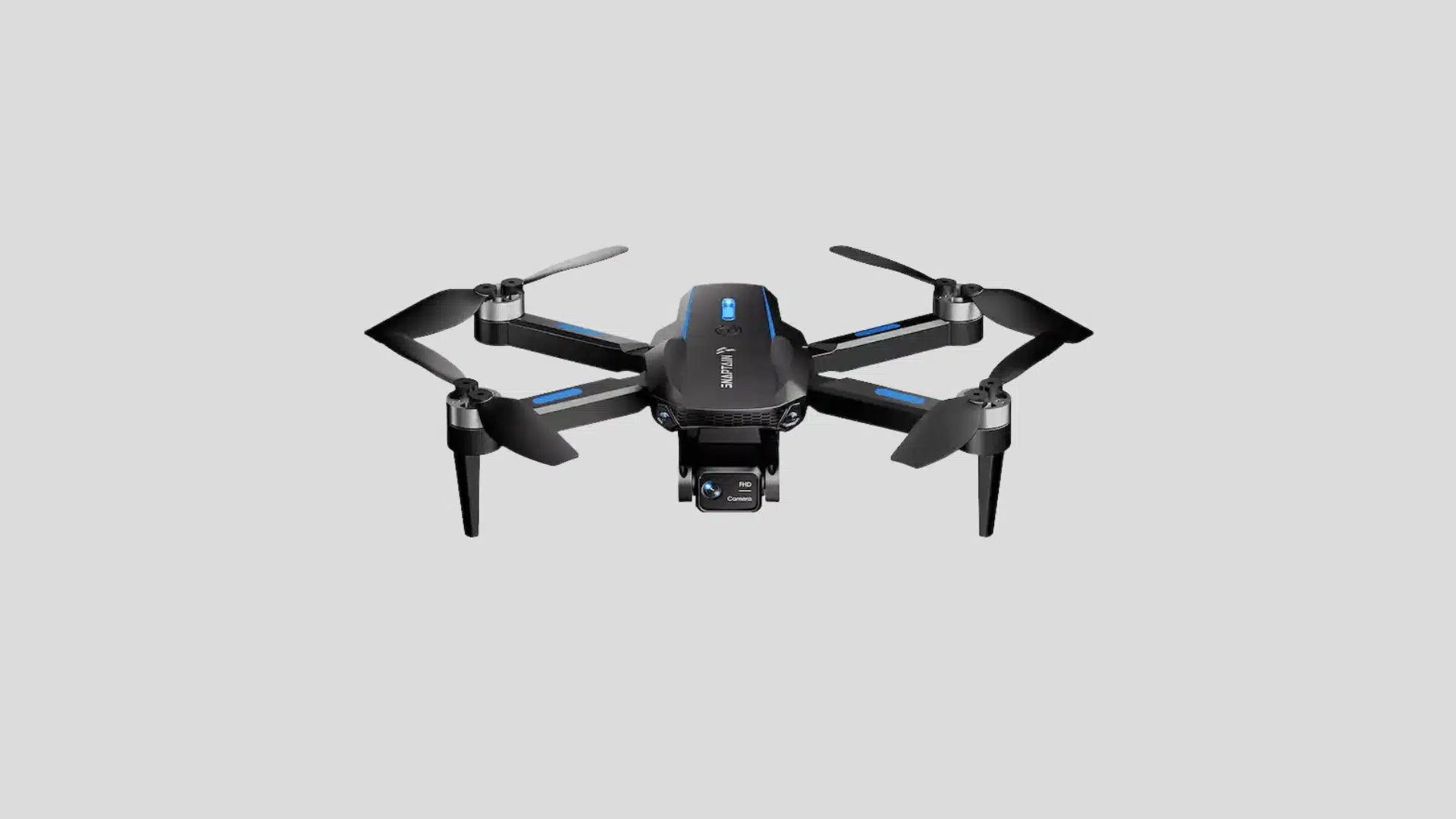
The Snaptain S5C Elite uses brushless motors for smoother, more durable flight and an optical flow sensor for steadier hovering. Its adjustable 90-degree camera records 1080p video, while two included 1200mAh batteries stretch total flight time to about 30 minutes. Voice control, headless mode, and 360-degree flips round out the beginner-friendly feature set.
- Introduced: June 2024
- Price (official): $99.99
- Best option for: First-time buyers who want brushless reliability without stepping up to a full camera drone
9. RC Drone E88 Pro
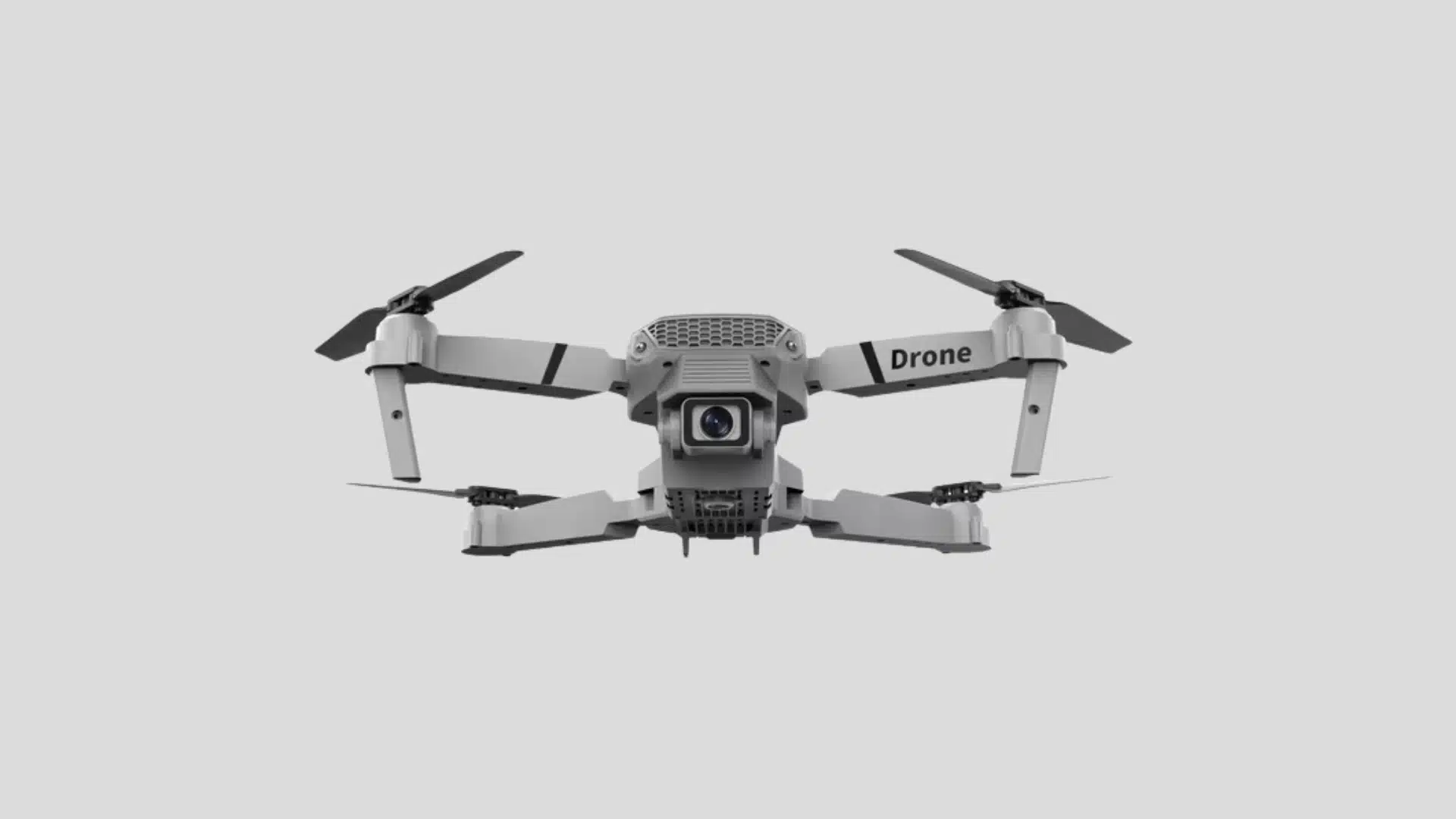
The RC Drone E88 Pro uses a foldable body with dual cameras and WiFi video streaming to a connected phone. It lacks a mechanical gimbal, so stability relies on altitude hold and headless mode rather than physical stabilization, and its modular batteries deliver roughly 15 to 20 minutes of flight time within a 200-meter control range.
- Introduced: 2024
- Price (official): Roughly $33–47 (varies by retailer)
- Best option for: Shoppers who want dual-camera novelty and don’t mind trading away stabilized footage
10. Holy Stone HS175D
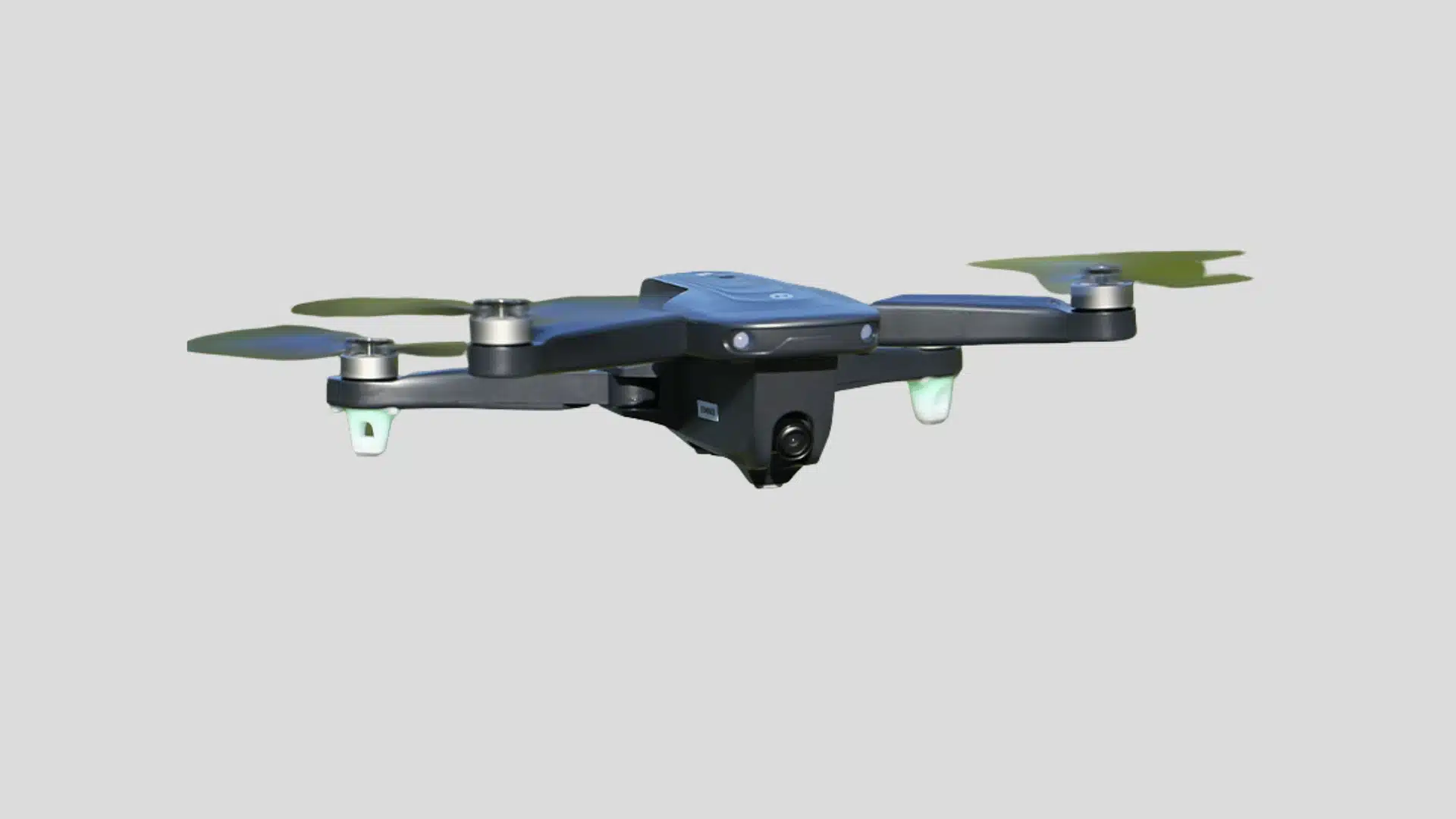
The Holy Stone HS175D uses GPS positioning, optical flow, and brushless motors for more controlled flight. Its camera records 2.7K video, but the lack of a gimbal limits smoothness during movement. At around 215 grams, it ships with two batteries for up to 46 minutes of combined flight time and includes GPS auto return and Follow Me mode.
- Introduced: 2022
- Price (official): $199.99
- Best option for: Buyers who want GPS safety features and long flight time, but can accept mid-tier video quality
11. Ryze Tello
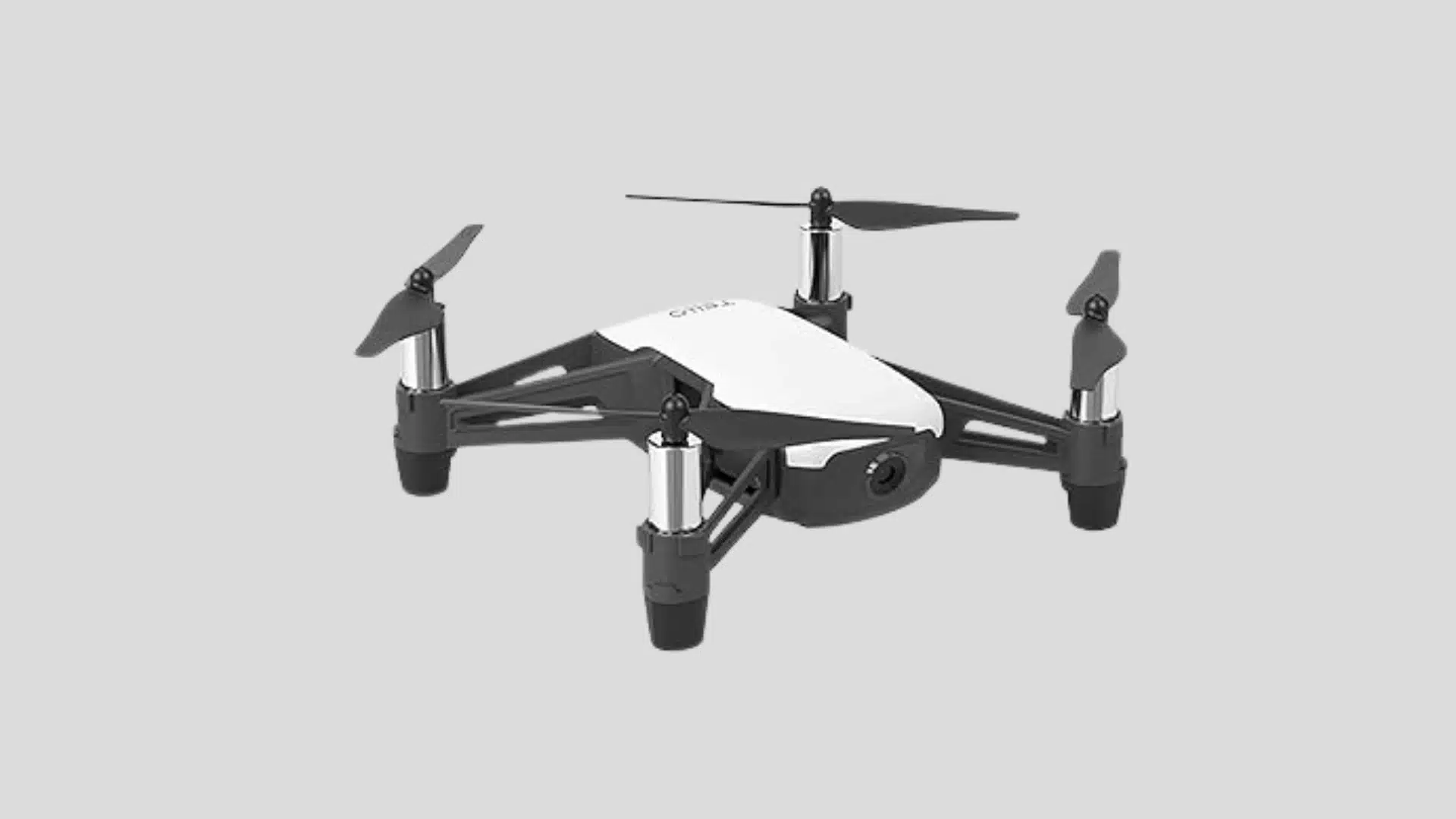
The Ryze Tello combines electronic image stabilization, vision positioning, and automated flight modes in a compact, 80-gram design built with DJI flight technology and an Intel processor. It shoots 5MP photos and 720p video, offers up to 13 minutes of flight time within a 100-meter range, and supports programmable commands for learning Scratch or Python coding.
- Introduced: 2018
- Price (official): $99
- Best option for: Beginners who want a DJI-engineered flight feel and Scratch/Python coding practice, not camera quality.
Which Features Actually Change the Recommendation
A few features matter far more than the rest because they directly affect how you fly, film, and use the drone.
- Self-filming vs manual flying: Self-flying drones can launch and track you automatically. Manual-control models give you more control over framing, movement, and shot direction.
- Camera stabilization: Mechanical gimbals physically steady the camera during movement. Electronic stabilization can still help, but it usually performs worse in wind and faster flight.
- GPS and return-to-home: GPS helps the drone hold position and enables automatic return on supported models. It matters most for outdoor flying and longer-distance use.
- Flight time and wind resistance: Longer battery life means fewer interruptions, while stronger wind resistance improves outdoor stability. Indoor flyers can usually place less importance on wind ratings.
Focus on the features that match your real flying needs, since paying for extras you will rarely use does not make a drone the better choice.
Final Thoughts
The best budget drones are not always the models with the longest feature lists. I’d focus on the few features that genuinely match how you plan to fly.
If smooth video matters, stabilization deserves more attention than flashy camera claims. If you mainly want practice or casual indoor flying, you can comfortably spend much less.
I also think GPS, flight time, and wind resistance become more valuable once you head outdoors. You do not need every upgrade, only the ones supporting your plans.
Use the comparisons above to narrow your shortlist, then choose the drone that fits your budget and flying style. Found your favorite? Share your pick in the comments.
Frequently Asked Questions
Is a Budget Drone Worth Buying Over a Toy Drone?
Yes, if it includes real stabilization. Toy drones under $50 usually skip this, so footage looks shaky even indoors. Drones in the $200 to $300 range add a gimbal or electronic stabilization, GPS return-to-home, and steadier flight, making them genuine camera drones instead of novelty toys.
Do Budget Drones Need FAA Registration?
No, as long as the drone weighs under 250 grams. Nearly every drone on this list, from the Eachine E010 to the DJI Mini 3, stays under that limit. This exempts them from FAA registration for recreational flying in the US, though you should still check local rules before flying.
What’s the Difference Between the Dji Neo and Dji Mini 4 K?
The DJI Neo launches from your palm and flies itself for hands-free, self-filming shots. The DJI Mini 4K comes with a traditional controller for manual flight, plus stronger wind resistance and longer flight time. Pick the Neo for convenience, the Mini 4K for creative control.
Is the Potensic Atom Se a Good DJI Alternative?
Yes, it’s one of the strongest non-DJI options available. It matches DJI’s core features, including 4K video, electronic stabilization, and GPS return-to-home, often at a lower price. For buyers who don’t need the DJI name specifically, it’s a solid budget pick.