
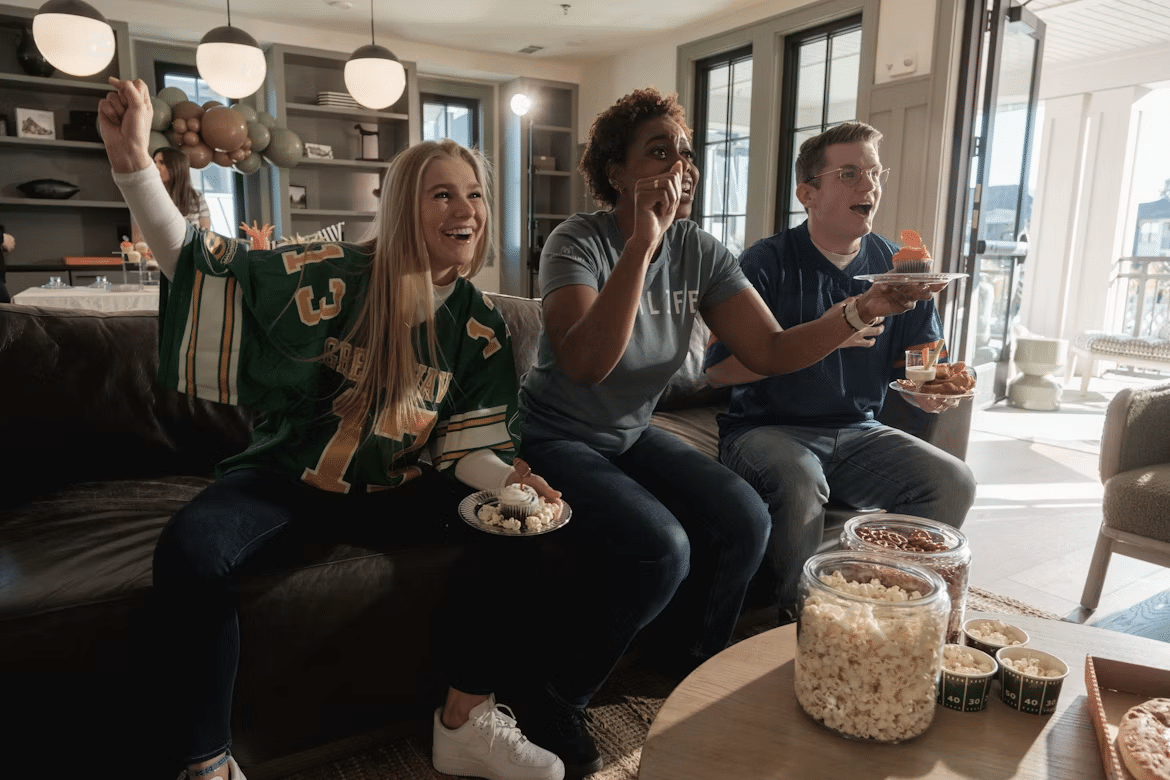
Watching sports at home used to mean sitting in front of one screen and waiting for the broadcast to explain the moment. That version of fandom still exists, but it is no longer the default. In the USA, the modern fan often watches the game on a TV while checking stats, highlights, group chats, fantasy scores, or social feeds on a phone or tablet.
That habit also spills into adjacent gaming and entertainment research, from device comparisons to review pages such as Crashduel Casino. The core pattern is not about replacing the game. It is about giving viewers a second layer of context while the main screen stays on the action.
The result is a more active kind of viewing. A fan does not just see a touchdown, buzzer-beater, or walk-off hit. They can check the replay angle, look up player data, react with friends, and compare the moment to similar plays almost instantly.
Why the TV Is No Longer the Only Screen
The second-screen habit grew because the phone became part of the living room. For many American households, the smartphone is now the remote, scoreboard, news ticker, chat room, and camera all at once. Sports fit that behavior naturally because live games create constant questions.
Who is injured? Why did the coach make that call? How fast was the receiver on that route? What does the standings picture look like now? A traditional broadcast cannot answer every question without slowing down the game, but a second screen can.
This changes the role of the TV. The big screen still carries the emotion, sound, and shared viewing experience. The smaller screen handles the details.
What the Second Screen Adds During Live Games
The best second-screen tools do not compete with the broadcast. They fill the gaps around it. That is why sports apps now focus on live data, personalized alerts, short-form clips, and synchronized features that match what is happening on the main screen.
For fans, the value is practical:
- Live stats explain performance beyond the score.
- Replay clips make it easier to catch missed moments.
- Fantasy updates connect individual player actions to personal leagues.
- Group chats turn solo viewing into a shared event.
- Multiview tools help fans follow several games during crowded schedules.
This is especially useful in U.S. sports, where overlapping games are common. On an NFL Sunday, a college basketball tournament day, or an MLB playoff race, one screen is rarely enough for fans who follow more than one team.
The Gadget Stack Behind a Better Home Setup
Second-screen viewing is not only about apps. Hardware matters too. A clean home setup can make the difference between useful context and digital clutter.
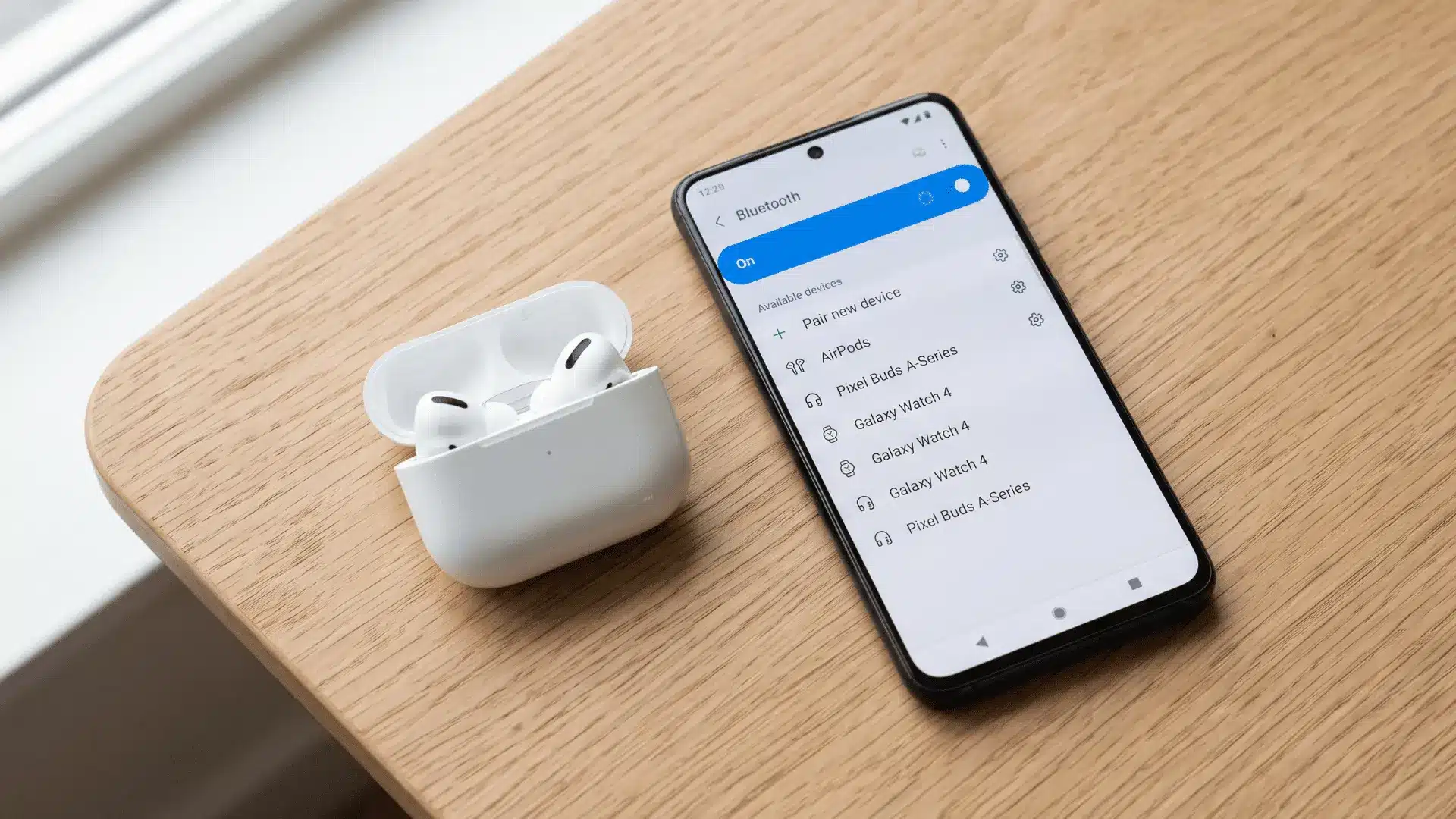
A strong sports-watching setup usually includes a reliable smart TV or streaming device, stable Wi-Fi, a phone or tablet with good battery life, and audio that keeps commentary clear. Some fans add a laptop for deeper stat pages or a second monitor for fantasy dashboards.
The most important part is not buying the most expensive gear. It is reducing friction. If the stream lags, the app spoils a result, or the Wi-Fi drops during a key possession, the second screen becomes a distraction instead of an upgrade.
Where the Experience Still Gets Messy
More information is not always better. The second-screen fan can become overloaded by notifications, split attention, and duplicate clips. A phone can help explain the game, but it can also pull the viewer away from the reason they turned on the game in the first place.
There is also a timing problem. Live TV, streaming apps, social feeds, and push alerts do not always move at the same speed. A scoring notification can arrive before the play appears on a delayed stream, which breaks the rhythm of watching live sports.
Privacy and personalization deserve attention as well. Sports apps often depend on user profiles, favorite teams, location settings, and viewing behavior. Fans get more relevant updates, but they should still check app permissions and notification settings.
What Comes Next for At-Home Sports Watching
The next stage will likely be more personalized and more synchronized. Fans will expect live stats that match the broadcast, highlights that appear seconds after a key play, and alerts that know when not to spoil the moment.
AI will also shape the experience. Instead of searching for a box score, a fan may ask for a quick explanation of why a defense changed coverage or how a player’s workload compares with previous games. The useful version of that future is not louder or busier. It is calmer, faster, and more relevant.
The second-screen fan is not a distracted fan by default. In many cases, they are a more informed fan. The challenge for sports technology is simple: add context without stealing attention from the game.