


Cybersecurity is becoming a serious career option, but many students still reach college without any formal experience in the field.
That is what makes AP Cybersecurity such an interesting addition. It gives high school students a structured way to understand digital threats, security systems, teamwork, and real workplace problem-solving.
I like that the course connects academic learning with practical career preparation instead of treating cybersecurity as another theory-heavy subject.
Coming up, you will see what the program includes, how the exam is structured, which skills it develops, and whether it deserves a place in your schedule.
What is AP Cybersecurity?
AP Cybersecurity is a college-level course built for high school students through the College Board’s AP Career Kickstart program.
It was developed with support from college faculty and industry leaders, and it aligns with the NICE Workforce Framework for Cybersecurity, a real framework that connects course skills to actual workplace roles.
Students learn how to spot online threats, reduce security risks, protect systems, and understand how networks stay secure. What stands out most is the hands-on approach.
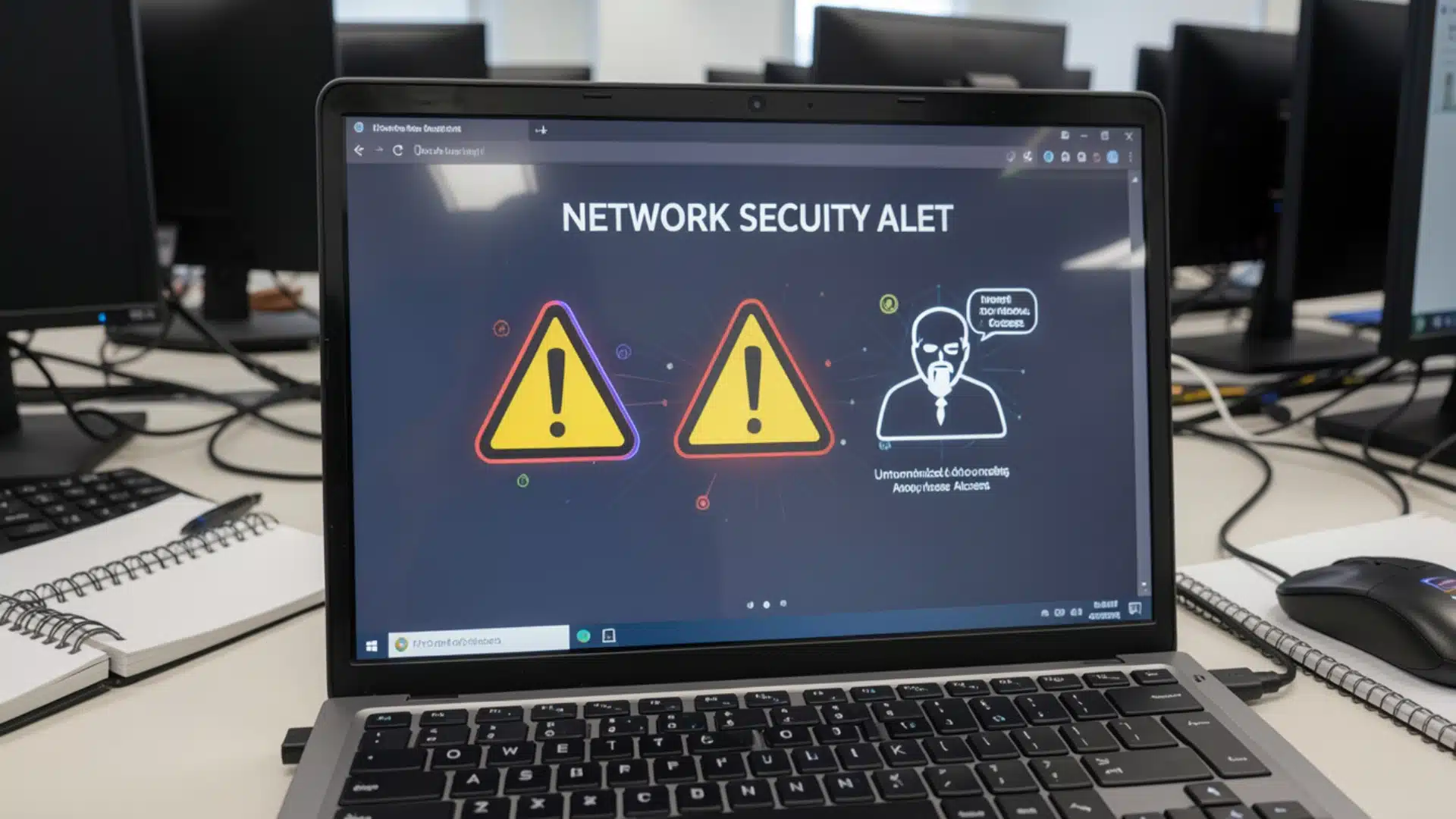
Instead of relying only on lectures and textbooks, students work through realistic scenarios, like identifying phishing attempts, suspicious network activity, and other common cybersecurity threats, making the subject easier to understand and practice.
When Will the Course Reach More Schools?
AP Cybersecurity is set to launch nationally in the 2026-2027 school year, following pilot programs at select schools. Schools that want to offer it must complete the College Board’s AP Course Audit, the process that authorizes new AP courses.
Teachers can participate in College Board professional learning, including AP Summer Institutes and other training opportunities that cover course content, classroom resources, and exam expectations.
The College Board lists the full adoption steps and resources on its AP Cybersecurity page, covering everything from authorization to classroom materials.
If a school has not shared updates yet, that does not mean the course is unavailable, and asking a counselor or department head is the clearest way to find out.
AP Cybersecurity Course Units
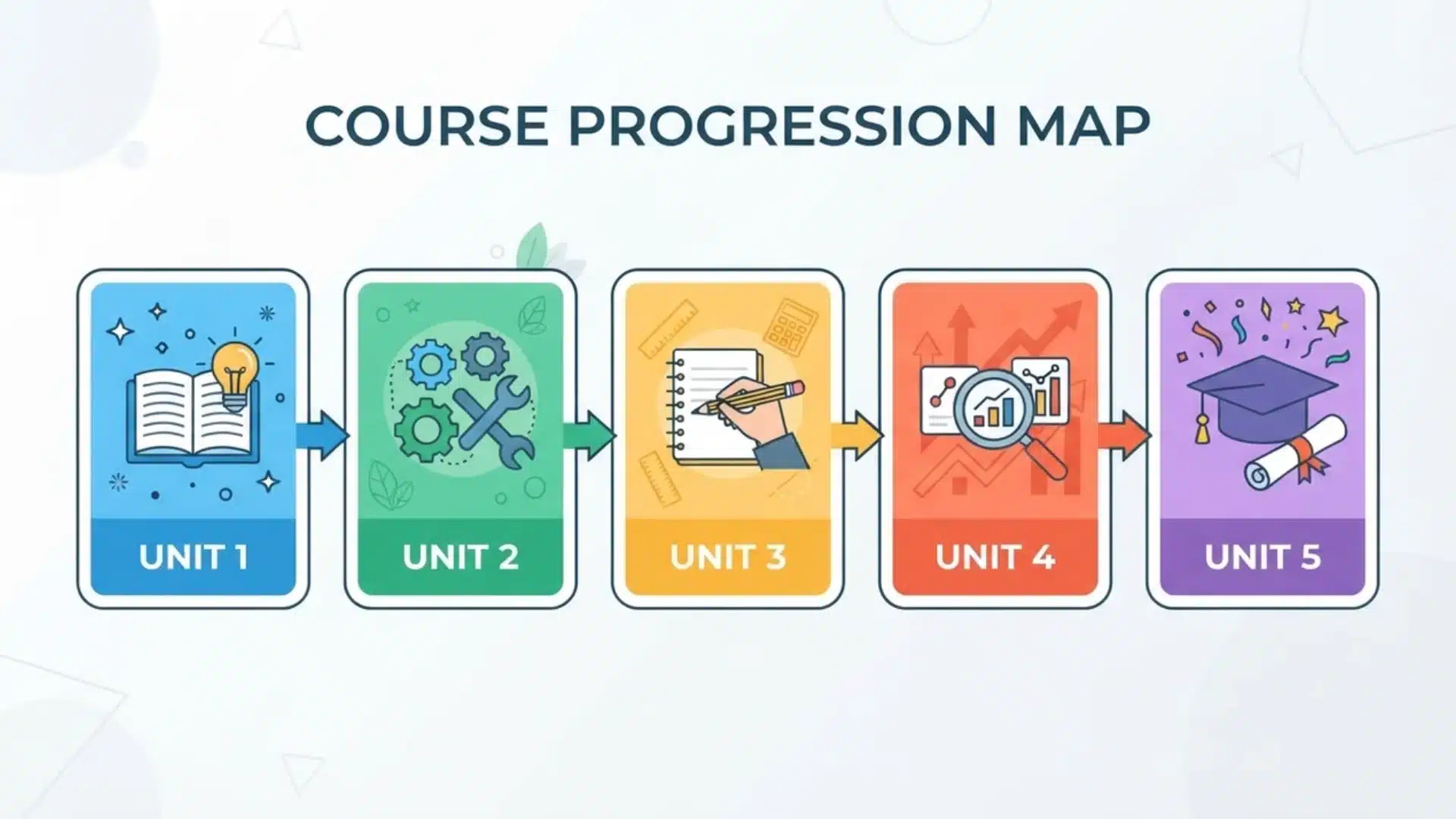
The AP Cybersecurity course is organized into five units that build on one another. Students begin with basic security concepts and gradually learn how to protect physical spaces, networks, devices, applications, and data.
1. Introduction to Security
The first unit explains the basic ideas behind cybersecurity and why digital systems need protection.
Students learn about common online threats such as phishing, malware, password attacks, and social engineering, including software installed without user consent that quietly tracks activity or opens the door to bigger attacks.
They also study how attackers take advantage of human mistakes and weak security practices. This unit builds a strong foundation for understanding how security risks affect people, organizations, and technology.
2. Securing Spaces
This unit focuses on protecting the physical locations where computers, servers, and networking equipment are kept. Students learn why controlling access to buildings, server rooms, and devices is an important part of cybersecurity.
Topics include locks, security cameras, identification badges, visitor policies, and environmental protections. These measures help prevent unauthorized access, equipment theft, and damage to important systems.
3. Securing Networks
Students learn how computer networks allow devices to communicate and why they are common targets for cyberattacks. The unit covers network threats such as unauthorized access, malicious traffic, and other security risks.
Students also study protective tools, including firewalls, secure network design, and monitoring systems. These concepts help them understand how organizations keep information moving safely across networks.
4. Securing Devices
This unit teaches students how to protect laptops, desktops, mobile devices, and other connected systems from security threats. They learn about software updates, antivirus tools, device settings, strong authentication, and common vulnerabilities.
Students also examine how cybercriminals can compromise devices and how regular maintenance and security practices help reduce the risk of attacks and data loss.
5. Securing Applications and Data
The final unit focuses on protecting software, user accounts, and stored data.
Students learn how authentication, authorization, encryption, and access controls help keep sensitive information secure. They also examine how organizations protect data using different security measures.
This unit brings together key concepts from the course and shows how they work in real-world situations.
Does the Course Require Coding?
AP Cybersecurity does not require coding. The curriculum focuses on protecting systems, spotting threats, assessing risk, and understanding how security teams respond to attacks, not on writing programs.
Students who want to spend more time coding and learning Java should consider AP Computer Science A instead, since that course centers on software development and algorithms.
There are also no prerequisites for AP Cybersecurity. Students can enroll without prior computer science coursework or programming experience, since the course is built to introduce security concepts from the ground up.
Some schools may offer both AP Cybersecurity and AP Computer Science A, which works well for students who want to build software and protect it.
What the Exam Tests and How It Works
The AP Cybersecurity Exam measures how well you apply cybersecurity concepts to realistic situations instead of simply recalling facts.
It focuses on four main skills: analyzing risk, reducing risk, detecting attacks, and collaborating to solve security problems. The exam includes 60 multiple-choice questions and one free-response question based on a real-world cybersecurity scenario.
Many multiple-choice questions use short case studies that ask you to apply what you have learned. The free-response section requires you to explain your decisions and recommend security actions.
The first national AP Cybersecurity Exam is scheduled for May 2027, with exact testing dates provided by the College Board and your school’s AP coordinator.
Dual Credentials: College Credit Plus Industry Certification

This course stands out because it can support both college and career goals.
- College Credit: A strong exam score may earn credit at participating colleges and universities, which could reduce future tuition costs and course requirements.
- Industry Certification: The course also prepares students for industry certifications such as CompTIA Security+ and Cisco Certified Support Technician (CCST): Cybersecurity, depending on which instructional resource their school uses, credentials that show practical knowledge of security fundamentals.
- Career Preparation: Students gain skills that can support internships, entry-level roles, and further study in cybersecurity or information technology.
- More than an Exam: Instead of focusing only on test preparation, students finish with academic knowledge and a clearer path toward professional qualifications.
That combination makes it a practical choice for students interested in technology.
Cybersecurity Career Outlook for Students
Cybersecurity is one of the fastest-growing career fields in the country, and AP Cybersecurity gives students an early look at what the work actually involves.
Government data backs up the demand, and the numbers make a strong case for taking this course seriously.
- Fast Job Growth: The Bureau of Labor Statistics projects information security analyst jobs to grow 29% from 2024 to 2034, far faster than most careers.
- Strong Median Pay: Information security analysts earned a median salary of $124,910 per year as of May 2024, according to the BLS.
- Steady Yearly Openings: About 16,000 new openings for information security analysts are expected each year over the next decade.
- High Nationwide Demand: Cybersecurity job trackers report hundreds of thousands of open positions across the country at any given time.
- Direct Skill Connection: The course teaches many of the cybersecurity concepts and problem-solving skills used in cybersecurity and information technology careers, which happen to fall among roles resistant to automation as employers keep hiring skilled analysts.
These numbers show that cybersecurity is not a passing trend. Students who take AP Cybersecurity in high school get a head start on a field that will continue to need skilled workers for years to come.
Is AP Cybersecurity Worth It?
AP Cybersecurity could be a strong fit for students interested in technology, IT, or digital security. What makes it appealing is the balance between classroom learning and practical skills that employers actually value.
It suits students who are curious about cybersecurity but have never studied it formally, want an AP course that may support college credit and an industry certification, or prefer working through real-world scenarios over memorizing definitions.
Students planning to study computer science, IT, or cybersecurity in college may gain the most from it.
Taking the course can build useful experience, deepen understanding of the field, and help students decide whether a cybersecurity career feels right before they commit to a college major.
Conclusion
AP Cybersecurity gives students a practical starting point in a field that continues to need skilled professionals.
By now, you should understand what the course teaches, how the exam works, what certification path it supports, and how it may help with college or career planning.
I would consider it a strong option for students who enjoy technology, problem-solving, teamwork, or learning how digital systems stay protected.
The final decision comes down to your interests, workload, and future goals. Would you add AP Cybersecurity to your schedule? Share your thoughts in the comments.
Frequently Asked Questions
What Is The Official Exam Date For AP Cybersecurity?
The first national AP Cybersecurity Exam is scheduled for Wednesday, May 5, 2027, as part of the College Board’s official AP exam schedule.
Does AP Cybersecurity Require Prior Coding Experience?
No, the course does not require any prior coding or programming experience. It is designed to be an accessible introduction to cybersecurity concepts, focusing on system protection rather than writing code.
How Does AP Cybersecurity Differ From AP Computer Science A?
AP Computer Science A focuses on building software using the Java programming language, while AP Cybersecurity focuses on defending digital systems against threats. They are complementary courses, teaching different but valuable skills.
Can I Take Both AP Cybersecurity And AP Computer Science A?
Yes, students can take both courses, potentially in the same year. AP Computer Science A teaches students how to build software, while AP Cybersecurity teaches them how to protect it, creating a powerful combined skillset.