
Automation is changing the job market fast. Every few months, there’s a new headline about AI replacing workers.
It’s easy to feel like no job is safe anymore. But the reality is more nuanced than that. Some careers are far more resistant to AI than others, and it comes down to specific reasons, not just luck.
In this blog, I’ll break down what actually makes a job hard to automate, which types of work hold up best, and where even the “safest” roles have limits.
What “AI-Proof Careers” Actually Means
The phrase “AI-proof” gets thrown around a lot, but it’s not entirely accurate. No job is 100% immune to AI.
A better way to think about it is a spectrum, some jobs arehigh risk, some arelow risk, and most fall somewhere in between.
Here’s the key distinction:
- AI-proof: a job AI can never touch (this doesn’t really exist)
- AI-resistant: a job where AI handles parts of the work, but humans stay central
- Low automation risk: a job where most tasks are hard for AI to replicate right now
The term “AI-proof careers” stems from a real fear as millions of jobs have already been disrupted. People want to know what careers are safe from automation.
However, many overlook a crucial point: AI replaces tasks, not entire jobs. For example, a doctor will still see patients, but AI will assist by reading scans more quickly. A lawyer will still argue cases, with AI helping by reviewing documents faster.
Rather than disappearing, most jobs evolve. So, the real question isn’t “Will AI impact my job?” but rather, “How much of my job can AI actually take over?”
Why Some Jobs are Hard for AI to Replace
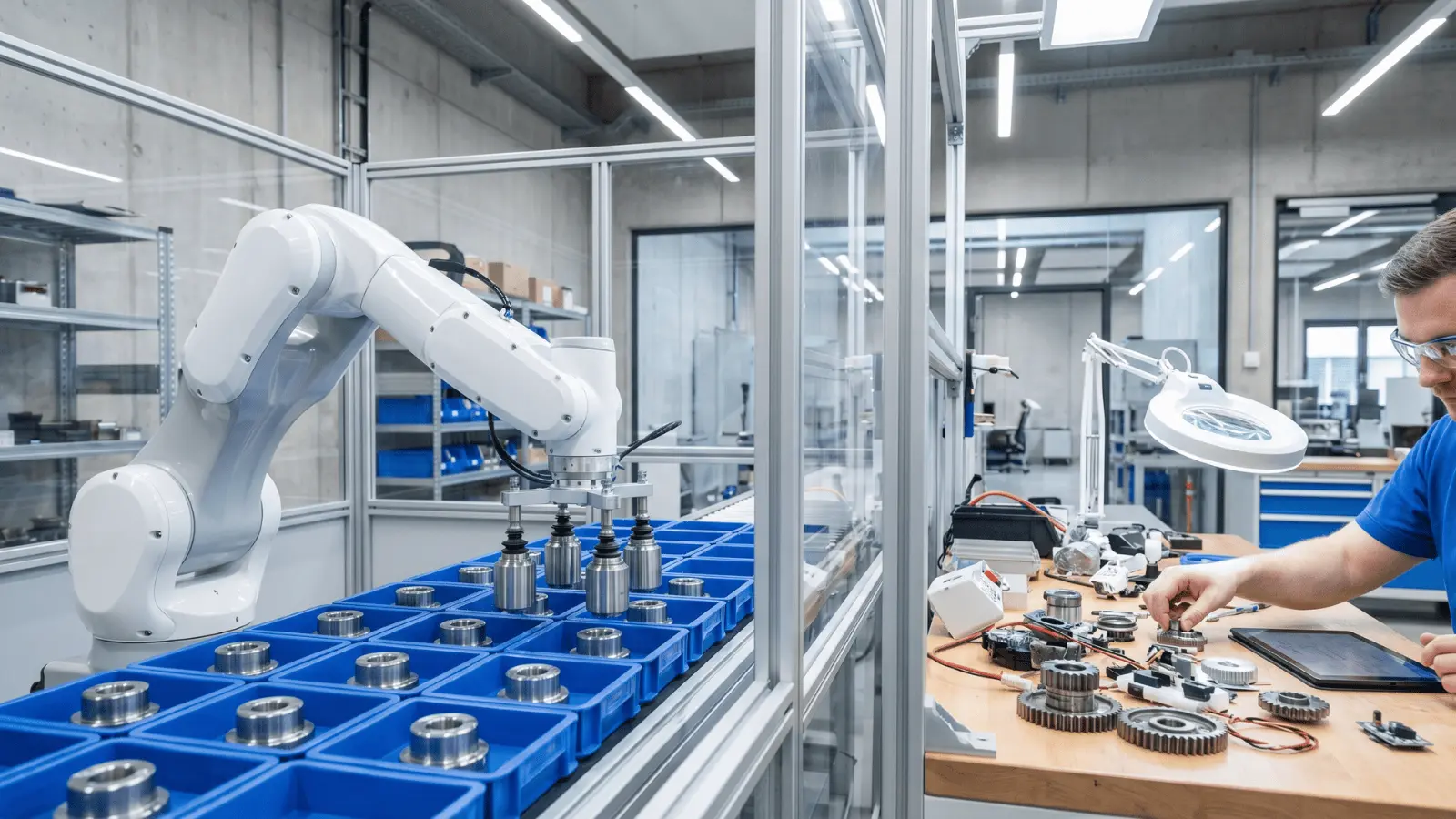
AI is genuinely powerful. It’s great at pattern recognition, handling repetition at scale, and processing huge amounts of data quickly.
But it has clear limits.
- Unpredictability breaks it. AI is trained on existing data. When situations fall outside that data, it fails.
- Processing isn’t the same as understanding. AI handles language and information, but it doesn’t grasp meaning the way humans do.
- Simulated empathy has a ceiling. AI can mirror emotional language, but it can’t genuinely connect with another person.
Here’s how these limits play out in practice:
Jobs in dynamic, real-world environments keep AI off-balance because the conditions keep changing.
Complex judgment under pressure adds another layer; ethical responsibility and incomplete information don’t fit neatly into a model.
And in deeply human-facing work, scripted responses fall short fast. People can feel the difference between a real response and a generated one.
There’s also a tipping point to be aware of. As jobs become more standardized and routine, they become easier to automate, even if they seemed safe before.
The real risk is when a job starts breaking down into predictable steps. Once that happens, AI can start chipping away at it piece by piece.
Core Traits That Make a Career AI-Resistant
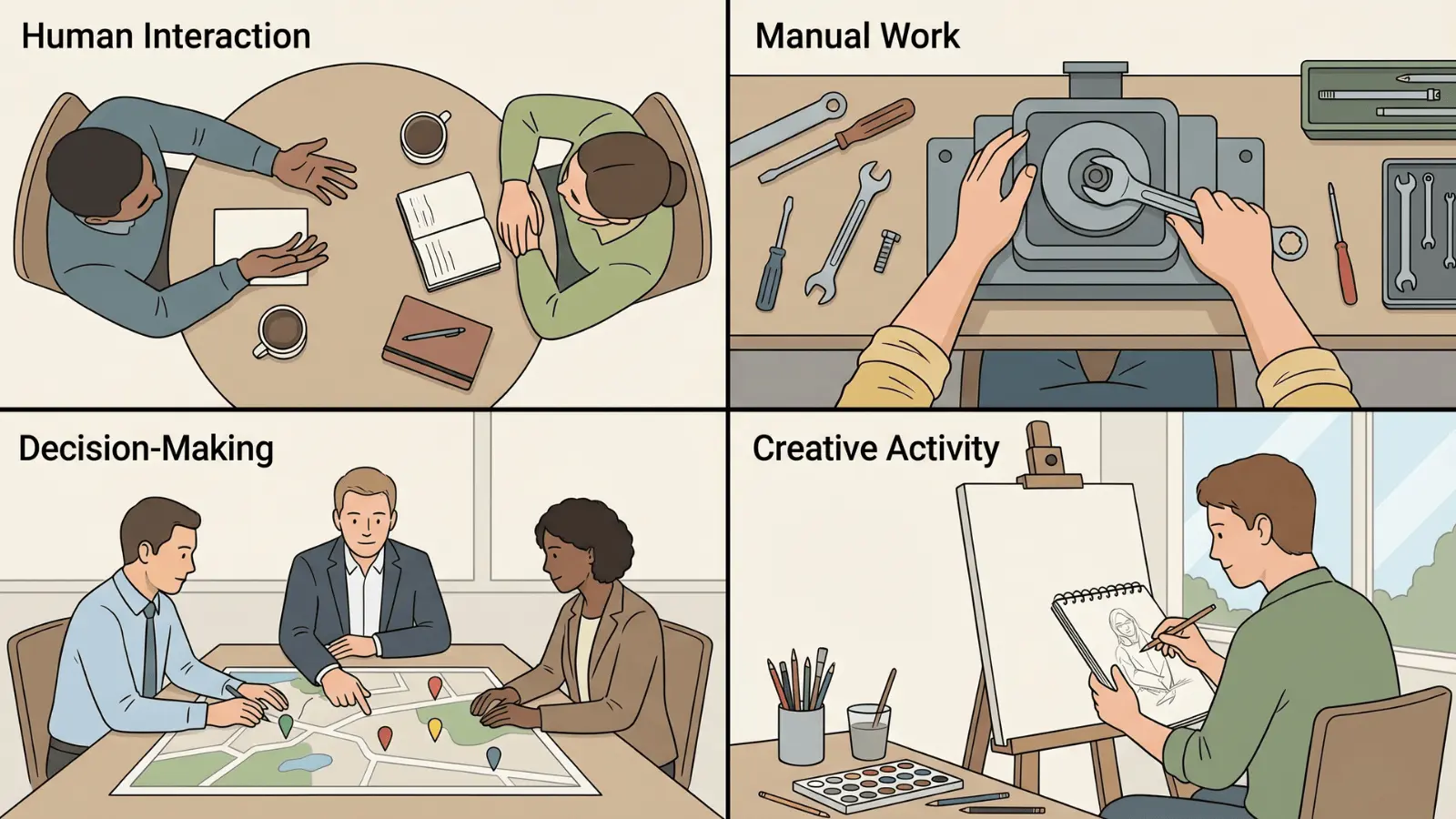
Not all jobs are built the same. Here are the structural traits that make certain careers harder for AI to replace.
High Emotional Intelligence and Human Interaction
Empathy, trust, and genuine communication are incredibly hard to automate. Human responses are variable.
Every person is different. Every conversation goes somewhere unexpected. AI works on predictability, it’s trained to expect certain inputs and produce certain outputs.
That breaks down the moment real human emotion enters the picture. A grieving patient, a frustrated client, a student struggling in silence, these situations require real connection, not a chatbot.
Where this fails: basic, scripted interactions, like simple customer support queries, can be handled by AI just fine. The more routine the conversation, the more automatable it becomes.
Physical Work in Unpredictable Environments
Robots are good in controlled settings like warehouses and assembly lines. Outside of that? They struggle.
The real world has infinite edge cases. A plumber doesn’t just replace pipes, they crawl into cramped spaces, work around old corroded fittings, and make judgment calls on the spot.
A robot can’t replicate that level of adaptability at scale yet. Where this fails: repetitive, modular physical tasks, like screwing the same bolt in the same spot on a factory line, are already being automated.
Complex Decision-Making and Accountability
High-stakes decisions resist automation because they involve incomplete data, ethical weight, and real consequences. An AI can flag a risk.
A human has to own the outcome. That accountability layer matters, legally, ethically, and practically.
Where this fails: rule-based decision systems, where the variables are fixed and the outcomes are clearly defined, are easy for AI to take over.
Creativity and Original Thinking
There’s a big difference between generating content and creating meaning. AI recombines existing data.
It doesn’t have intent. It can produce a song, but it doesn’t know why that song should exist. It can write a campaign, but it doesn’t understand the human tension behind it.
True creativity, the kind that involves original thought, cultural context, and purpose, is still deeply human.
Where this fails: formula-based creative work like templates, standard ad copy, or basic content generation is already in AI’s wheelhouse.
Major Categories of AI-Resistant Careers
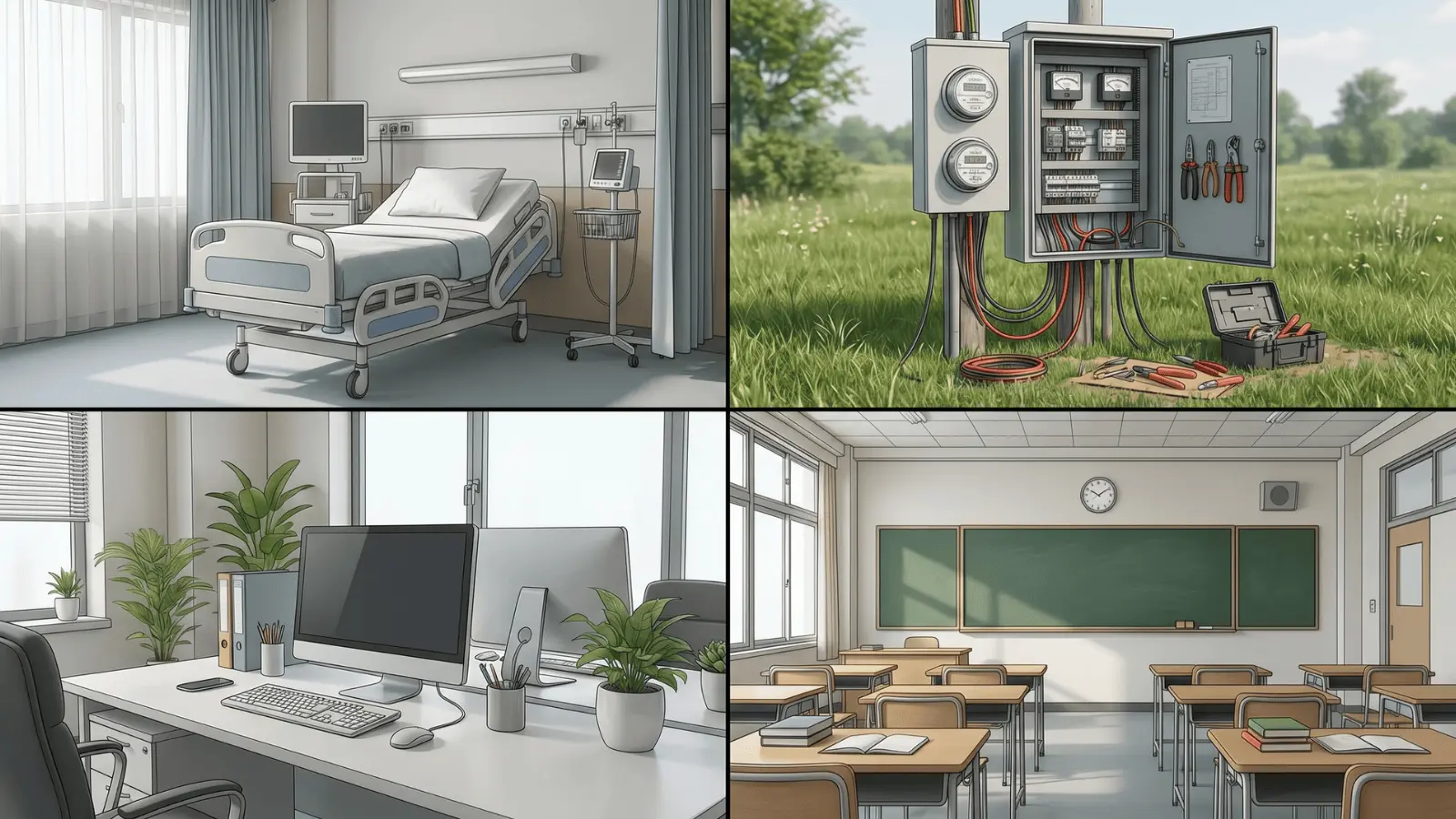
These traits map directly to real-world careers. Here’s how.
Healthcare and Care-Based Roles
Healthcare is one of the most AI-resistant fields because it combines all the hard traits: human trust, ethical decisions, and physical interaction.
Nurses, doctors, therapists, they deal with patient variability every single day. No two cases are the same. And people don’t just need treatment. They need to feel seen and cared for.
Nurse practitioners are projected to be the fastest-growing healthcare occupation through 2034, with the Bureau of Labor Statistics projecting 40% growth for nurse practitioners specifically over the decade; a signal of how much demand is pushing toward human-centered care.
Where it fails: diagnostic automation is already happening. AI reads X-rays and MRIs faster than most radiologists. Admin tasks in healthcare are also being rapidly automated.
Skilled Trades and Hands-On Work
Electricians, plumbers, HVAC technicians, and similar tradespeople work in non-standard environments that change with every job.
Every home is wired differently. Every pipe system has its own quirks. These jobs require manual precision, on-the-spot judgment, and real-world adaptability, all things robots still lack at scale.
Where it fails: repetitive or modular trade tasks in controlled environments, like certain construction assembly jobs, are increasingly being taken over by machines.
Technology and AI-Centric Roles
It might sound ironic, but AI is actually creating demand for humans who can build, manage, and secure it.
Cybersecurity professionals, AI engineers, and data scientists are in high demand precisely because AI systems need human oversight. The more AI expands, the more critical these roles become.
Information security analyst roles are projected to grow 29% by 2034, according to the Bureau of Labor Statistics, one of the fastest growth rates in any field.
Where it fails: low-level coding and routine development tasks are increasingly being handled by AI tools. If your job is writing repetitive boilerplate code, that’s already at risk.
Leadership, Strategy, and Education
Managing teams, setting strategy, and teaching people require something AI can’t replicate, human interpretation of complex, shifting situations.
Teaching deserves its own mention here. Educators adapt to how individual students learn, catch when someone is struggling before they say anything, and build the kind of trust that makes learning stick. AI can deliver information. It can’t motivate a disengaged student or notice that a kid has gone quiet. That gap is still very much human territory.
Where it fails: standardized training modules, admin-heavy roles, and structured HR tasks are already being streamlined with AI.
Where the “AI-Proof Careers” Idea Breaks Down
“Safe” is a moving target.
The careers that look most resistant today still have pressure points. Roles that are heavy on routine tasks, even inside “safe” fields, like admin work in healthcare or structured training in education, are being automated from the inside out faster than the core job itself.
The more accurate framing issafe for now, and that window keeps shrinking for some roles.
Here’s why:
- AI capability grows over time. Tasks that seemed impossible to automate five years ago are being automated today.
- Even complex jobs are made up of smaller tasks. As those smaller tasks become more standardized and routine, AI chips away at the role from the inside.
- The result isn’t always job loss, it’s often job transformation. The job still exists, but it looks different. Fewer people are needed. Different skills are required.
The safest mindset isn’t to find a job AI can’t touch. It’s to stay adaptable, keep building human-centric skills, and be willing to evolve with the role.
Examples Showing Why Some Jobs Resist AI Better
Let’s make this concrete with three comparisons:
Nurse vs. Data Entry Clerk: A nurse handles unpredictable patient needs, provides emotional support, and makes real-time care decisions. A data entry clerk inputs structured information into a system. One requires constant human judgment. The other is exactly what AI does best, fast, repetitive, rule-based processing. The outcome: data entry is largely automated. Nursing isn’t.
Electrician vs. Factory Worker: An electrician troubleshoots live systems in homes and commercial buildings, every job site is different. A factory worker on a fixed assembly line does the same action repeatedly in a controlled environment. One thrives in unpredictability. The other exists in the most automation-friendly conditions possible.
Cybersecurity Analyst vs. Basic Coder: A cybersecurity analyst responds to threats in real time, often with incomplete information and zero margin for error. A basic coder writing repetitive logic follows predictable patterns. Adaptive defense under pressure resists automation. Repeatable logic does not.
Quick Summary of What Makes a Job AI-Resistant
Here’s the core takeaway, jobs hold up better against AI when they require:
- Human interaction: real empathy, trust, and communication
- Physical adaptability: working in unpredictable, real-world environments
- Complex judgment: high-stakes decisions with ethical weight
- Original thinking: creating meaning, not just generating content
AI replaces tasks, not entire careers. Most jobs will evolve, some parts will be automated, others will become more important.
The real competitive edge isn’t picking the “right” job title. It’s building the kind of skills that AI still can’t replicate, and staying adaptable as the landscape keeps shifting.
Conclusion
AI isn’t here to wipe out all jobs, but it is reshaping them fast. The careers that hold up best, the ones that come closest to being AI-proof careers, share a few key traits: human connection, physical adaptability, complex judgment, and real creativity.
No role is completely safe, but many are far more resistant than people think. The key is understanding why a job resists automation, not just assuming it always will.
Stay adaptable, keep sharpening your human-first skills, and focus on the parts of your work that AI genuinely can’t replace. Want to future-proof your career? Start by understanding where you already have the edge.
Frequently Asked Questions
What does “AI-proof” mean?
“AI-proof” is a misnomer. No job is completely immune to AI. Instead, some jobs are more AI-resistant, where AI can assist but humans still remain essential.
Which careers are most resistant to AI?
Careers requiring high emotional intelligence, physical adaptability, complex judgment, and original thinking are harder for AI to replace. These include healthcare, skilled trades, and creative roles.
How does AI impact jobs in healthcare?
AI in healthcare is used for diagnostics and administrative tasks, but roles requiring human empathy and judgment, like nurses and doctors, remain AI-resistant due to the unpredictable nature of patient care.
Can AI fully replace jobs in creative fields?
AI can generate content but lacks true creativity and understanding. Jobs that require original thought, cultural context, and human intention in creative work are still primarily human-driven.