


Skill-based gaming sounds more complicated than it really is. Essentially, it describes games where the choices you make can affect how well you do. Chance may still be involved, but you’re not simply waiting to see what happens.
Poker is an obvious example of a skill-based game: you can’t choose the cards you’re dealt, but you get to decide what to do with them. And as you play more often, you may get better at recognizing when a hand is worth pursuing and when you’re better off folding.
When you’re playing online, though, there’s another side to the experience that doesn’t have much to do with what happens at the table: your account can hold personal information and money, so how you access it plays a part as well.
What Counts as a Skill-Based Game
The easiest way to understand skill-based gaming is to think about what changes as you become more experienced. A new player might concentrate almost entirely on their own cards, but once you’ve played for longer, you’re more likely to consider what other players are doing and whether the risks you’re taking make sense.
That’s not to say that an experienced player will always win. After all, chance is still part of poker, and a good decision doesn’t guarantee a good result every time. But with online poker, you’re making decisions throughout the game, and experience can change how you approach them.
Your Poker Account Needs Protecting Too
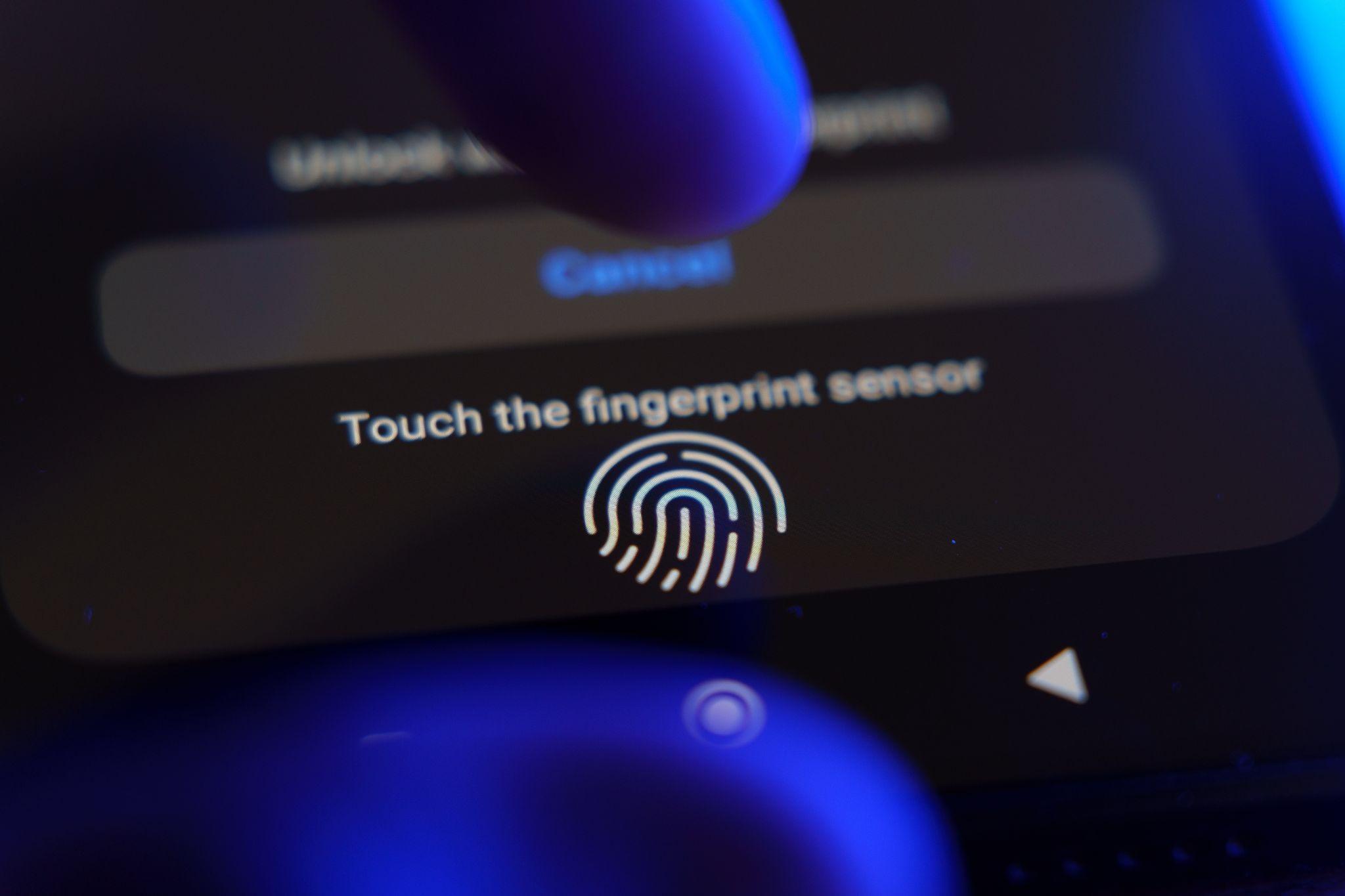
If you’ve got money sitting in a poker account, you don’t want somebody else getting into it after they’ve managed to obtain your password. Depending on the platform, your account may be connected to payment information, withdrawals and details used to verify who you are; this is why secure access has become more important as gaming has moved onto phones and other personal devices. Fingerprint and facial recognition are also a huge part of that change, particularly since many players already use the same technology to unlock their phones.
But rather than having to remember yet another password every time you want to play, your device can help confirm that the person opening the account is actually you. If you already use Face ID, Touch ID or a similar feature on your phone, biometric login on a gaming app will be familiar to you. If your device is compatible with the technology, it’ll be able to create a protected biometric template rather than simply keeping a photograph of your face or fingerprint. So when you try to log in later, the new scan will be checked against that information.
A poker platform can use this technology when you first open your account, and then again later to confirm your identity when you want to change sensitive account information or request a withdrawal. The benefit here isn’t only that you can get into your account a little faster, but that you get to put an additional check in place for sensitive actions.
With that said, facial or fingerprint recognition aren’t a replacement for passwords, even though they’re more convenient (and particularly when tapping a finger against your phone is easier than remembering another password). In practice, biometrics and passwords both protect you in different ways. Your password helps secure the account itself, while a biometric check can make it harder for somebody else to access it through your device. Two-factor authentication may also come into play if there’s an unusual login attempt.
What’s important here is that you’re not relying entirely on one method. If somebody learns your password, there should ideally still be something stopping them from simply signing in and taking control of the account.
Check What Happens to Your Biometric Information

Convenience shouldn’t be the only reason you switch biometric login on, though. Before using it, check how the platform handles the feature and whether your biometric information remains on your device. With many mainstream systems, the stored template will stay within a protected part of the device rather than being sent to the company each time you sign in. Even so, it’s worth reading the platform’s own explanation rather than assuming every service works in exactly the same way.
You should also know how you’ll get back into the account if your facial or fingerprint recognition fails. Poor lighting or a fingerprint reader that isn’t cooperating can be enough to cause problems, so you need to have a secure alternative.
The Game Isn’t the Only Place Your Decisions Count
Skill-based gaming gives players more involvement in what happens once a game begins. With poker, experience can change how you approach a hand even though it can never tell you exactly which cards will appear next.
But when you’re playing through an account, you also need to decide how you’re going to protect it. Fingerprint and facial recognition can make everyday access easier while adding another barrier against somebody who shouldn’t be there. If you’re going to use either one, understanding how the platform handles that information is just as important as switching the feature on.