
If you work around propane forklifts, you already know how quickly a small fuel-system issue can turn a smooth shift into an expensive headache. With roughly 1.5 million workers estimated to operate powered industrial trucks in the U.S., reliable equipment performance has implications for both productivity and workplace safety.
OSHA has also reported that powered industrial forklifts, trucks, and tractors were associated with an average of 11,857 lost-workday injuries annually from 2014 through 2016, illustrating the importance of properly operating and maintaining this equipment. One component that quietly carries a lot of responsibility is the propane regulator. It reduces high fuel pressure and helps deliver propane at the pressure required by the engine, supporting consistent combustion and performance.
What a Propane Regulator Actually Does on A Forklift
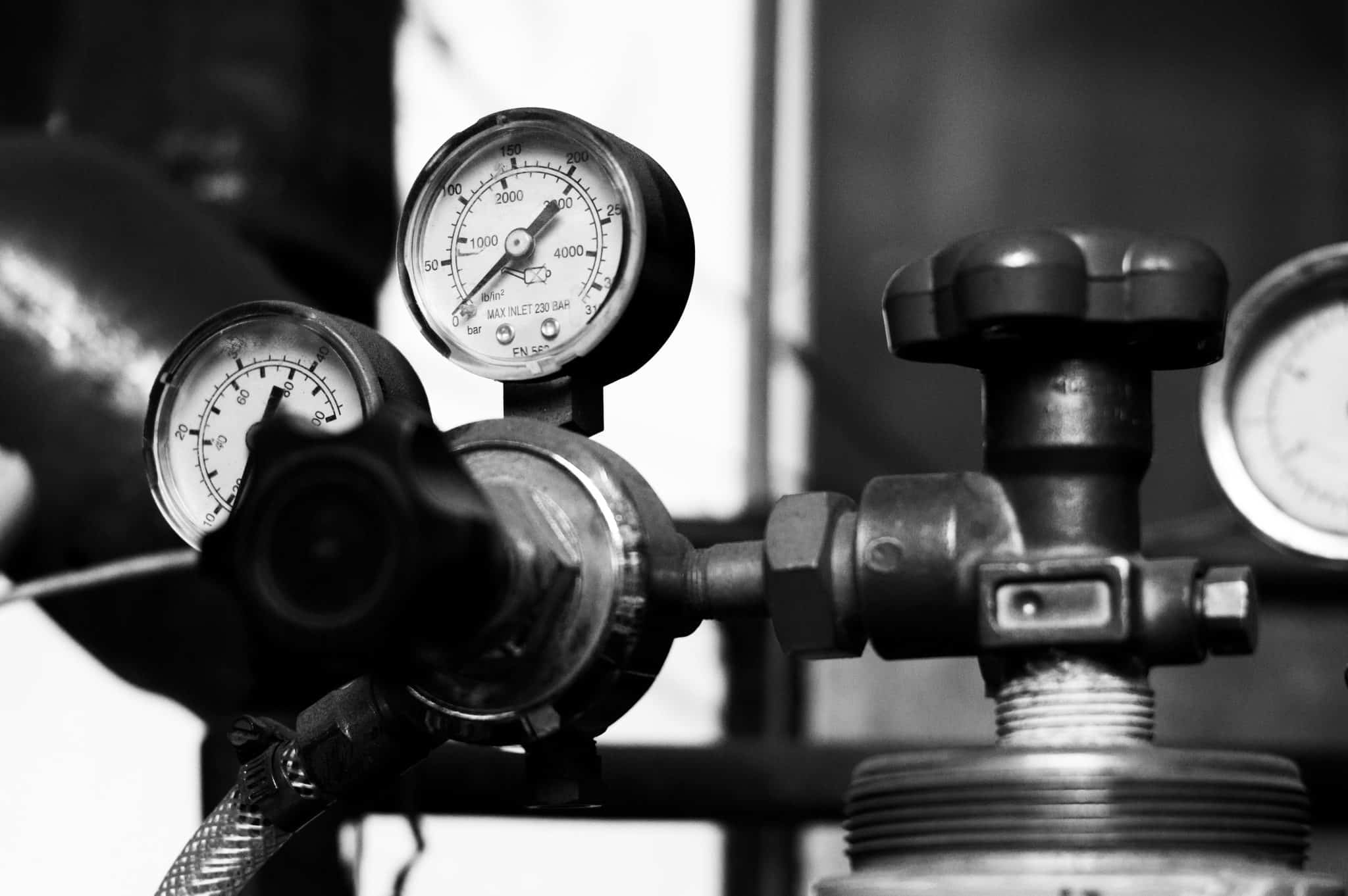
A propane forklift doesn’t just pull fuel from the tank and burn it directly. The fuel has to be controlled carefully, and that’s where the regulator steps in. Its job is to reduce tank pressure and convert propane into a usable vapor flow for the engine.
If that sounds technical, think of it in practical terms: your forklift engine needs the right amount of fuel at the right pressure, or it starts acting temperamental. You may notice rough idling, sluggish acceleration, hard starts, or stalling at the worst possible moment.
On many warehouse trucks, the Impco model J serves as that fuel-control component. It’s designed for specific lift truck applications, so it isn’t just a random part number tossed into the catalog abyss. It directly supports how the engine receives propane under varying load conditions.
Why Stable Fuel Delivery Affects More than Engine Power
It’s easy to assume the regulator only matters when the engine won’t run. In reality, fuel regulation shapes overall forklift behavior throughout the day. If propane flow is inconsistent, the engine may still run, but not well.
That can show up as delayed throttle response when you’re moving pallets, inconsistent lift performance under load, or extra emissions that make indoor operation less pleasant. In busy facilities, small performance dips stack up fast. One truck running poorly can slow an entire picking or shipping rhythm.
There’s also a cost angle. Poor fuel control can increase propane consumption, lead to incomplete combustion, and put added stress on related components. Suddenly, one neglected regulator issue becomes a maintenance domino effect. Nobody enjoys paying for a problem that started as a simple pressure-control fault, especially when the truck was waving red flags the whole time.
Common Signs Your Regulator May Be Causing Trouble
You don’t need to be a senior technician to catch early symptoms. A forklift usually gives you clues before the regulator fully taps out. The key is paying attention to patterns, not brushing them off as “just one of those days.”
Watch for signs like:
– Hard starting, especially after the truck has been sitting
– Stalling during idle or low-speed operation
– Hesitation when you press the accelerator
– Noticeable loss of power under load
– Fuel odor near the engine area
– Frost buildup or visible wear around fuel-system components
– Irregular engine performance that comes and goes
Some of these symptoms can overlap with other fuel or ignition issues, so diagnosis matters. Still, the regulator deserves a close look when propane delivery feels inconsistent. Forklifts rarely become unreliable out of nowhere. Usually, they’ve been dropping hints for a while.
How This Part Fits Into Real Maintenance Decisions
When you’re maintaining a propane forklift fleet, replacement decisions usually come down to uptime, safety, and fitment. A regulator isn’t the flashiest component on the truck, yet it can decide whether a shift stays on schedule or derails by 9:15 a.m.
That makes part matching important. You want a regulator that aligns with the truck’s make and model requirements, not something that is “close enough” in theory. In material handling, “close enough” has an impressive talent for becoming expensive.
You should also think about service history. If a truck has repeated starting or fuel-delivery problems, replacing a worn regulator may save more money than repeated troubleshooting and partial repairs. Labor hours add up quickly, and recurring downtime tends to annoy operators, supervisors, and accounting in equal measure.
Why Compatibility Matters for Hyster, Nissan, Toyota, and Yale Forklifts
Forklift fleets are often mixed, especially in larger warehouses, distribution centers, and manufacturing sites. You might have Hyster in one aisle, Toyota at the docks, and Yale doing support work in another corner of the building. That variety makes compatibility a serious issue.
A regulator made for certain Hyster, Nissan, Toyota, and Yale applications helps reduce guesswork. It gives you a clearer path when replacing a failed unit on equipment that needs dependable propane vapor regulation.
That matters because forklift engines are tuned around specific fuel-system behavior. Even if two regulators look similar, differences in configuration or application can affect performance. The result might be poor drivability, inefficient combustion, or installation problems that waste time in the shop.
When you’re sourcing parts, always verify the truck model and system requirements first. A few extra minutes of checking can spare you a long afternoon of mechanical regret.
What to Consider Before Buying a Replacement Regulator
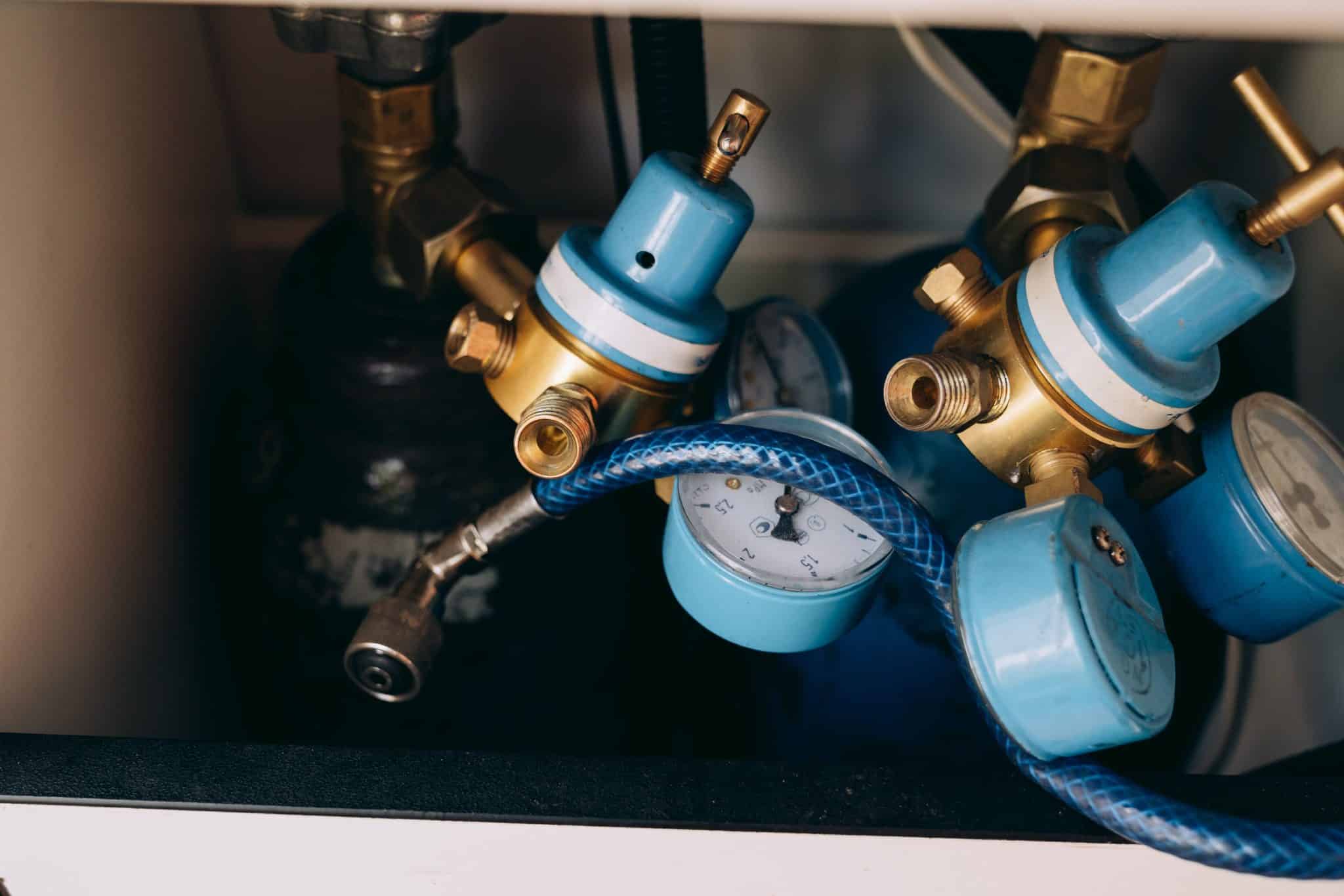
Before ordering a replacement, take a step back and look at the full situation. The goal isn’t just to swap parts quickly. It’s to solve the actual performance issue and avoid repeat failures.
Start with these checkpoints:
– Confirm the forklift’s exact make, model, and fuel-system setup
– Review symptoms and rule out ignition or vacuum-related problems
– Inspect surrounding hoses, fittings, and connectors for wear
– Check for contamination or damage affecting fuel flow
– Compare the replacement part to the existing unit for proper fitment
– Consider whether the truck’s maintenance history points to broader fuel-system wear
It also helps to buy from a supplier familiar with lift truck components rather than general-purpose parts sources. Forklift applications have their own quirks, and those quirks tend to show up at the least convenient time.
Practical Ways to Extend Regulator Life and Reduce Downtime
No regulator lasts forever, but you can help it last longer with better maintenance habits. Most fuel-system failures don’t happen in total isolation. They build from wear, contamination, neglected inspections, or heat-related stress over time.
A few smart practices go a long way:
– Inspect propane system components during regular service intervals
– Replace damaged hoses and seals promptly
– Keep the engine properly tuned to reduce fuel-system strain
– Train operators to report hard starts or power loss early
– Avoid delaying repairs when symptoms first appear
– Maintain clean service records so recurring issues are easier to spot
If you manage multiple trucks, trend tracking helps even more. When one unit starts showing repeated fuel issues, compare it with similar trucks in the fleet. Patterns often reveal whether you’re dealing with normal wear, operator habits, or a component beginning to age out.
If your propane forklift depends on clean, stable fuel delivery, the regulator isn’t a side character. It’s one of the parts quietly keeping the whole machine cooperative. When it starts failing, performance, efficiency, and uptime can all take a hit.
A forklift that starts cleanly, runs smoothly, and handles loads without drama makes every shift easier. Mechanical peace and quiet may not sound exciting, but in fleet maintenance, it’s basically poetry.