
Ask which robot vacuum is best and you will get a hundred confident answers, most of them contradicting each other. That is because the question is incomplete. A machine that is perfect for a small apartment with tile floors can be the wrong choice for a multi-level house with deep carpet and two shedding dogs. The useful question is not which robot vacuum is best overall, but which one fits the way your home is actually built and lived in.
Key Takeaways
- Floor type, home size, layout, and pets matter more than any overall ranking.
- Carpet and hard floors reward different brush and suction designs.
- Multi-level homes and complex layouts put a premium on mapping and battery life.
- Pet households have specific needs that general-purpose machines often miss.
Start With Your Floors
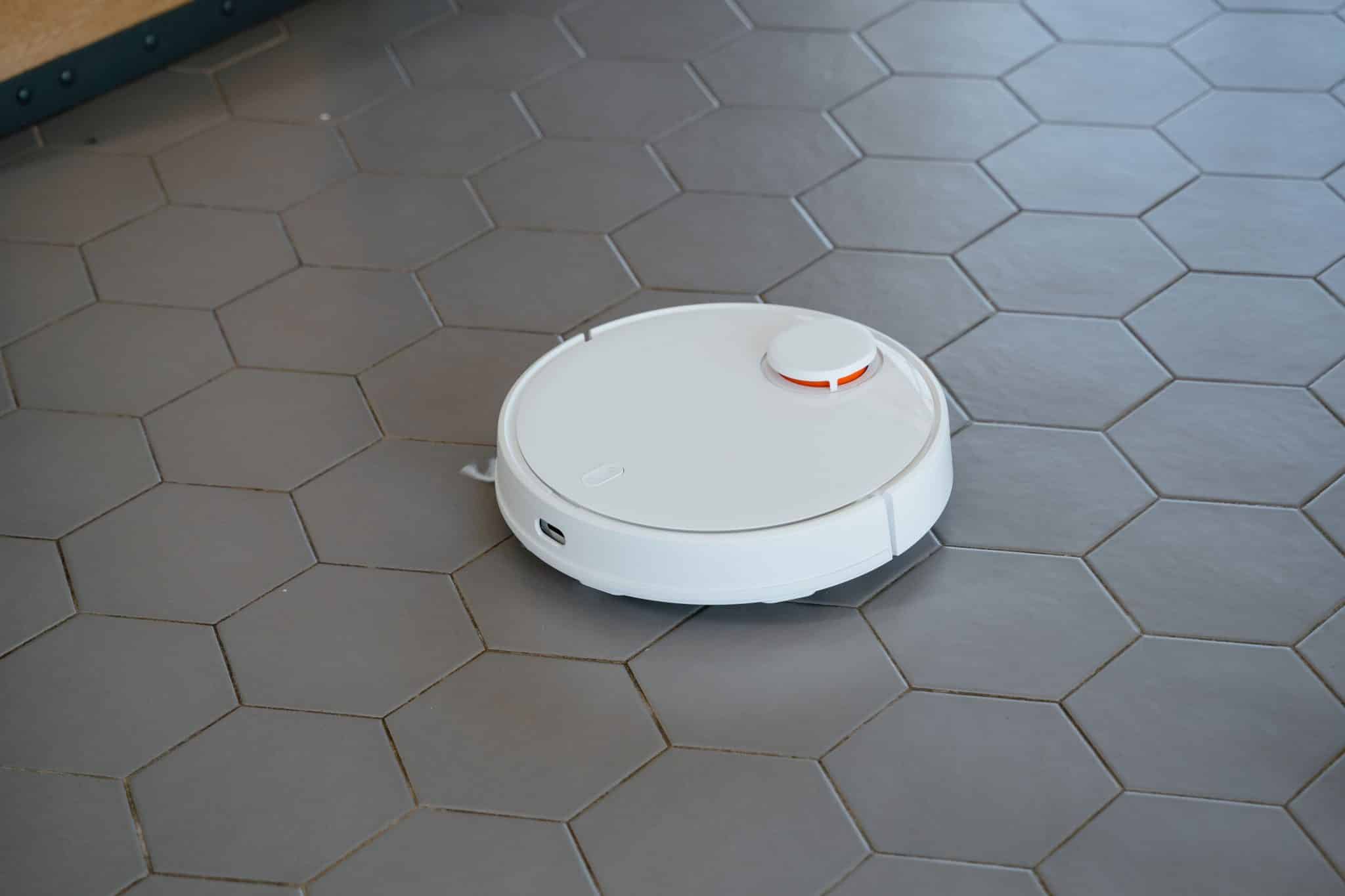
Before anything else, look down. The surface you clean most decides which features matter. Deep or high-pile carpet needs strong suction and a brush roll that digs in, while hard floors are better served by gentler brushes and often a mopping function. Homes that mix both want a machine that adjusts suction by surface and lifts or keeps a mop pad off the rug. Buying a carpet-optimised machine for a tile home, or the reverse, is the most common mismatch of all.
Then Factor in Size and Layout
Once floors are settled, the size and shape of your home change the requirements.
Small, single-level homes
A compact apartment forgives a lot. Battery life and advanced mapping matter less when there is little ground to cover, so simpler machines perform well and the budget can go toward cleaning quality instead of navigation features you will not use.
Large or multi-level homes
Bigger footprints raise the stakes on battery life, recharge-and-resume behaviour, and multi-floor mapping. A machine that cannot store maps of more than one level, or that runs flat before finishing, becomes a daily annoyance in a large house. For a fuller sense of how the right choice shifts across property types, a guide to the best robot vacuum for every home type is a sensible place to start before you narrow down to specific models.
Account for Pets
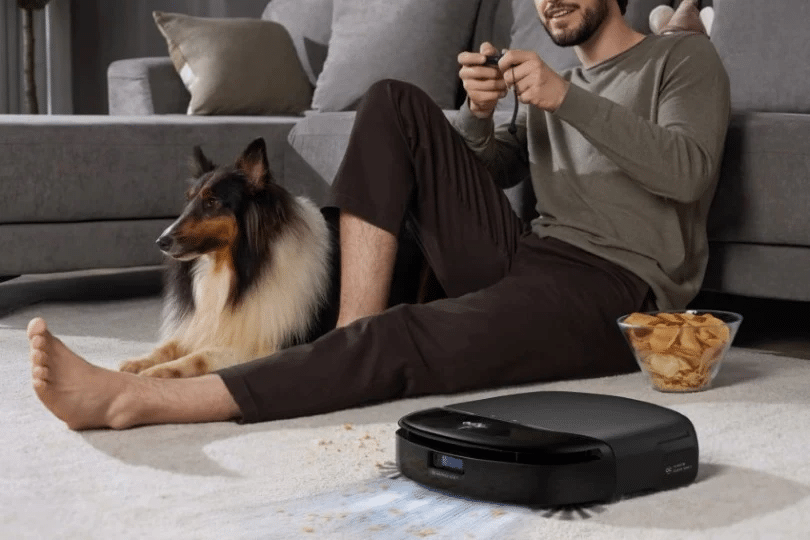
A shedding cat or dog changes the calculation entirely. Pet homes need tangle-resistant brushes, sealed filtration to contain dander, and enough bin capacity to handle the volume of hair without constant emptying. Because those needs are specific, it is worth consulting advice aimed squarely at animal households, such as a roundup of the best robot vacuum cleaner for pet hair, rather than assuming a general-purpose model will cope. The wrong machine in a pet home rarely fails dramatically. It just quietly does a mediocre job and clogs often.
Consider Who Else Lives There
Beyond floors and pets, the people matter. Allergy sufferers benefit most from sealed, high-grade filtration that traps fine particles rather than recirculating them. Homes with small children or everyday clutter want reliable obstacle avoidance so the machine does not scatter toys or choke on a stray sock. Busy households value scheduling and hands-off docks more than any single cleaning specification.
Buy for Your Home, Not the Rankings
The best robot vacuum is a personal answer, not a universal one. Start from your floors, weigh your home’s size and layout, account honestly for pets and the people you live with, and only then compare specific models. A machine chosen against those realities will outperform a higher-rated one bought on reputation alone. The goal is not to own the most celebrated robot on the market, but the one that disappears into your routine because it simply suits your home.